 SENJIE Healthy & Technology
SENJIE Healthy & Technology
SENJIE Healthy & Technology
Engineered with ultra-lightweight medical-grade titanium and high-grade surgical stainless steel, these instruments satisfy the intensive sterilization cycles and clinical precision standards demanded by public hospitals and private clinical systems throughout Chile.
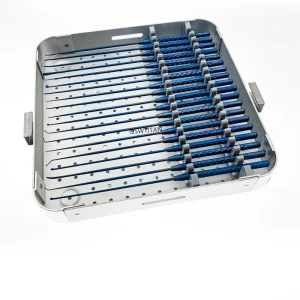
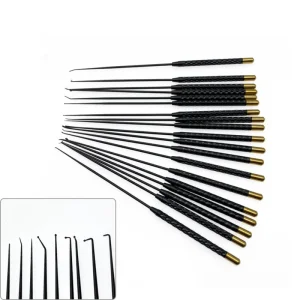
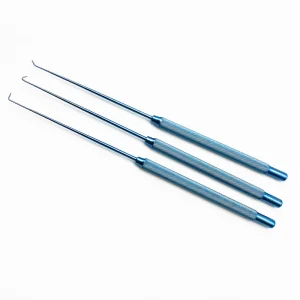
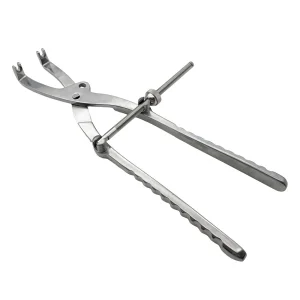
The healthcare sector in Chile, structured through the dual systems of FONASA (Fondo Nacional de Salud) and ISAPRE (Instituciones de Salud Previsional), has experienced a rapid transition toward high-complexity tertiary healthcare procedures. Complex neurosurgical treatments, spine stabilization, reconstructive orthopedics, and delicate vascular surgeries are increasingly performed across regional administrative hubs, from Santiago Metropolitan Area to Antofagasta, Valparaíso, and Concepción. This expansion places strict technical requirements on surgical tools, specifically requiring high-precision Spatulas and Nerve Hooks capable of delivering micro-accuracy under surgical microscopes.
"Chilean clinical networks demand surgical instrumentation that meets international regulatory compliance such as CE marking, FDA registration, and compatibility with the local regulatory approval protocols overseen by the Instituto de Salud Pública (ISP). High-turnover operating theaters in hospitals like Hospital San Juan de Dios or Hospital Clínico Universidad de Chile require surgical spatulas and nerve hooks that maintain mechanical integrity and corrosion resistance over thousands of autoclave cycles."
Historically, Chilean medical distributors sourced high-cost instruments from traditional European manufacturers. However, global shifts in supply chain dynamics, paired with advanced manufacturing upgrades in China, have created a strong demand for direct, OEM-partnered procurement. Today, clinical procurers in Chile prioritize suppliers capable of offering premium raw materials—such as biocompatible Grade 5 Titanium (Ti-6Al-4V) and electro-passivated 316LVM Surgical Stainless Steel—which deliver the exact tensile strength, flexibility, and non-glare properties required for microvascular and neurological procedures.
Selecting the appropriate alloy for surgical spatulas and hooks directly affects patient safety, operational success, and the lifespan of the instrument. When manufacturing surgical instruments for distribution in the Chilean market, we apply strict metallurgical controls matching international standards:
Highly preferred for neurosurgical micro-spatulas. It is non-magnetic, making it fully compatible with intraoperative MRI (iMRI) environments. Its elasticity closely mimics human bone, reducing the risk of accidental tissue puncture.
Our instruments undergo strict chemical passivation treatments to build a stable chromium oxide layer. This prevents pitting, crevice corrosion, and rust under exposure to bodily fluids and chemical sterilants.
Custom heat-treating processes ensure our orthopedic pelvis and tibial reduction forceps maintain their alignment and gripping force under significant structural loads without material fatigue.
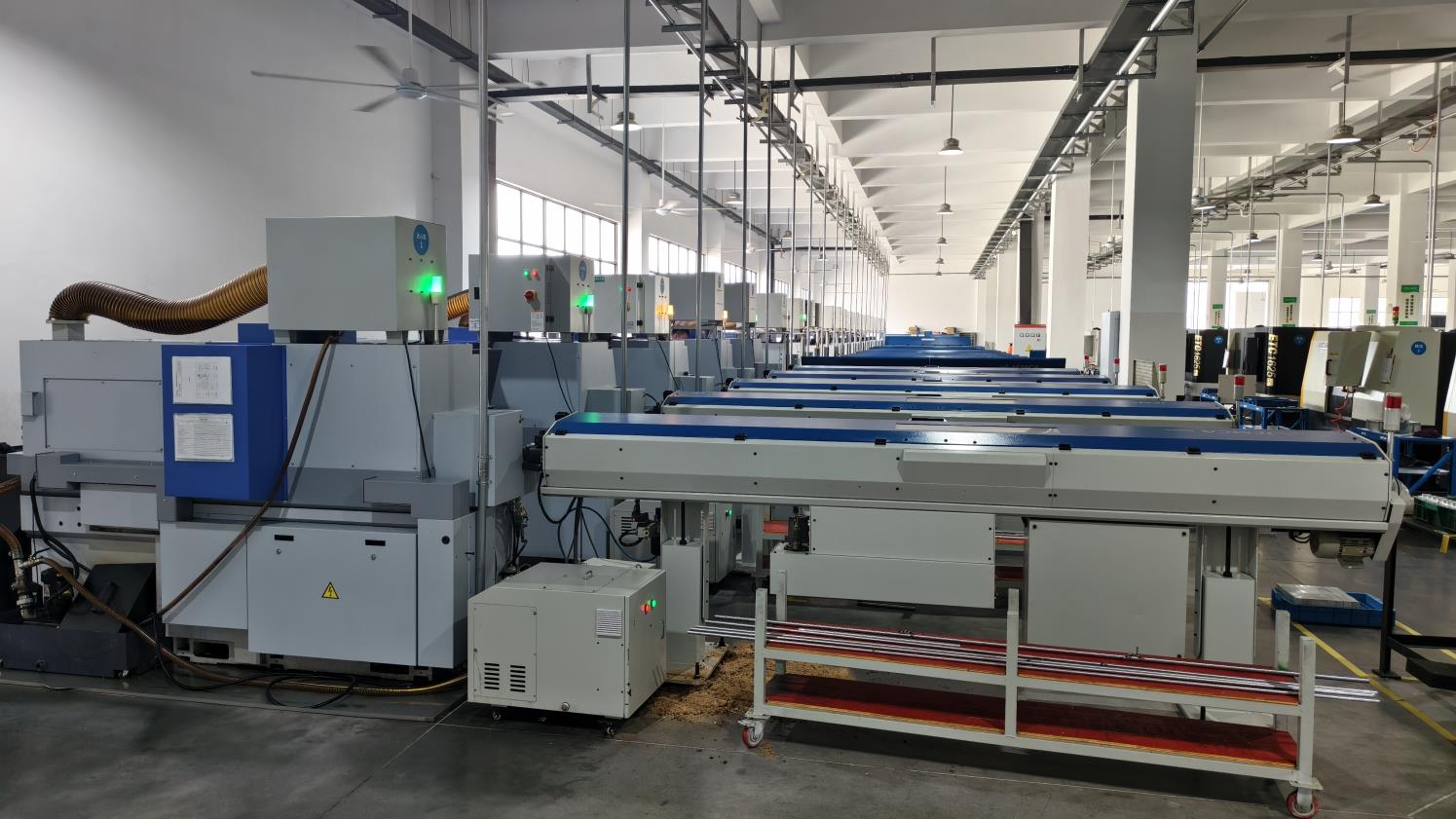
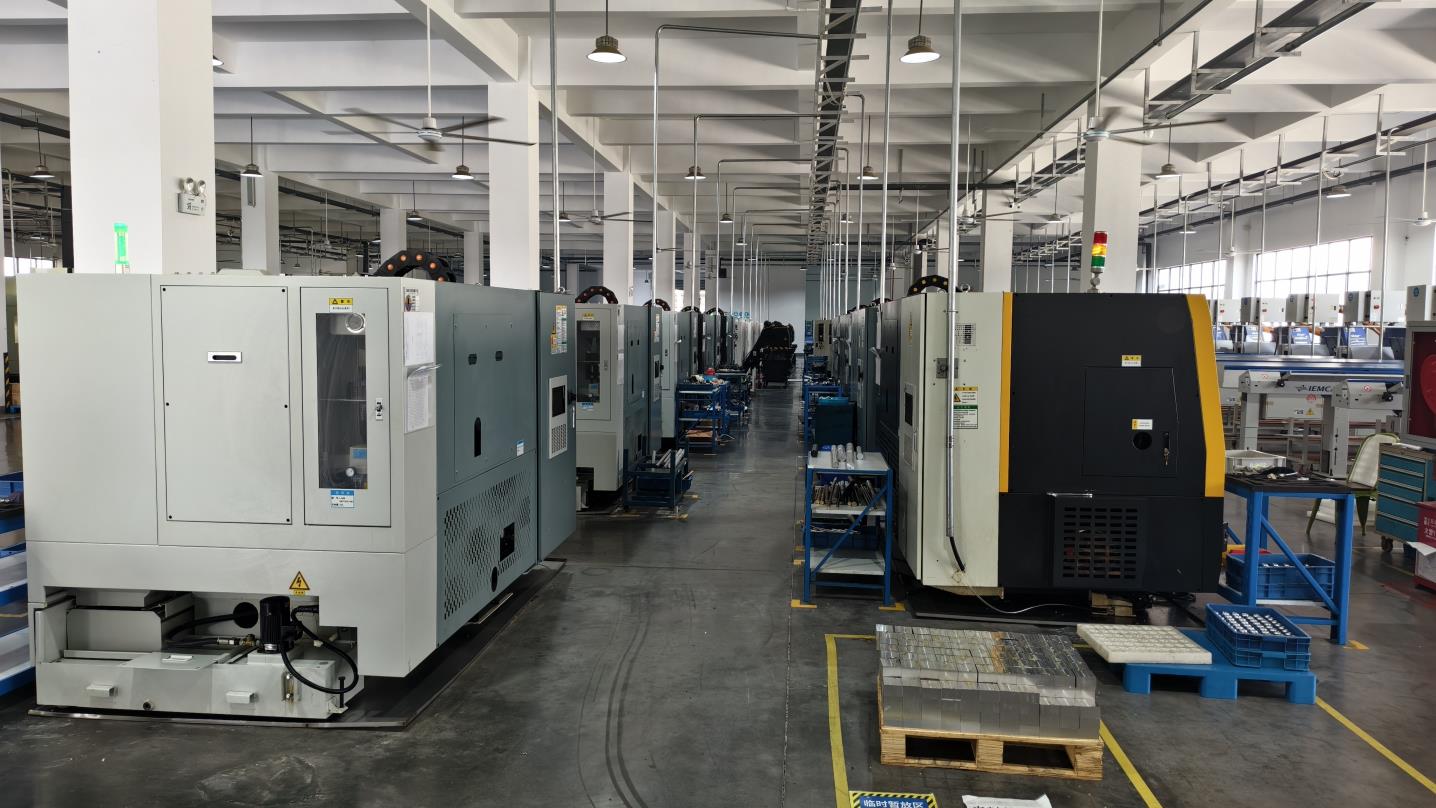
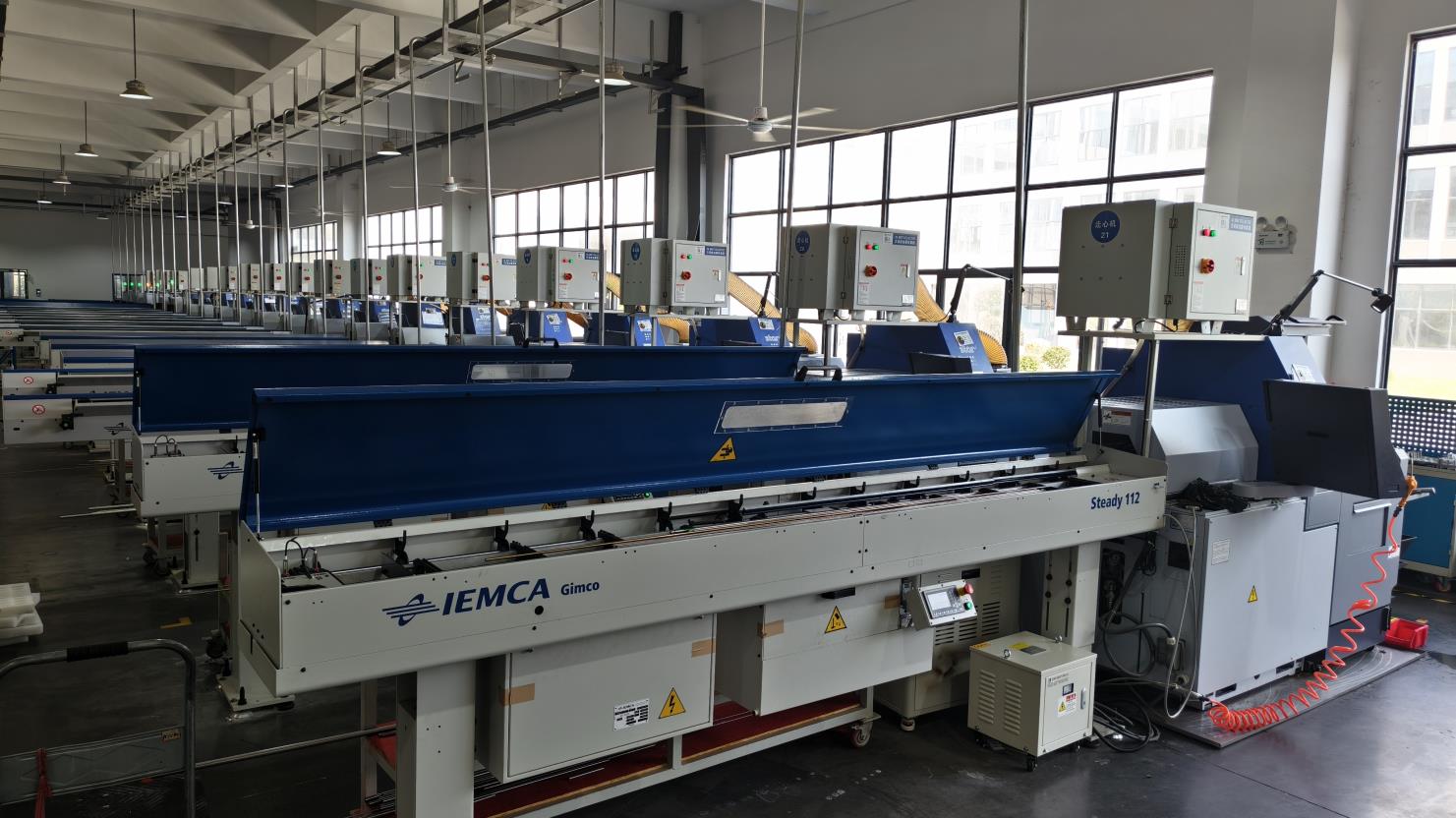
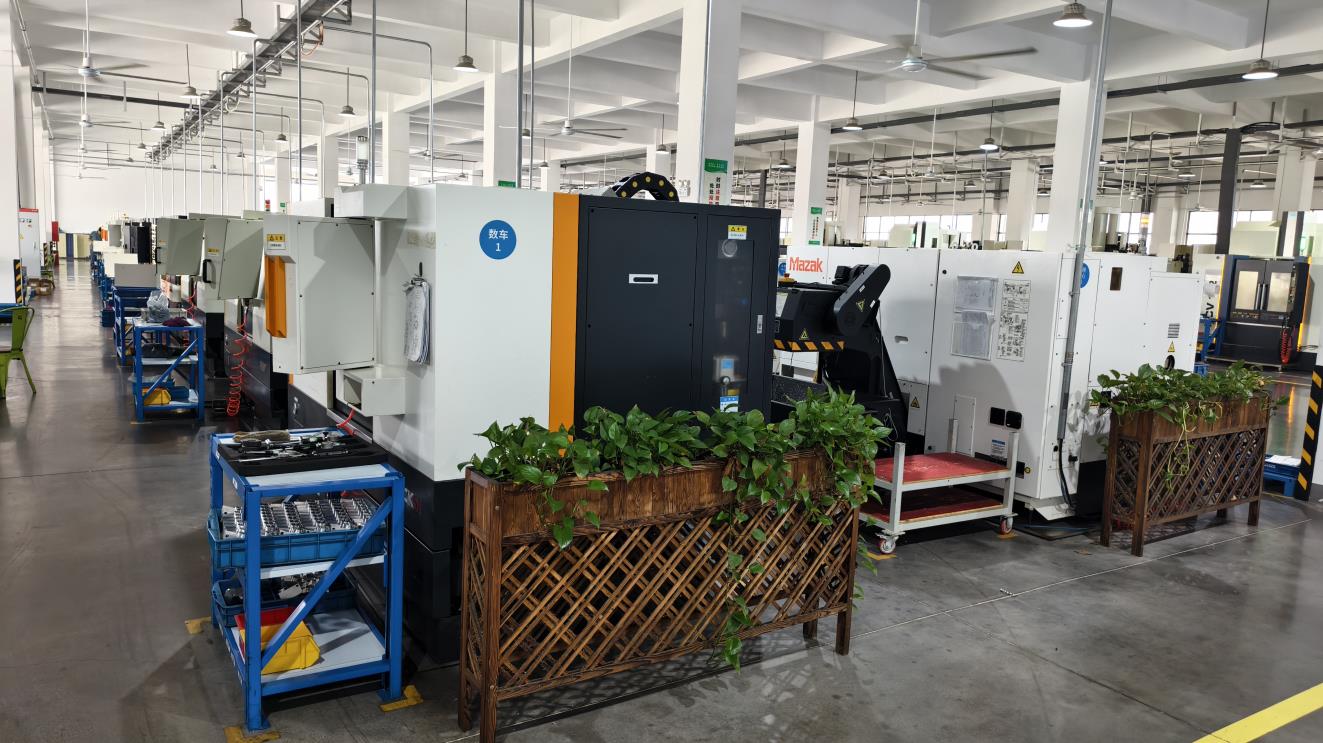
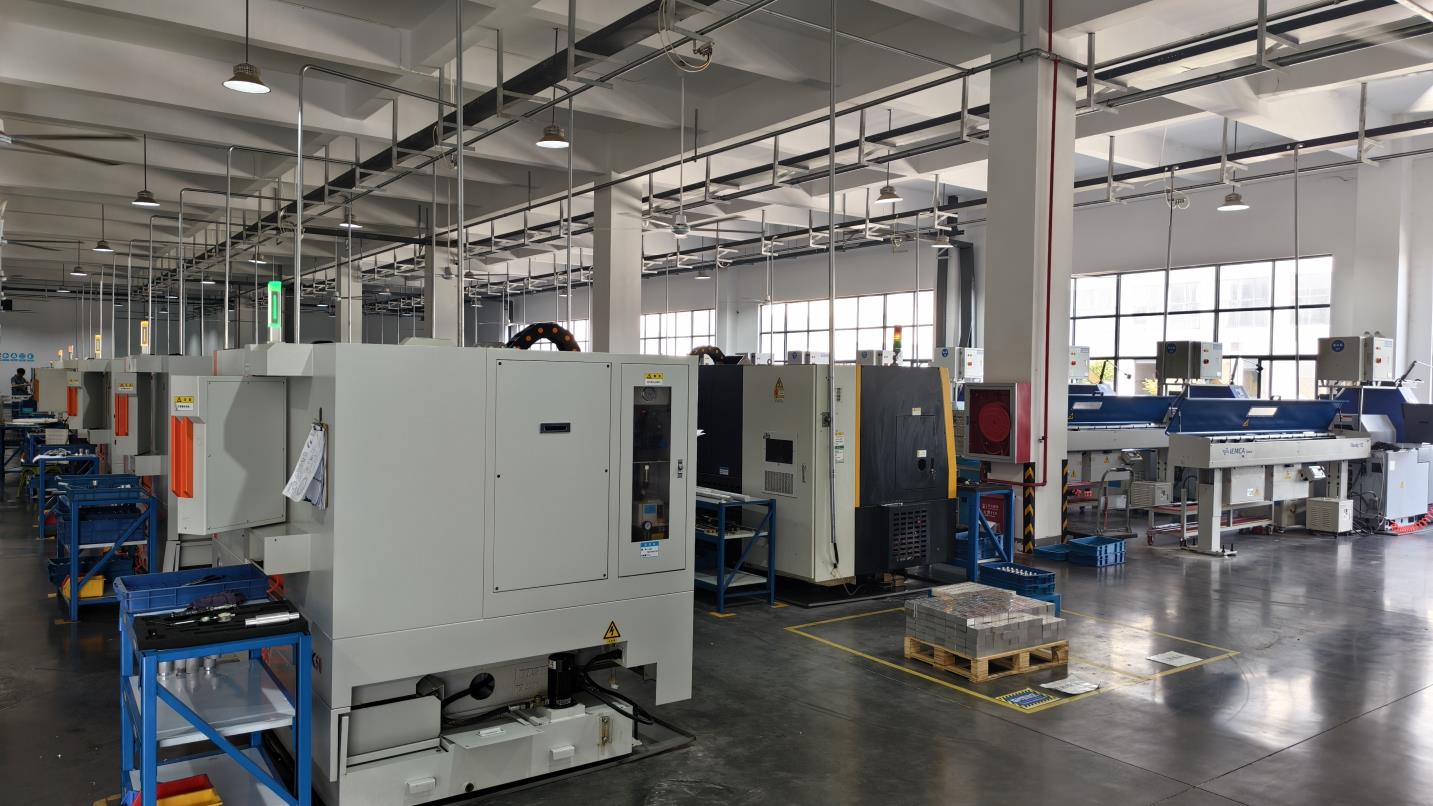
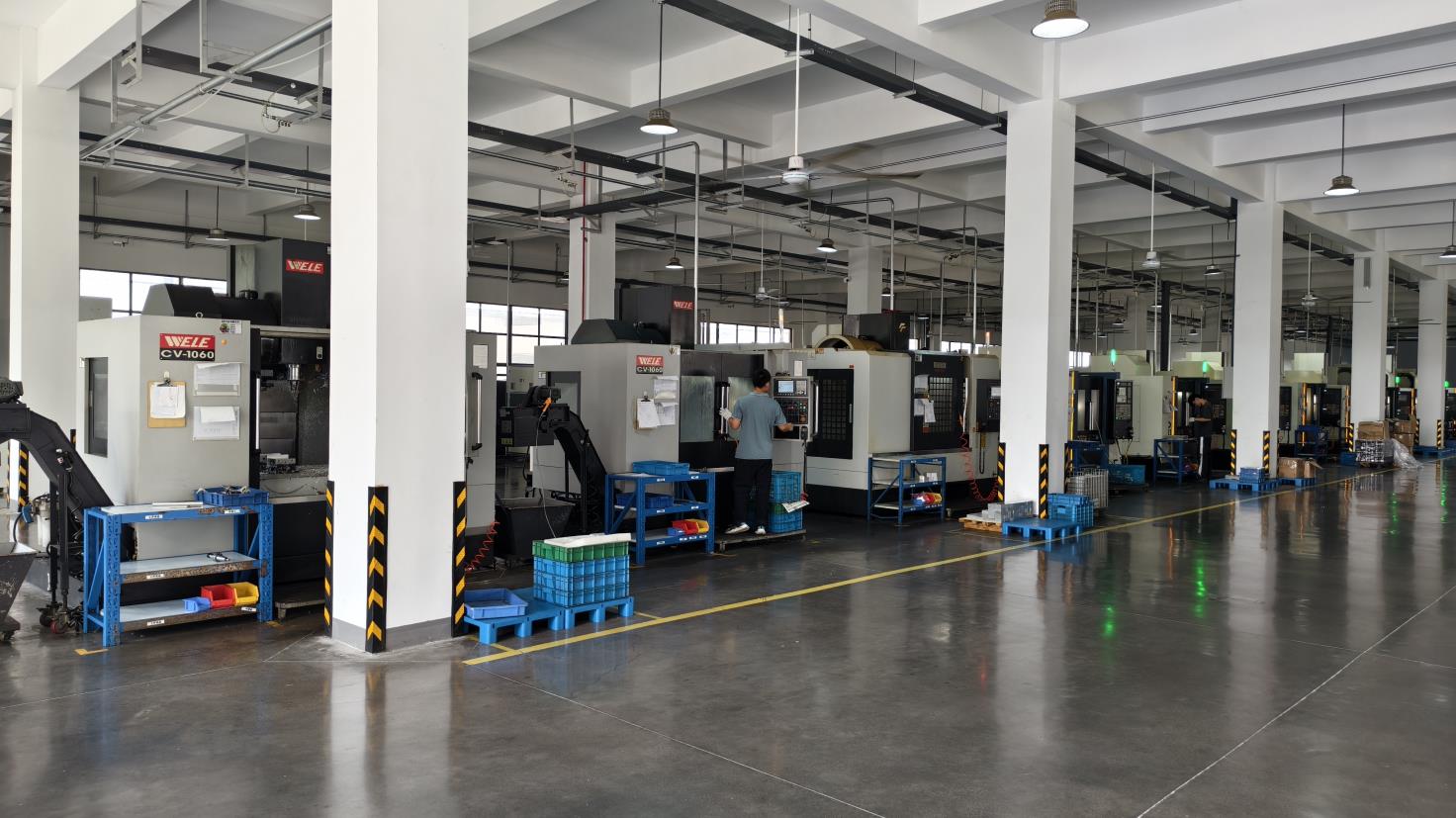
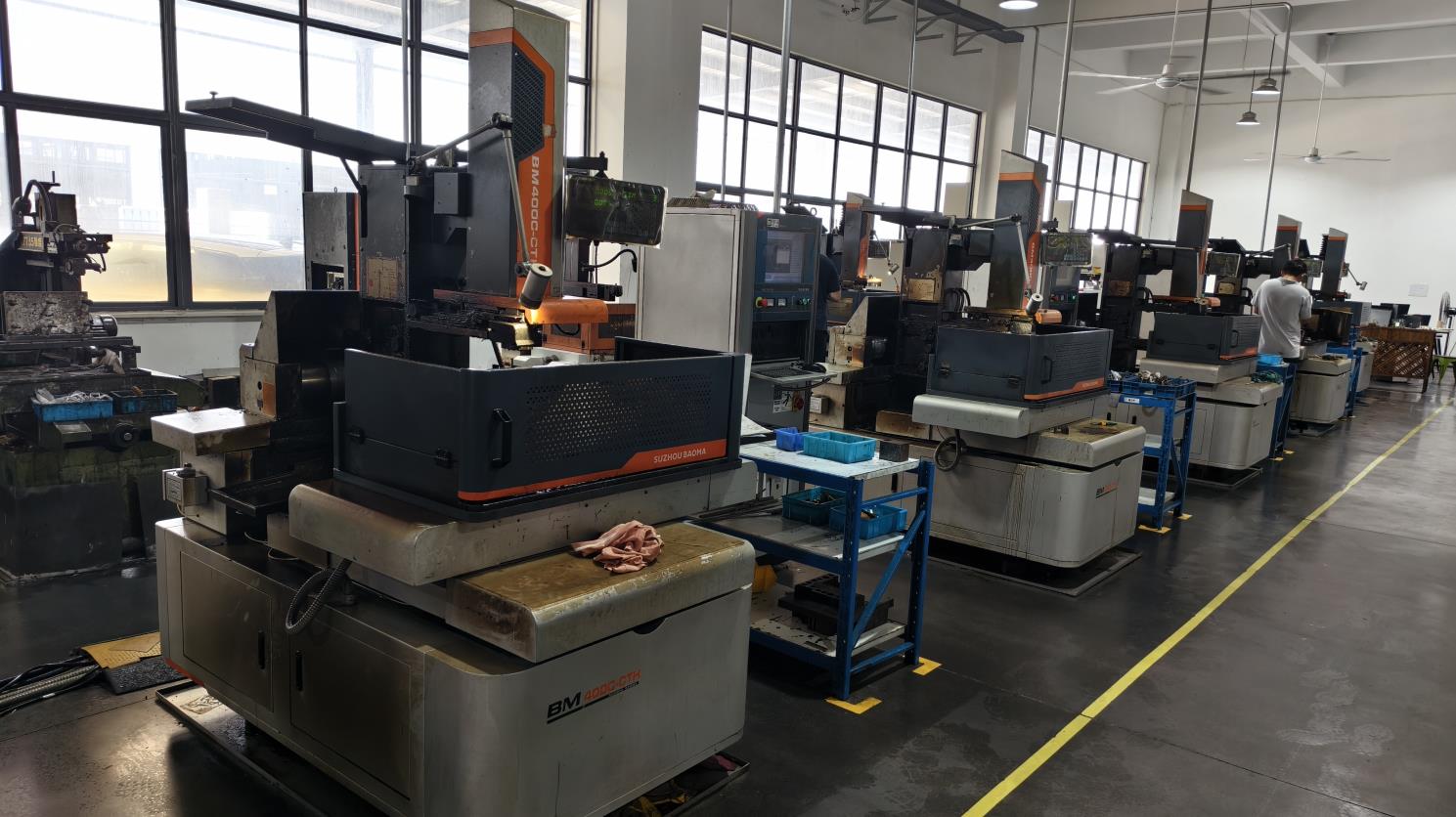
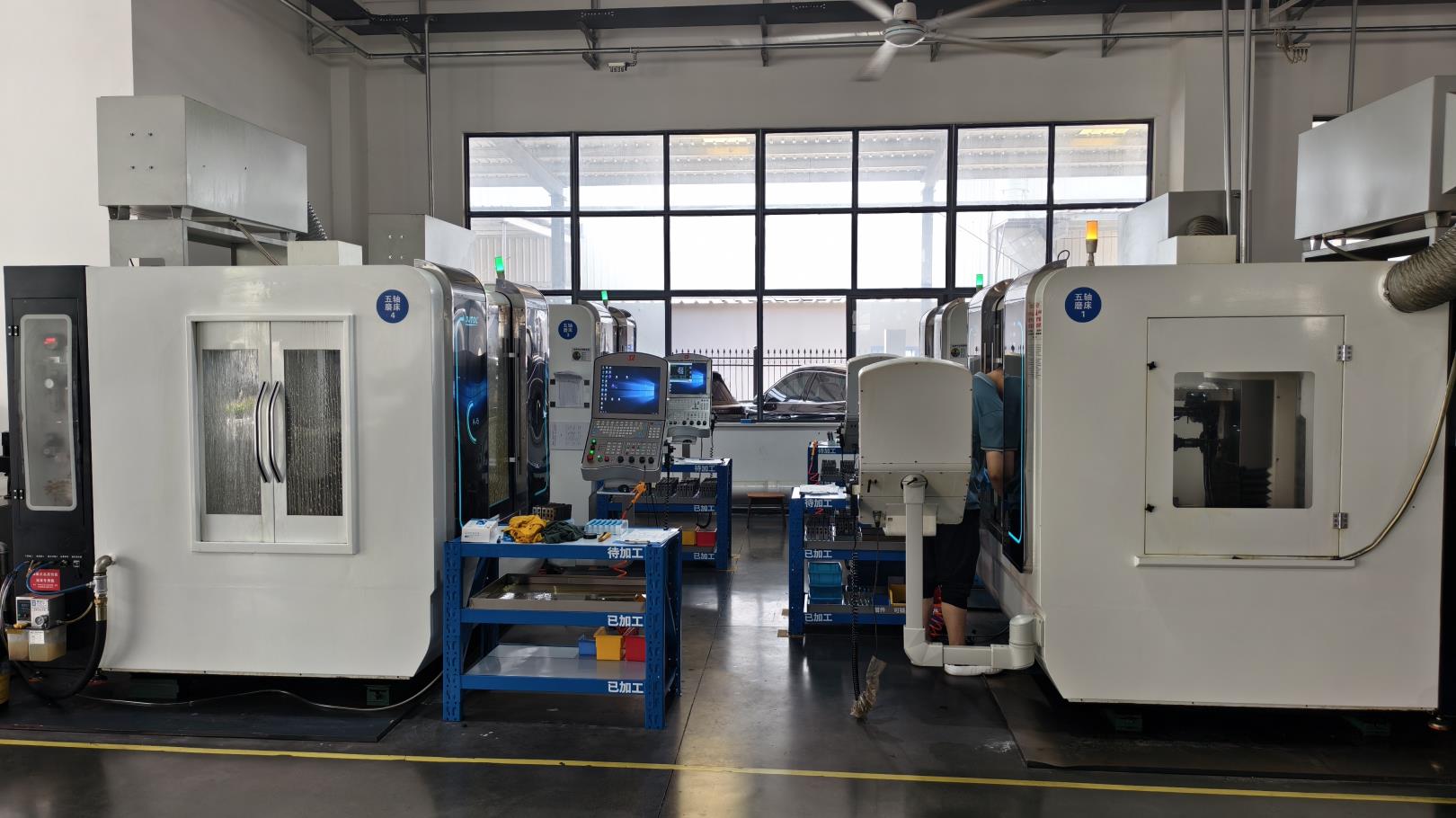
Through high-precision Swiss CNC grinding and wire-cut Electrical Discharge Machining (EDM), we shape hooks and spatulas down to micron-level tolerances. The working tips of our nerve hooks are carefully rounded and polished under stereomicroscopes to ensure zero sharp burrs, preventing accidental vascular wall puncture or nerve fiber tearing during retraction.
Designed for heavy-duty orthopedic reconstructive surgery and trauma centers across Chile. These instruments meet the biomechanical demands of bone manipulation, plate bending, and fracture fixation.
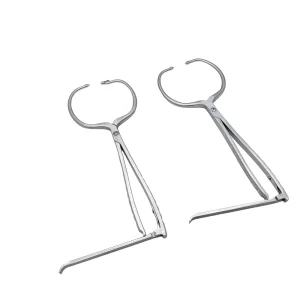
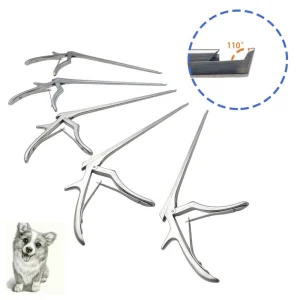
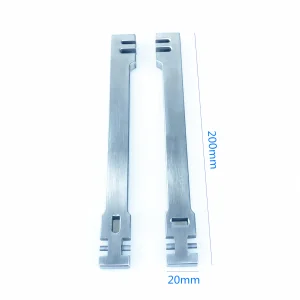
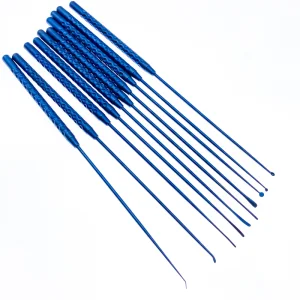
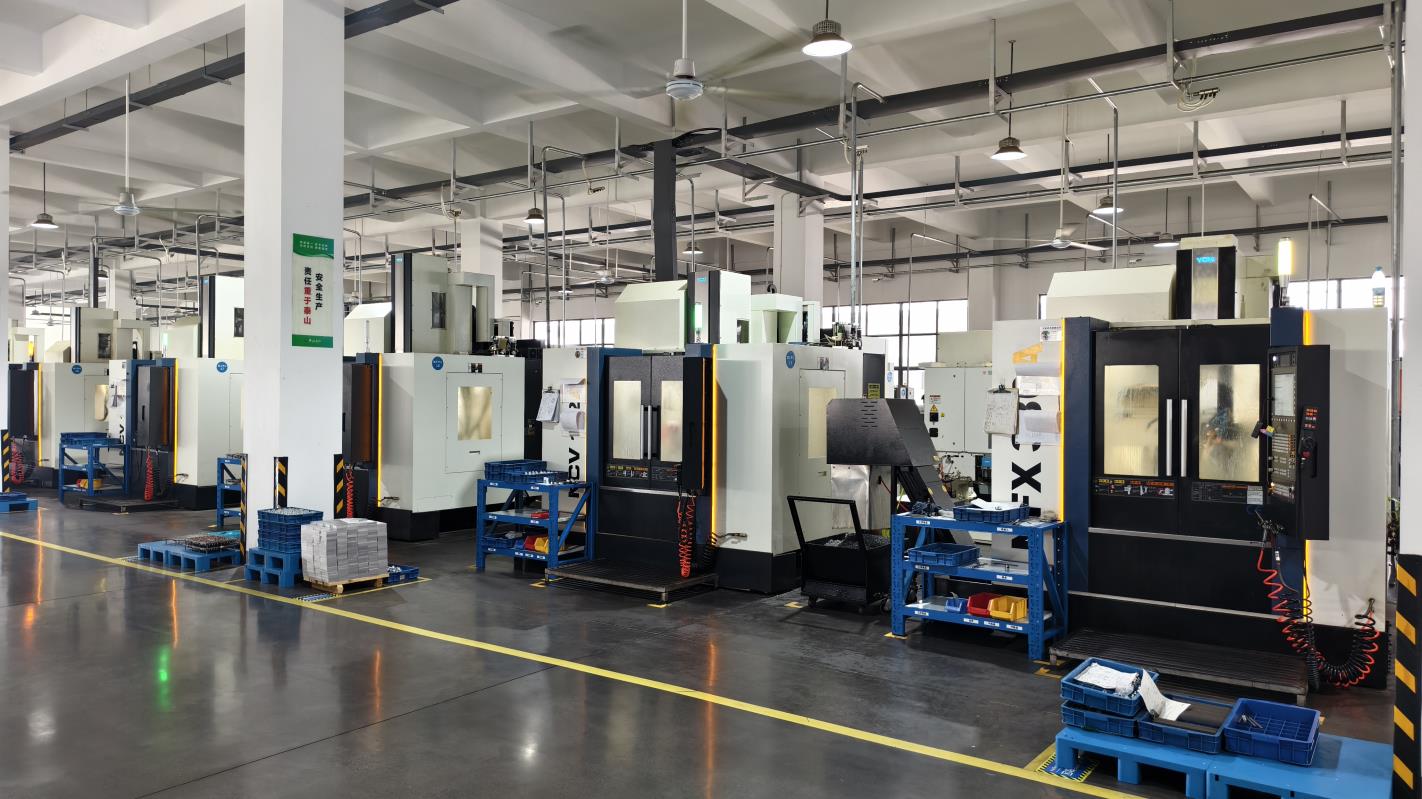
Partnering with our modern medical instrument manufacturing facility in China offers clear economic and technical advantages for Chilean importers, medical distributors, and hospital purchasing groups. Our plant coordinates raw material procurement, precision machining, and strict quality control processes to ensure premium-grade surgical instruments reach your facility on time.
All incoming batches of titanium, stainless steel, and specialty coatings are tested for composition. We supply certificates of conformity and chemical analysis sheets with every order, ensuring total material traceability back to the smelter.
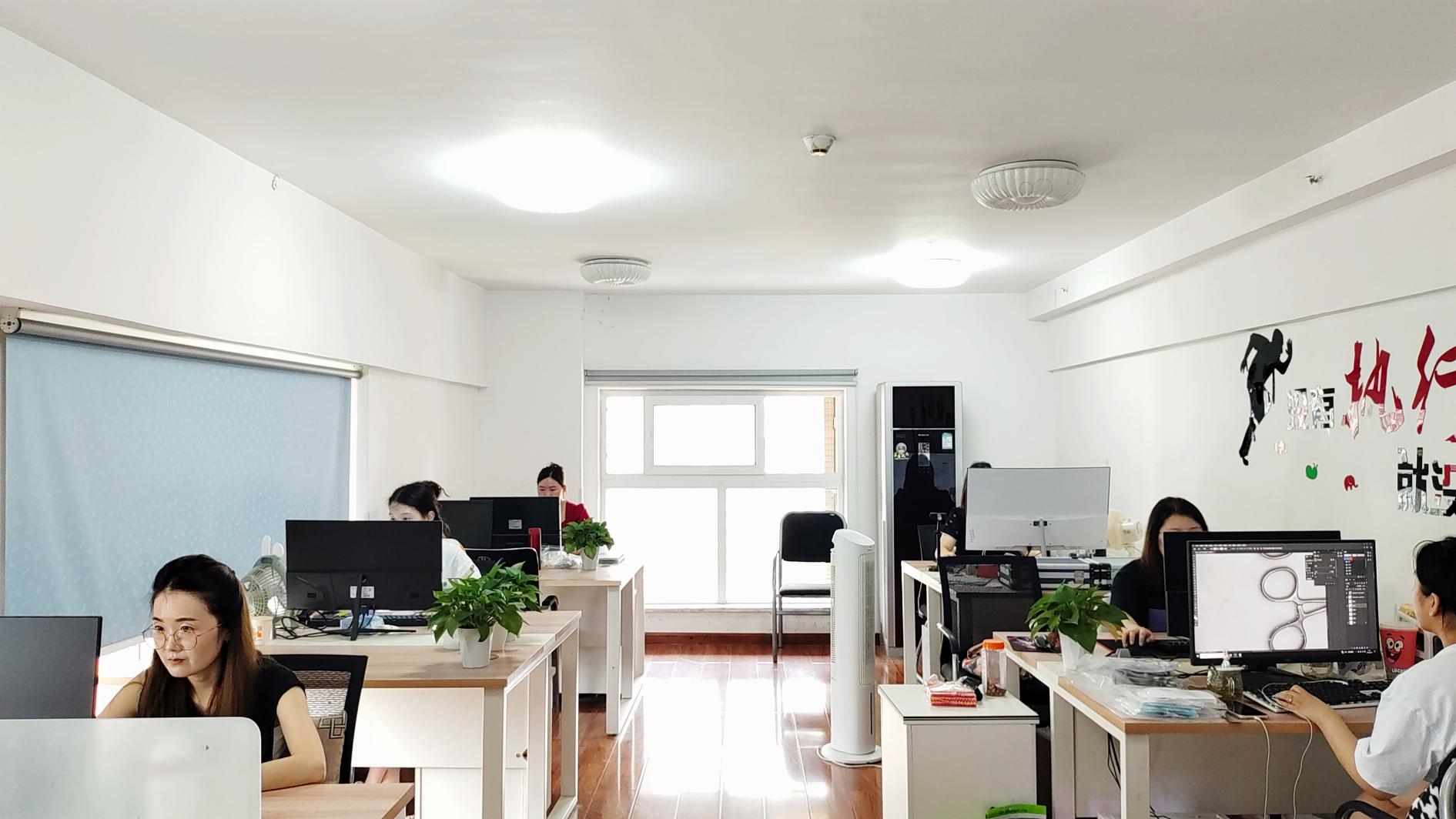
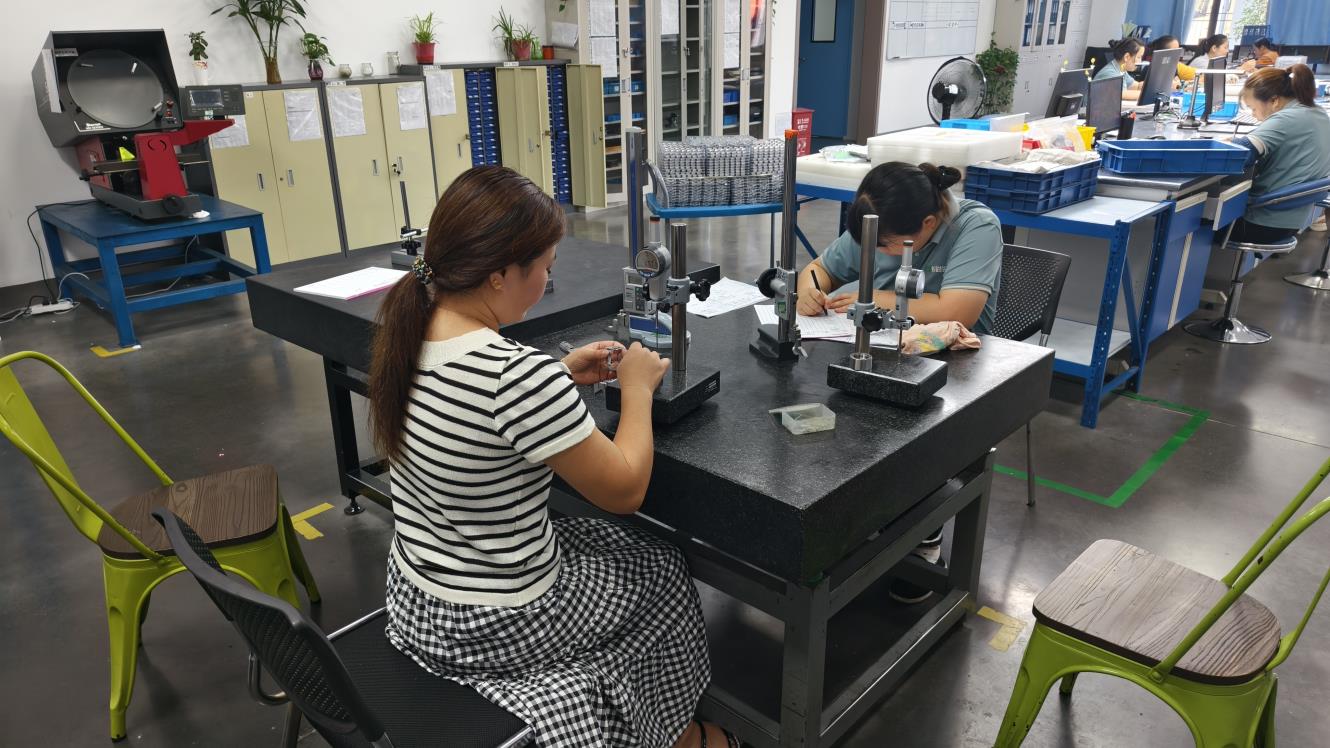
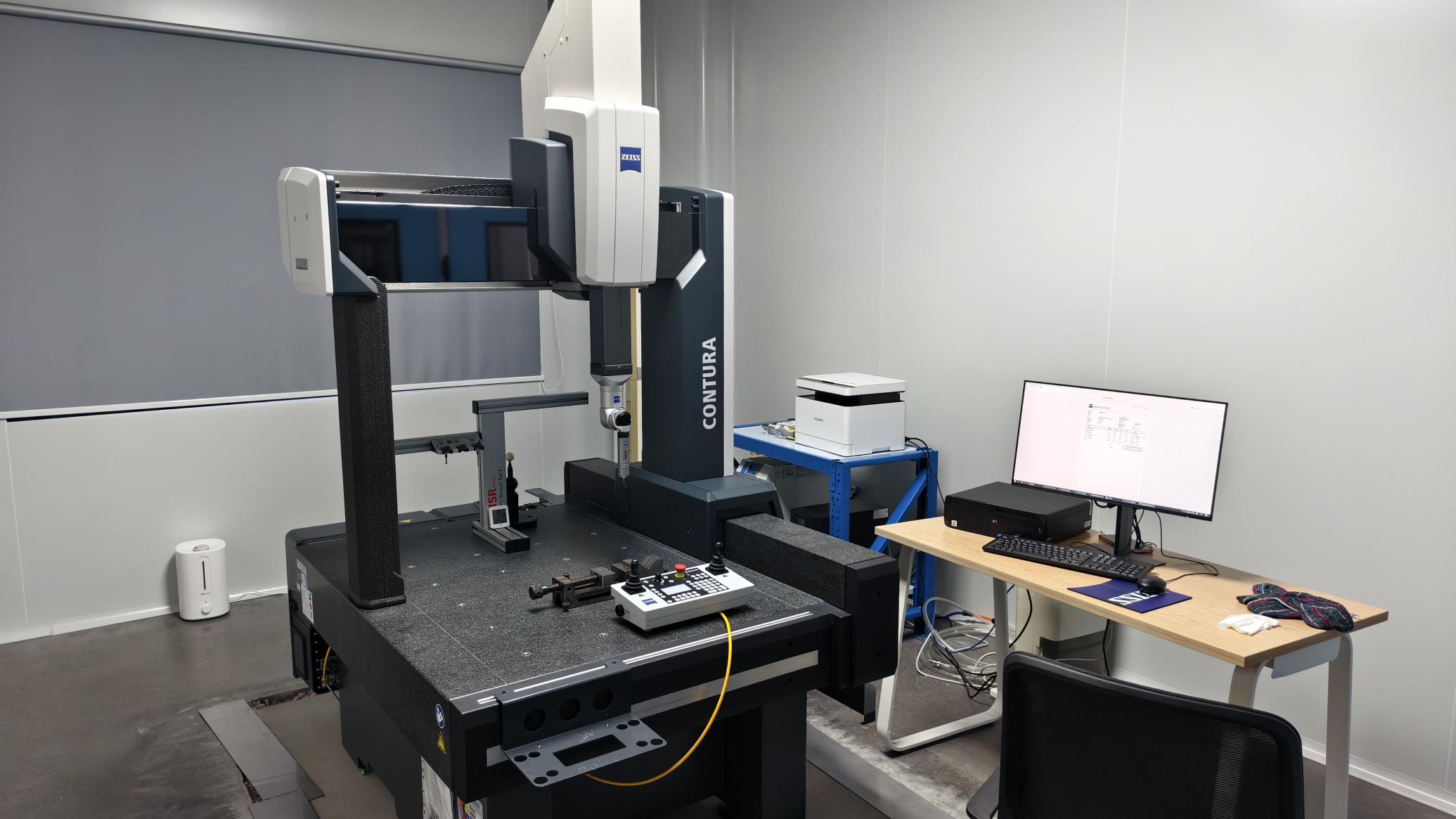
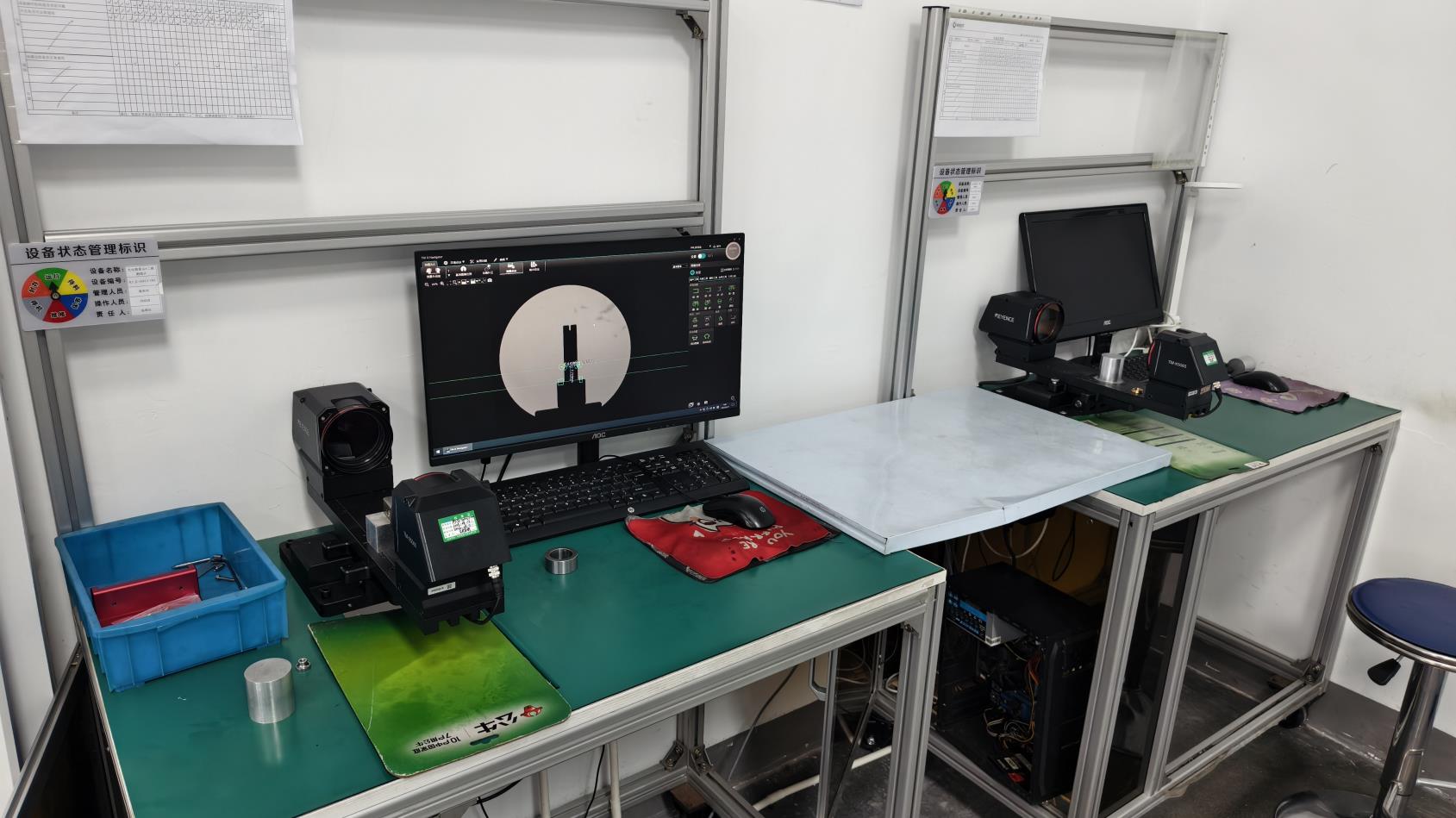
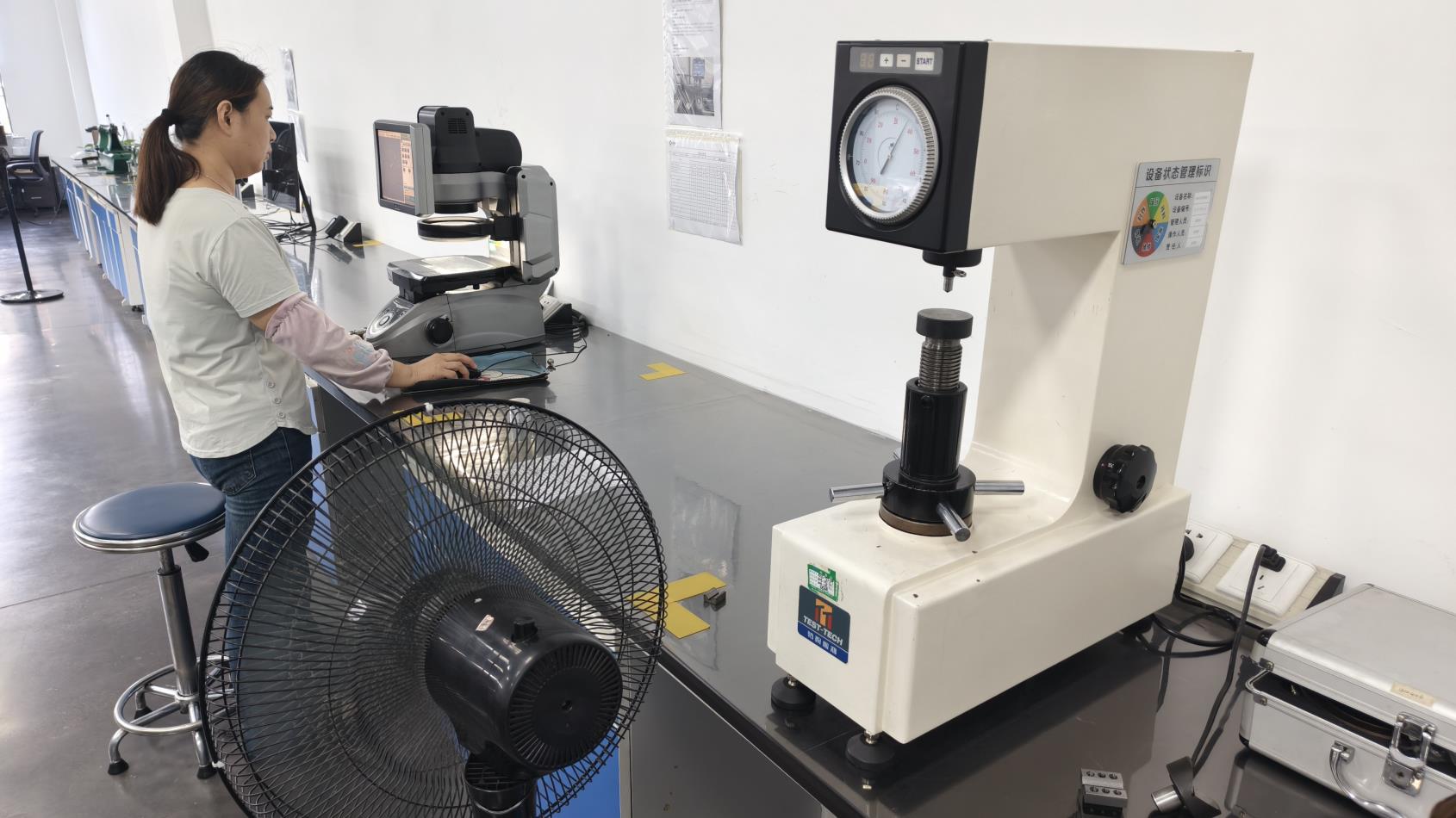
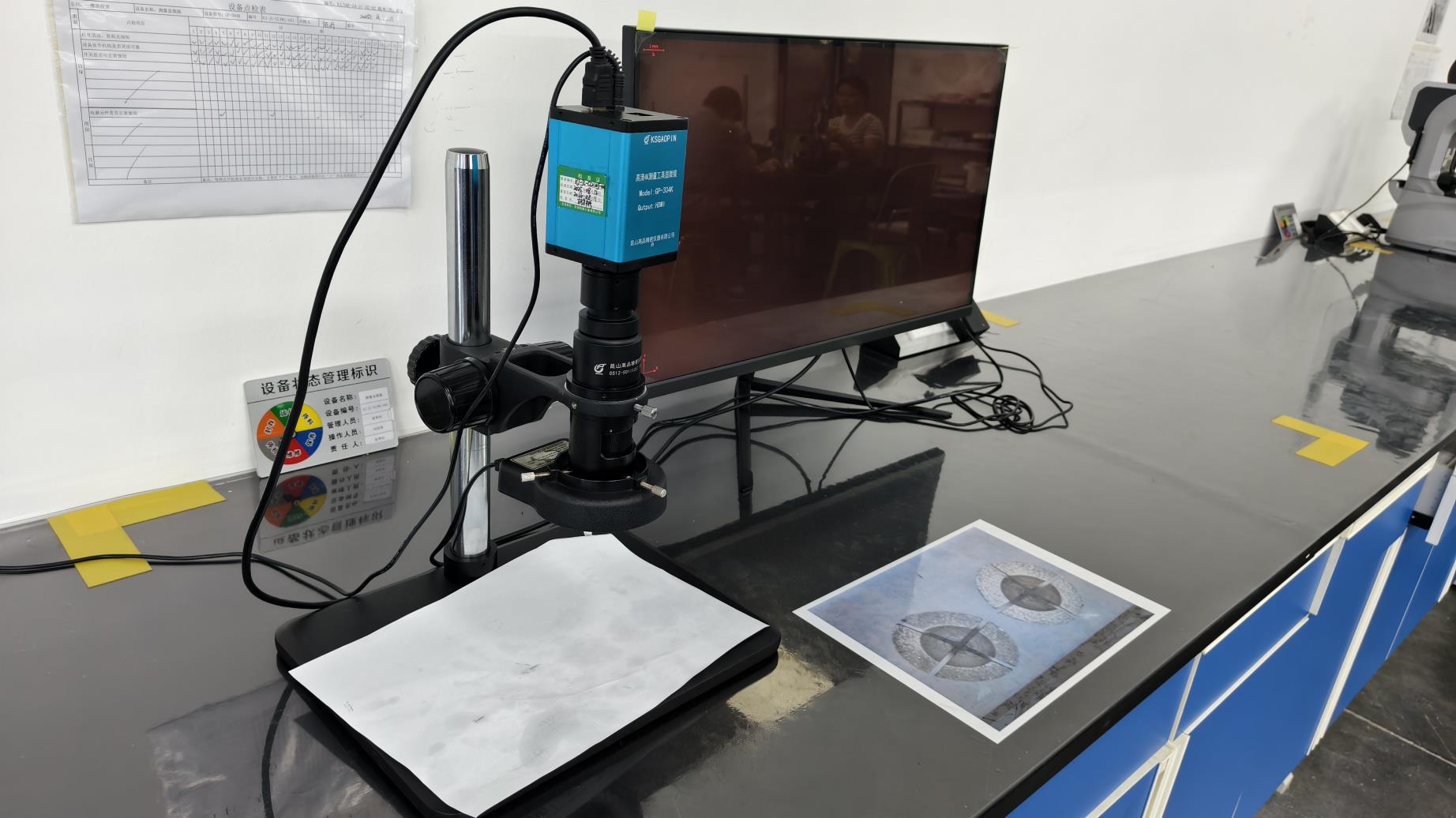
Managed by 3 dedicated QA/QC inspectors, our workflow enforces both random and customer-specified testing protocols. From dimensional validation via digital comparators to hardness testing (Vickers/Rockwell), we guarantee zero defects.
We offer robust OEM/ODM services, including sample processing, custom CAD blueprint design, and personalized branding. We can engrave hospital inventory tracking codes or distributor logos directly onto the metal surface.
Furthermore, the Chile-China Free Trade Agreement (TLC Chile-China) provides significant duty reductions and tariff benefits for medical devices, making direct sourcing highly cost-efficient. Our logistics team handles international ocean and air freight, delivering instruments safely through major Chilean ports like Valparaíso and San Antonio, or via Santiago's international airport (SCL).
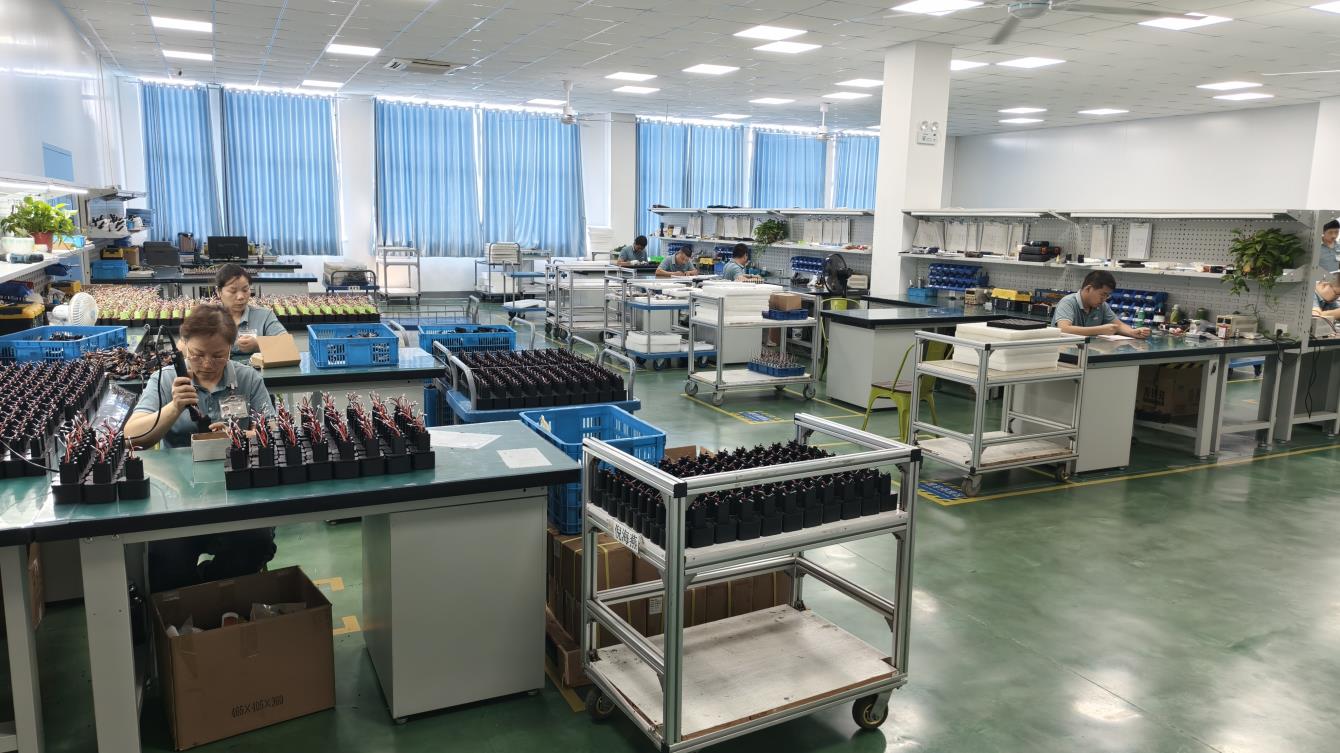
Take a look inside our ISO-compliant manufacturing center, featuring advanced testing equipment, CNC machining, and sterile packaging workflows designed to exceed global standards.

Surgical practices in Chile require tools customized for specific anatomy and clinical routines. Below are the key applications where our titanium spatula and nerve hook designs support daily patient care:
In cervical and lumbar disc surgeries, titanium micro-nerve hooks (210mm) and spatula dissectors are used to retract delicate nerve roots and spinal membranes safely. The non-glare anodized finish helps minimize surgeon eye fatigue under strong operating microscope lights.
Regional trauma centers managing high-impact accidents rely on our orthopedic pelvis and tibial plateau reduction forceps. These tools provide the precise alignment force needed for anatomically correct bone stabilization before internal fixation plates are applied.
During coronary artery bypass grafting (CABG) or complex arteriovenous access procedures, the Carpentier vascular hook assists in isolating tiny vessels without causing endothelial shear stress or vascular trauma.
Designed to equip comprehensive operating theaters. Our products are fully compatible with standard autoclave sterilization processes and feature ergonomic grips to enhance surgical control.
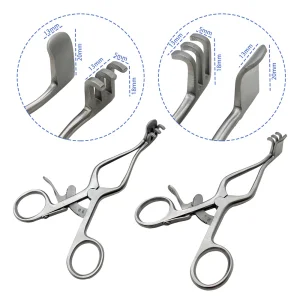
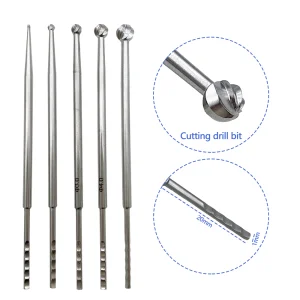
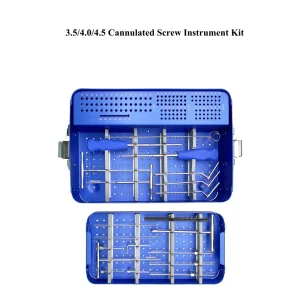
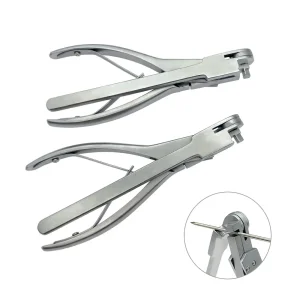
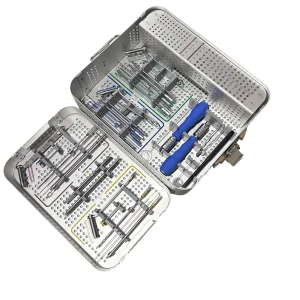
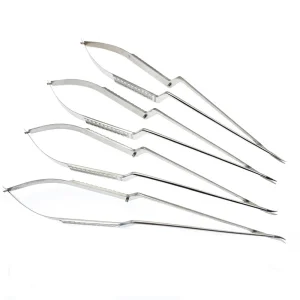
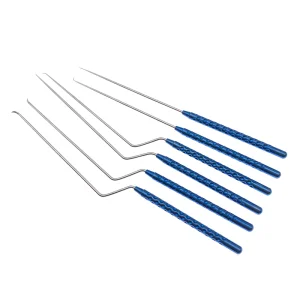
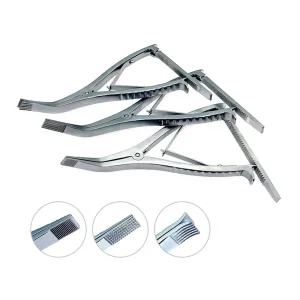
Importing medical instruments into Chile requires compliance with local regulatory guidelines. Under the supervision of the Instituto de Salud Pública (ISP), devices must be classified according to risk. Classic surgical spatulas, hooks, hand-held retractors, and mechanical benders generally fall under Class I or Class II medical devices.
Thanks to the direct shipping lanes connecting major Chinese export hubs (such as Shanghai, Ningbo, and Shenzhen) to the ports of Valparaíso and San Antonio, typical sea freight transit times range from 30 to 40 days. For urgent clinical projects, air freight options via Santiago (SCL) reduce delivery times to 5–7 working days, ensuring your inventory stays well-stocked.
Yes. Our products are manufactured under ISO 13485 quality systems and carry CE and FDA certificates. We supply all necessary documents, including raw material certificates of analysis and conformity declarations, to assist Chilean importers with the ISP (Instituto de Salud Pública) registration process.
Grade 5 Titanium (Ti-6Al-4V) is lightweight, highly bio-compatible, and non-magnetic. Because it is non-magnetic, it is safe for use in intraoperative MRI suites. Additionally, its high flexibility and strength-to-weight ratio give surgeons excellent tactile feedback during delicate nerve dissection.
Yes. We offer customization options based on your technical drawings, samples, or graphic files. We can engrave custom specifications, hospital inventory codes, or distributor branding using high-resolution laser marking systems.
MOQs vary by product classification. Standard items in stock have low MOQs to support initial trial orders. Custom manufacturing or bulk contract runs typically take 25 to 45 days, depending on geometry complexity and quantity requirements.
We use high-grade surgical stainless steel (such as 316LVM) and biocompatible titanium alloys, followed by automated passivation treatments. This creates a highly stable passive layer on the surface, protecting the instrument from rust and corrosion during steam sterilization cycles.
Yes. We provide a valid Certificate of Origin (Form F for the China-Chile FTA) with all shipments. This certificate allows Chilean customs to apply reduced or zero-tariff rates, saving costs compared to sourcing from non-FTA countries.