SENJIE Healthy & Technology SENJIE Healthy & Technology

Tweezers & Micro-Forceps Manufacturers Serving Brazil

High-Precision Microsurgical Instruments & Orthopedic Systems Tailored for Brazilian Healthcare Networks & ANVISA Regulatory Frameworks

Brazil's Precision Surgical Instrument & Tweezers Landscape

An authoritative analysis of regulatory requirements, market shifts, and procurement strategies for Brazilian medical supply chains.

"The Brazilian medical device market is undergoing structural modernization. Driven by both the expansion of private networks like Rede D'Or São Luiz and the rigorous public bidding processes of the SUS (Sistema Único de Saúde), the demand for high-end micro-instruments has reached unprecedented levels."

1. Regulatory and Compliance Pathways: ANVISA & RDC 665/2022

For Brazilian medical distributors and hospital procurers, importing surgical tweezers (pinças cirúrgicas) and microscopic tools requires strict compliance with ANVISA (Agência Nacional de Vigilância Sanitária). Specifically, surgical hand instruments fall under specific risk classification levels that demand rigorous technical documentation.

Our manufacturing facility operates under a comprehensive ISO 13485 quality management system. We assist our Brazilian partners by providing comprehensive technical dossiers, raw material mill certificates, and biocompatibility documentation required for ANVISA submissions under the updated RDC 665/2022 (Brazilian Good Manufacturing Practices - BGMP). This proactive documentation approach dramatically shortens registration timelines and ensures smooth customs clearance through major entry hubs like Viracopos (VCP) and Guarulhos (GRU) airports.

2. Metallurgy and Material Dynamics: Titanium vs. Stainless Steel

Precision surgical tweezers and forceps are subjected to high sterilization loads and chemical exposures. To guarantee long-term dimensional stability and resistance to corrosion, we use only certified medical-grade alloys:

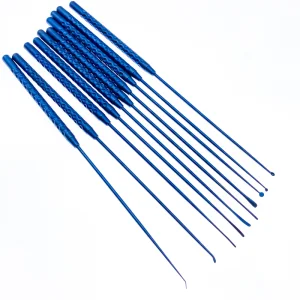
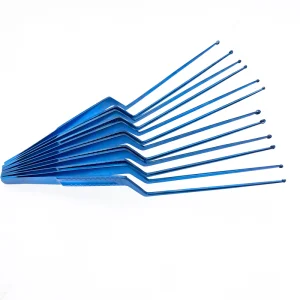
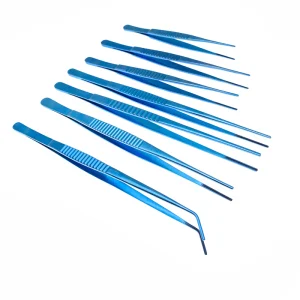
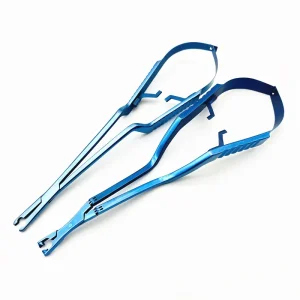
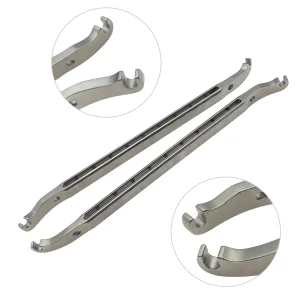
  • Titanium Alloy (Grade 5 - Ti-6Al-4V): Preferred for microscopic cerebral artery clamps and vessel hooks. Titanium is 45% lighter than stainless steel, reducing hand fatigue during grueling 8-hour neurosurgical procedures in Brazilian teaching hospitals. It is completely non-magnetic, making it safe for intraoperative MRI environments.
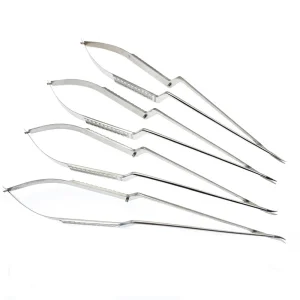
  • Martensitic Stainless Steel (AISI 420 & 440C): Used primarily for micro-scissors and toothed grasping forceps. This grade allows for extreme sharpening of blades (like our Shark Blade technology) and provides superior wear resistance along the working tips.

Factory Verification & Export Capabilities

Transparent production data, quality indicators, and global trade flow profiles.

2019
Est. Registration Date
6+ Yrs
Exporting & Industry Exp.
25%
South American Market Share
3
Dedicated QA/QC Inspectors
Overview & Languages
Company Registration Date: 2019-11-20
Accepted Languages: English (Fluent technical and commercial correspondence)
Main Client Types: Brand businesses, Medical retailers, Wholesalers, and Specialty clinics
Quality Control & Traceability
Traceability: Full traceability of raw materials from mill certificates to finished instruments.
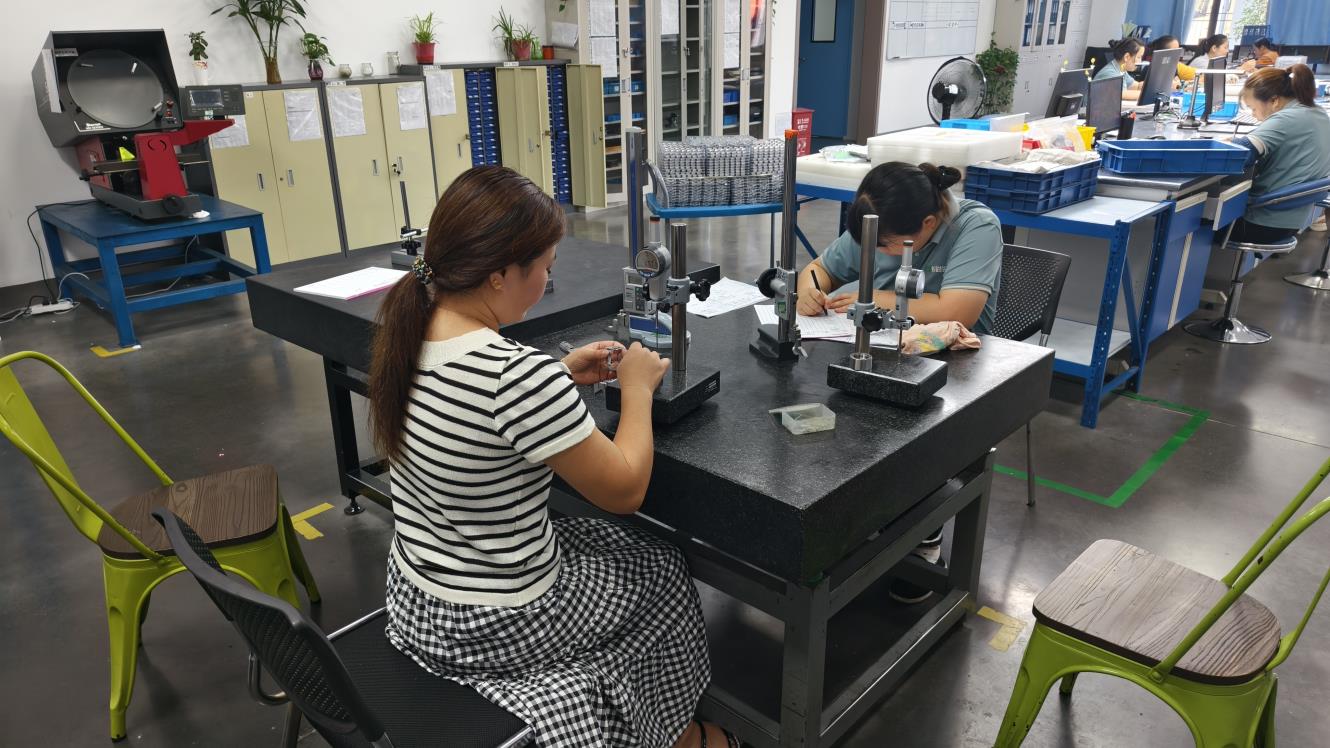
Inspection Method: Random inspection, plus custom inspection protocols according to Brazilian client requirements.
Main Markets: South America (25%), North America (25%), Southeast Asia (15%).
R&D & Customization
Customization Options: Sample processing, graphic processing, customized on-demand tool shapes.
OEM/ODM Capabilities: Custom laser marking, specialized tip geometries, and localized packaging designs.
Production Infrastructure
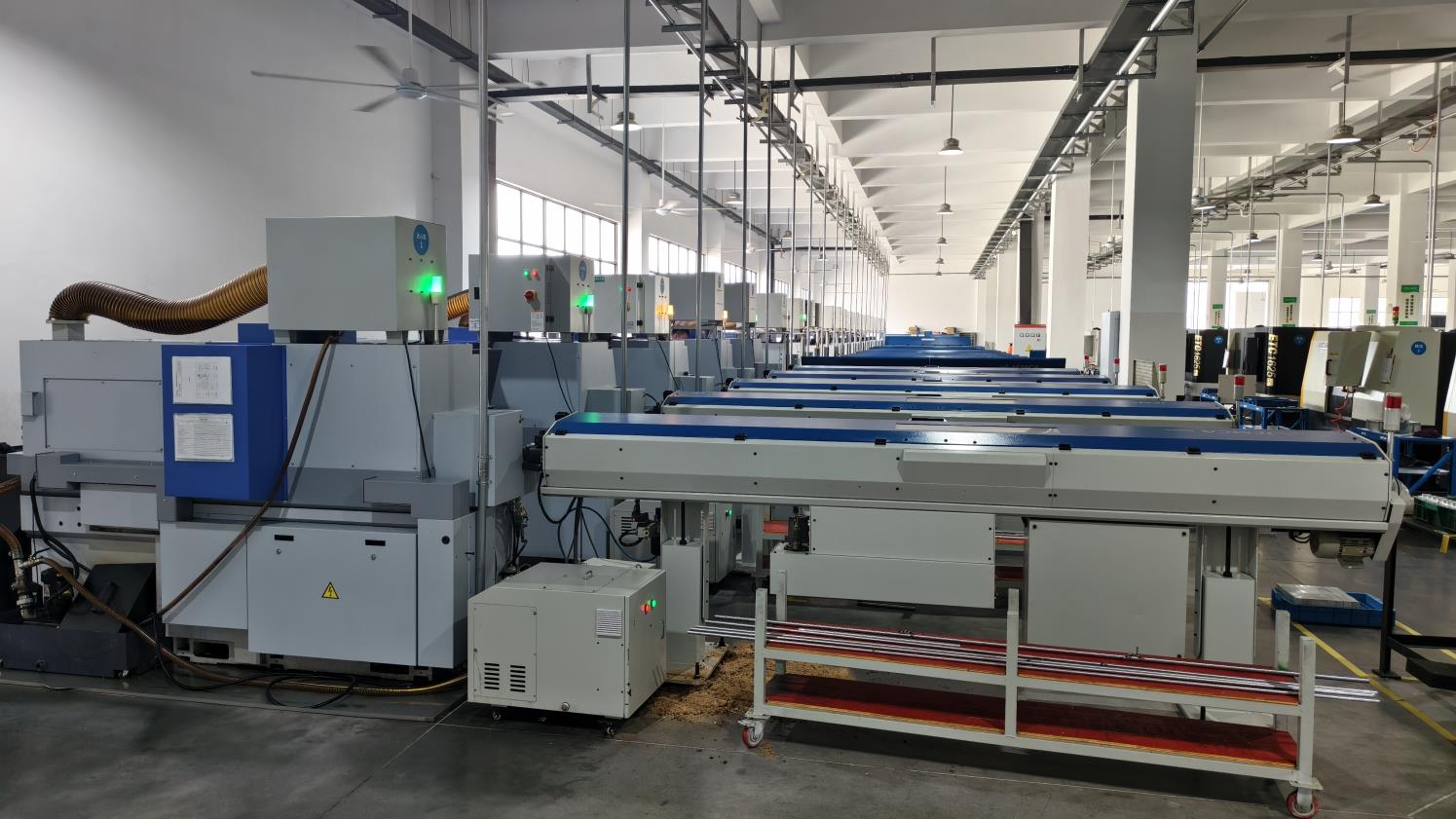
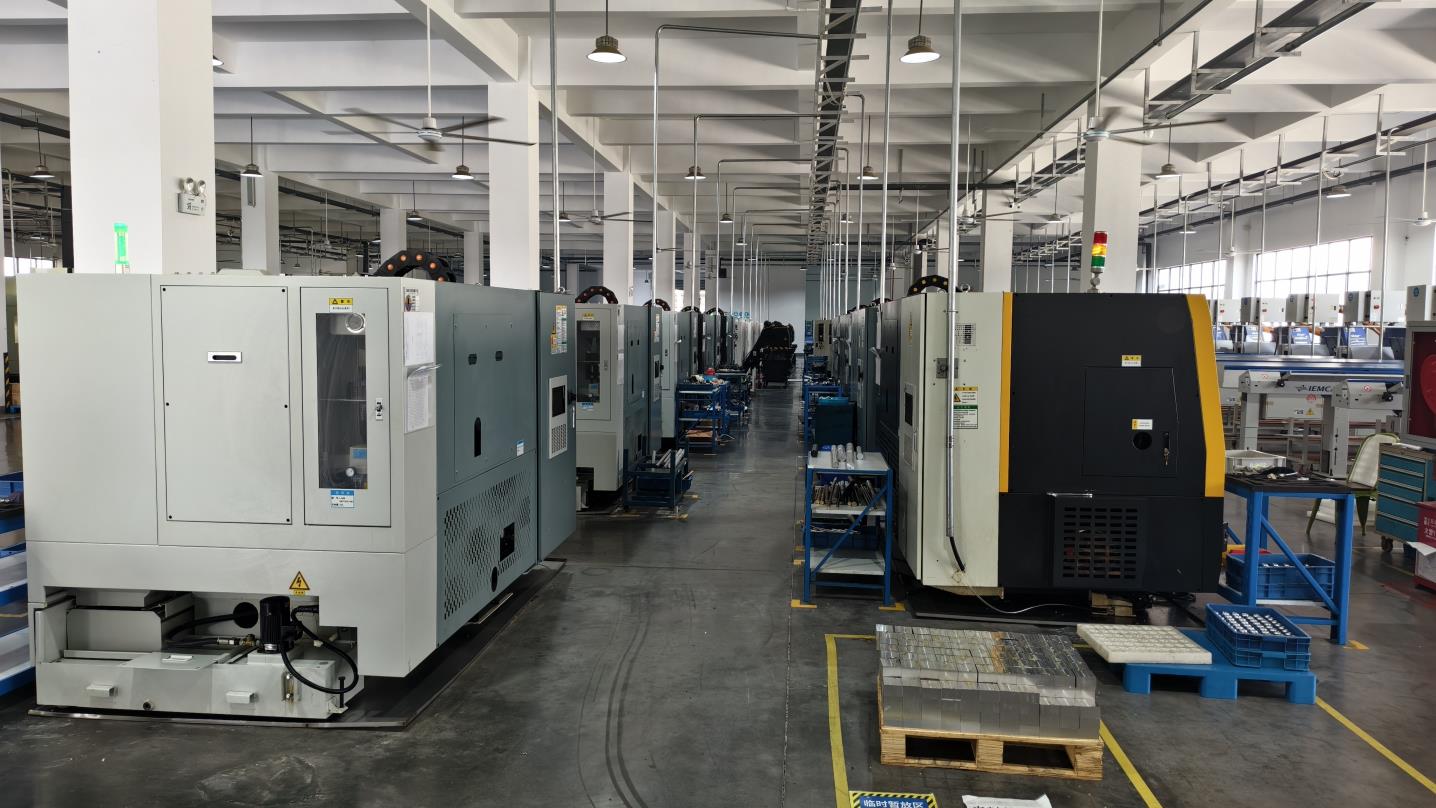
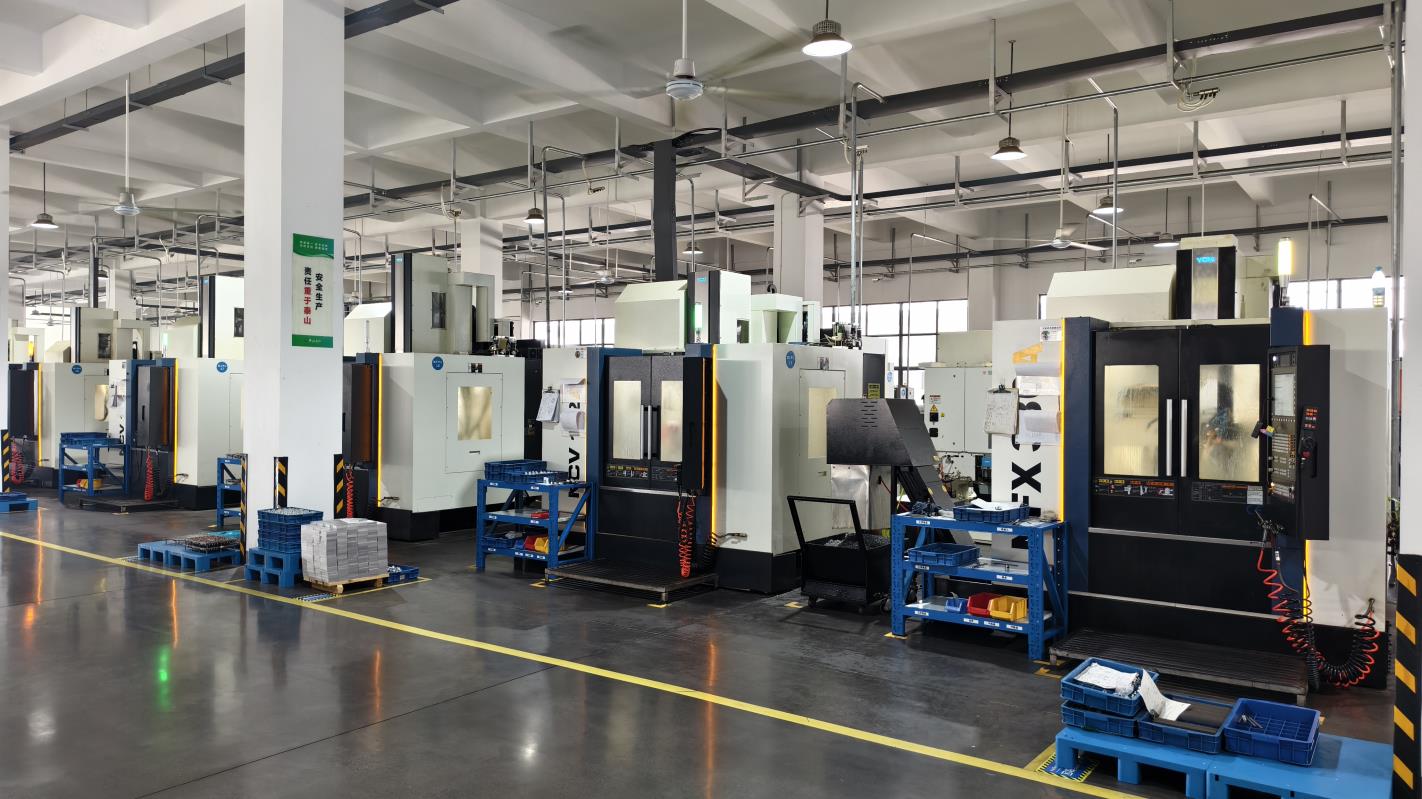
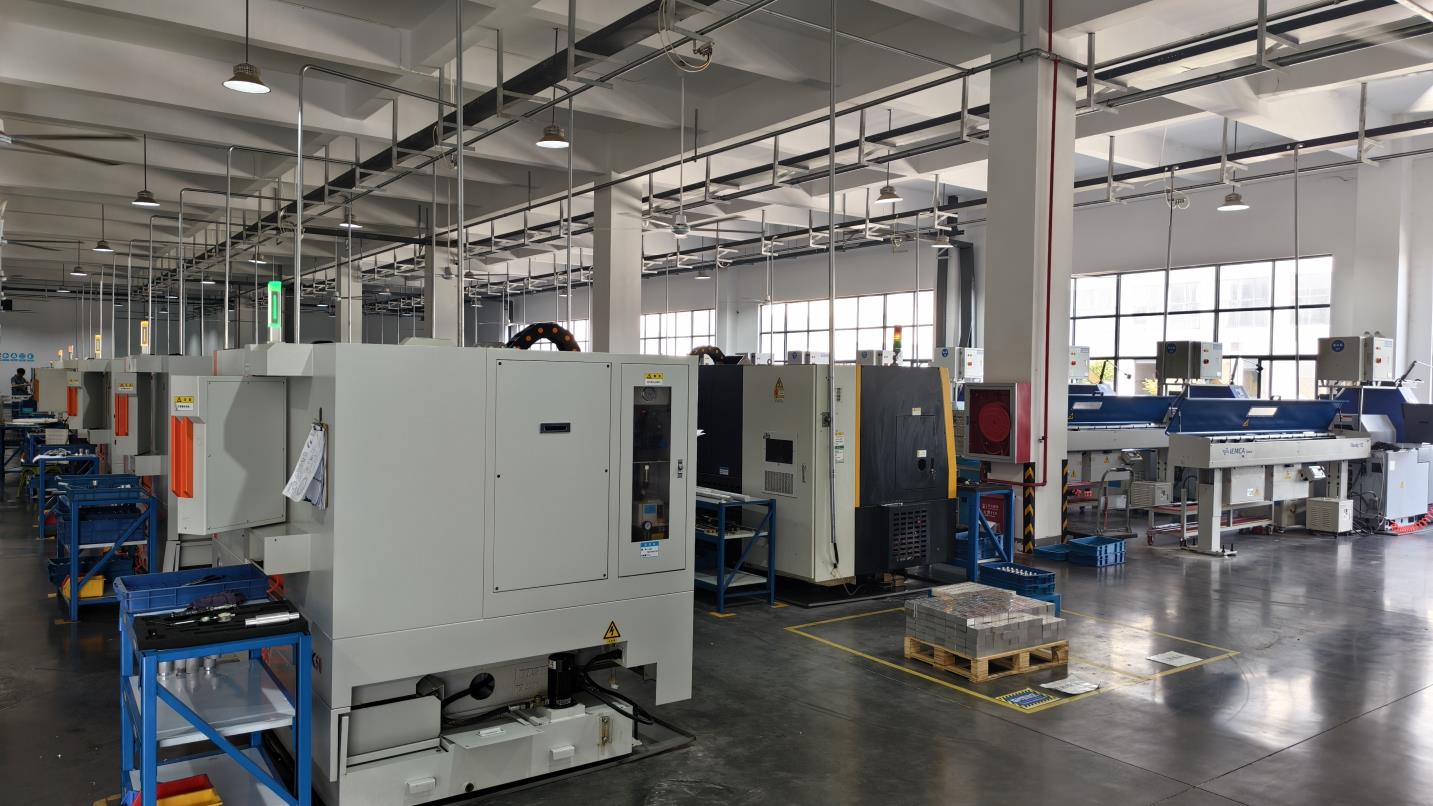
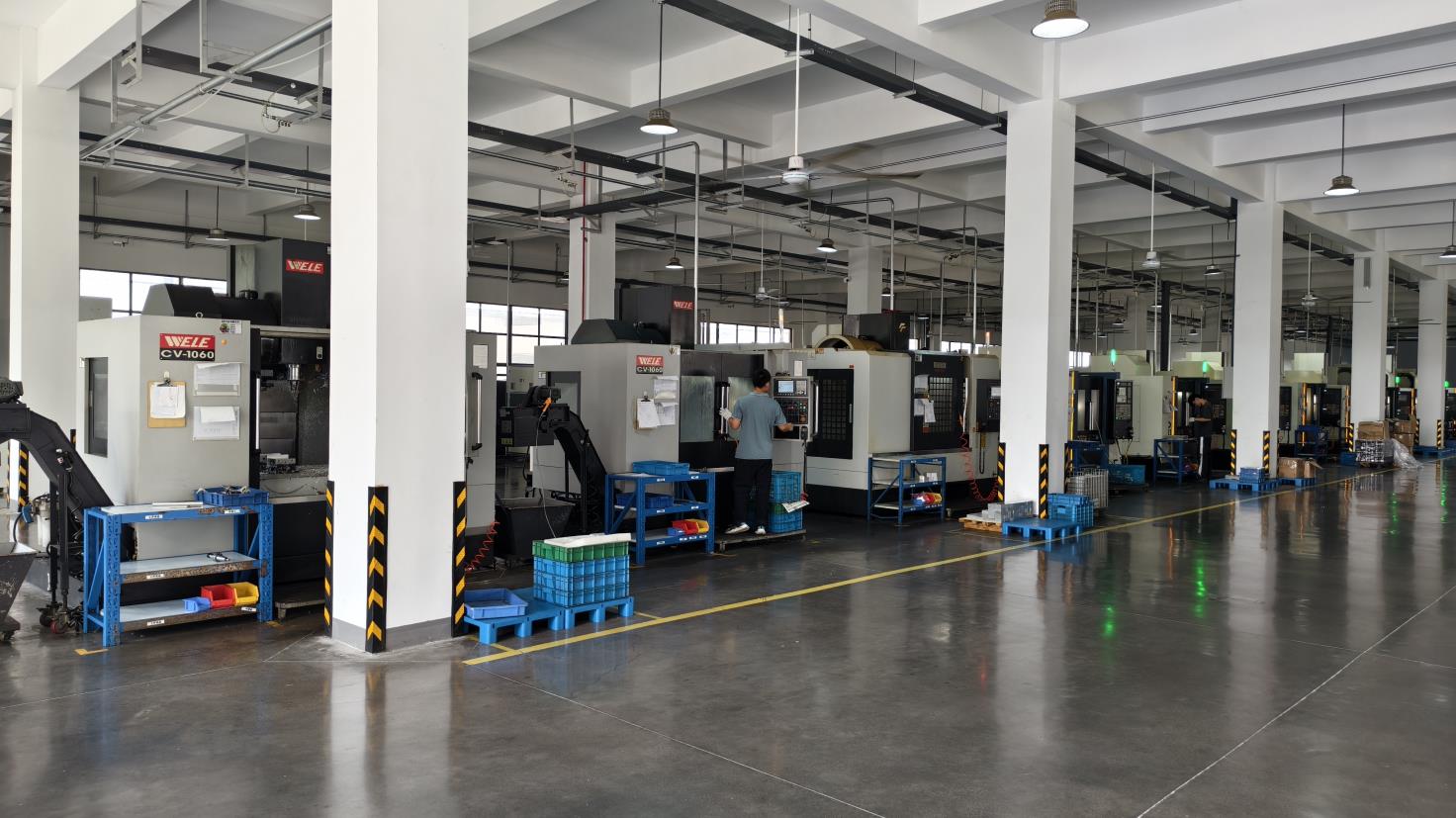
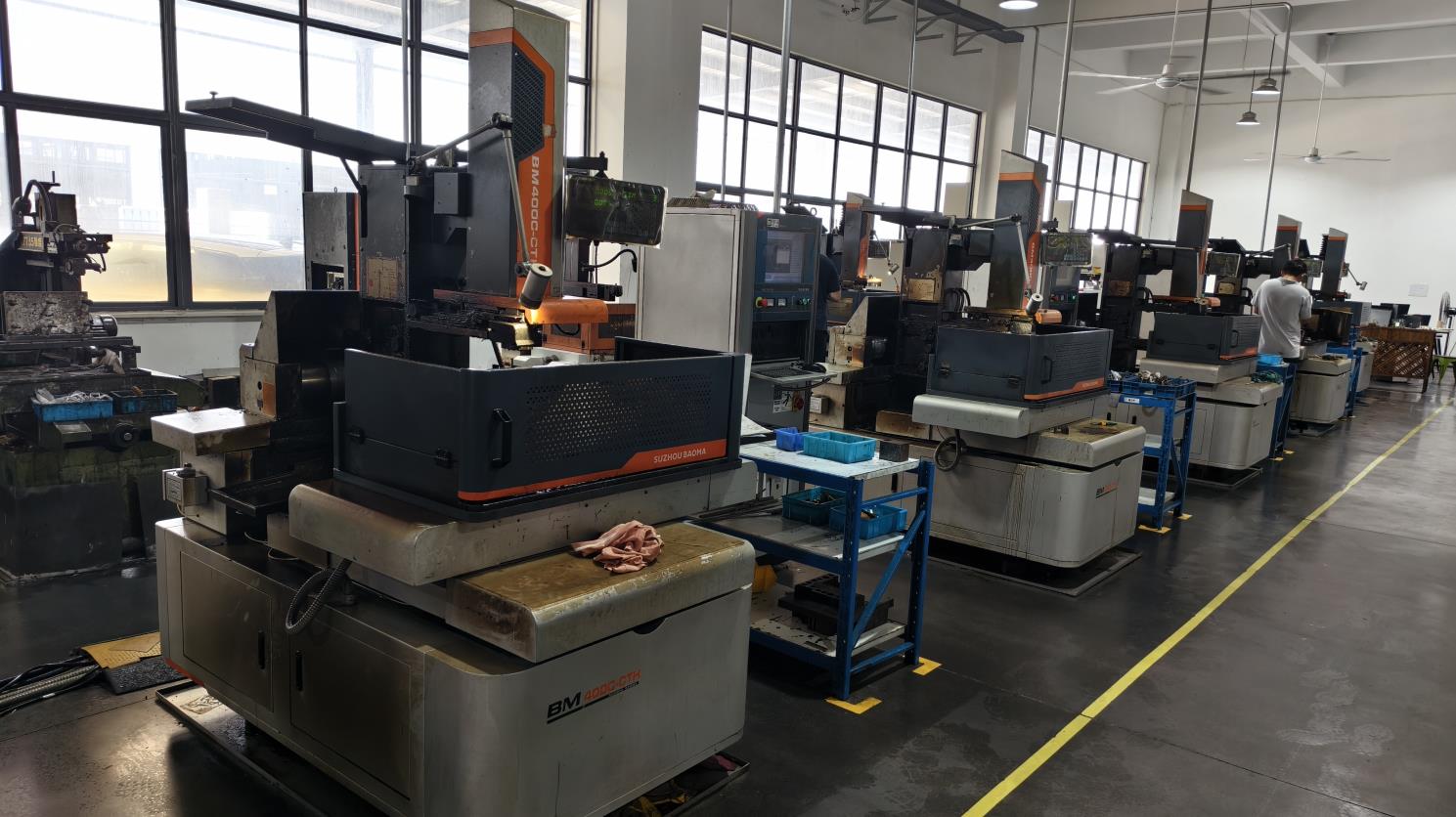
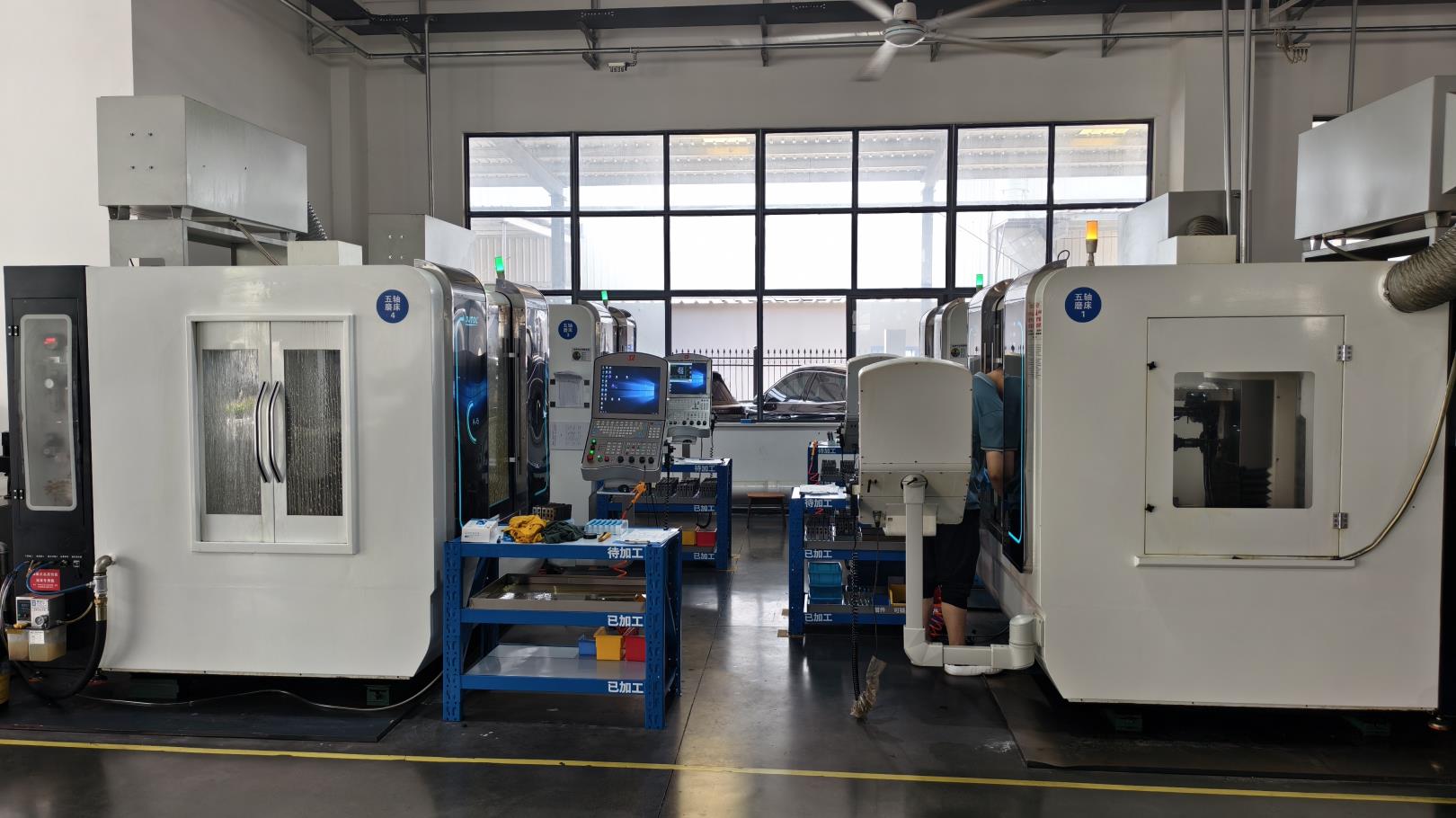
Production Lines: Automated CNC grinding and electrical discharge machining (EDM) stations.
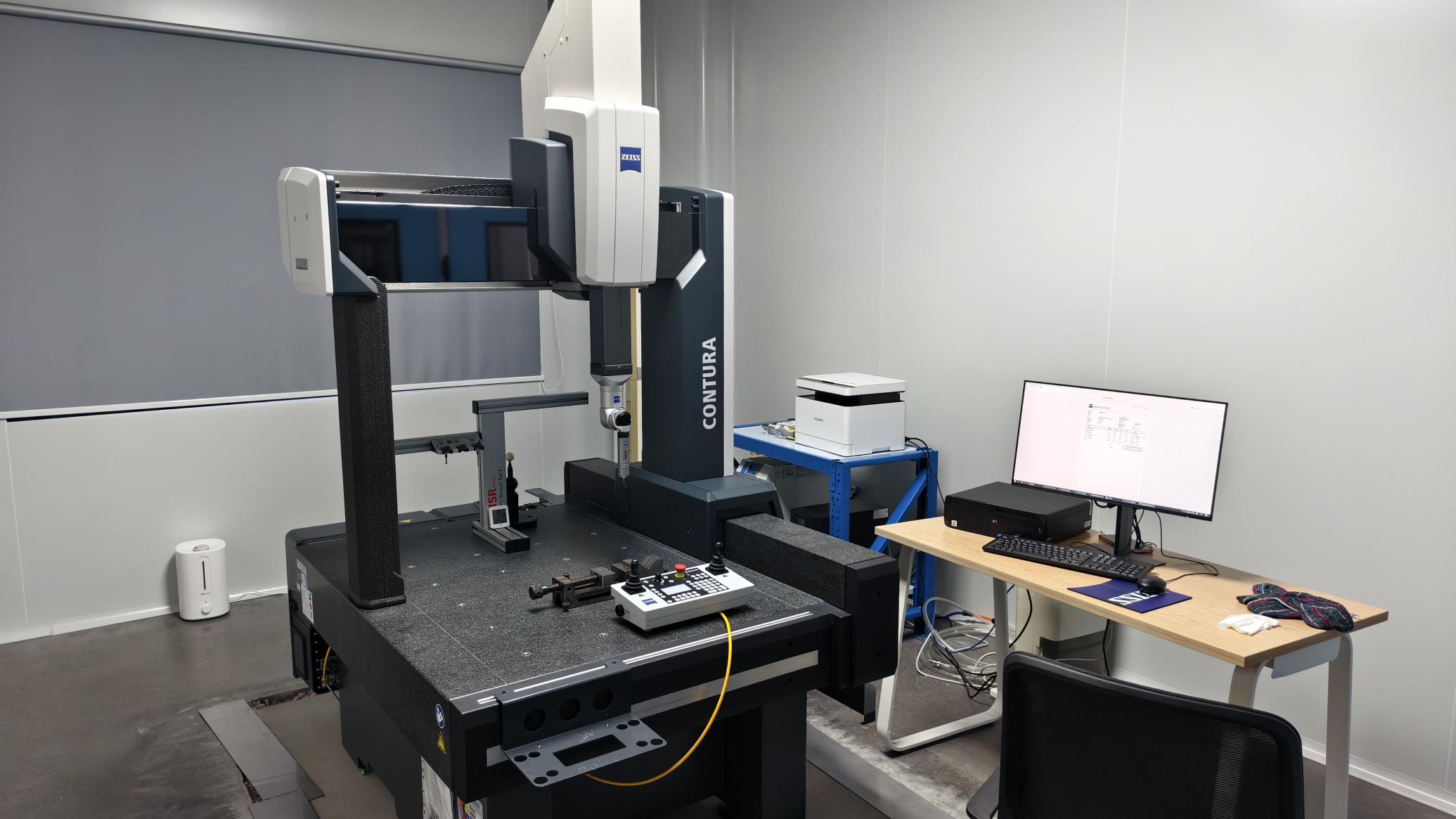
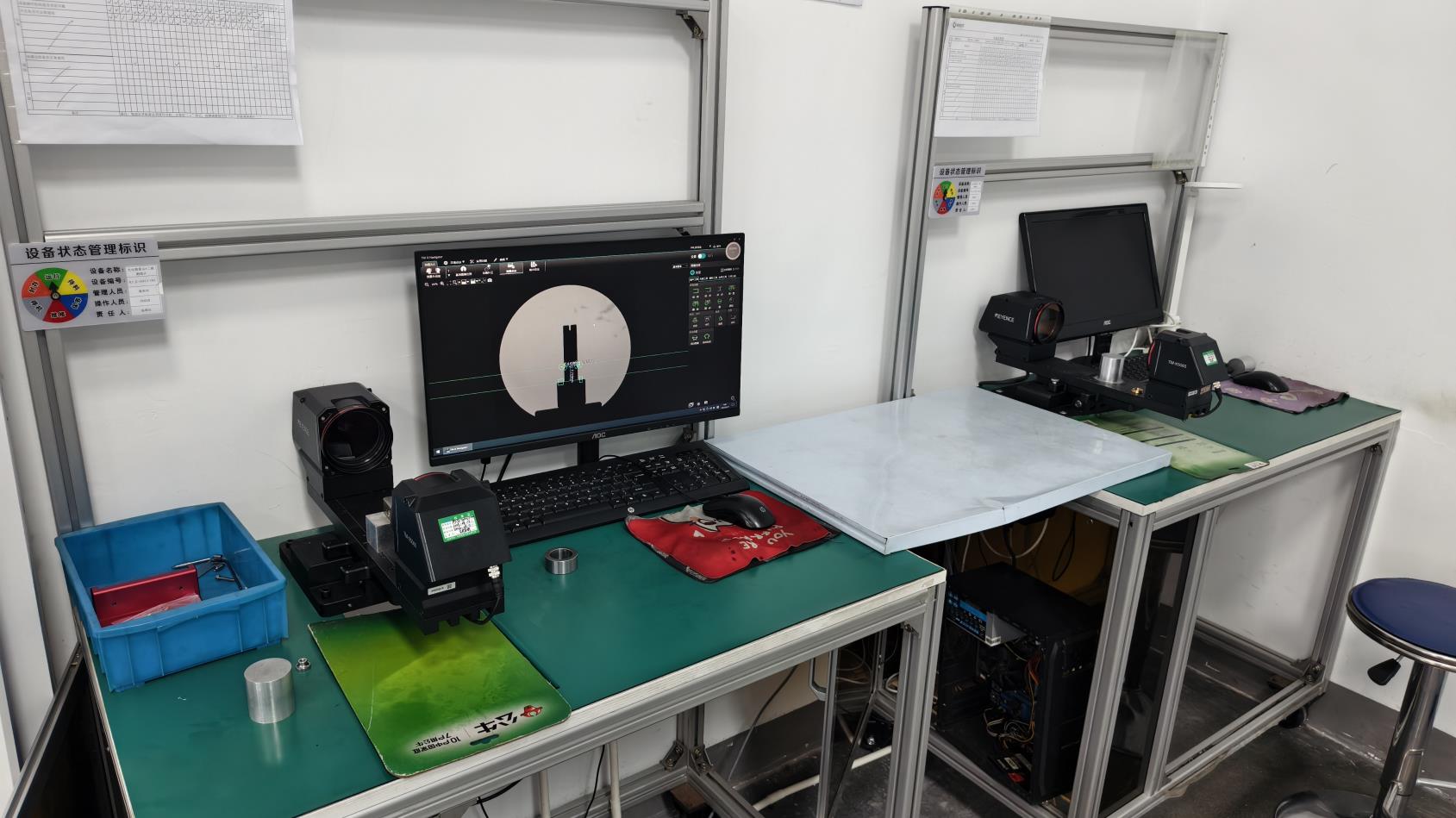
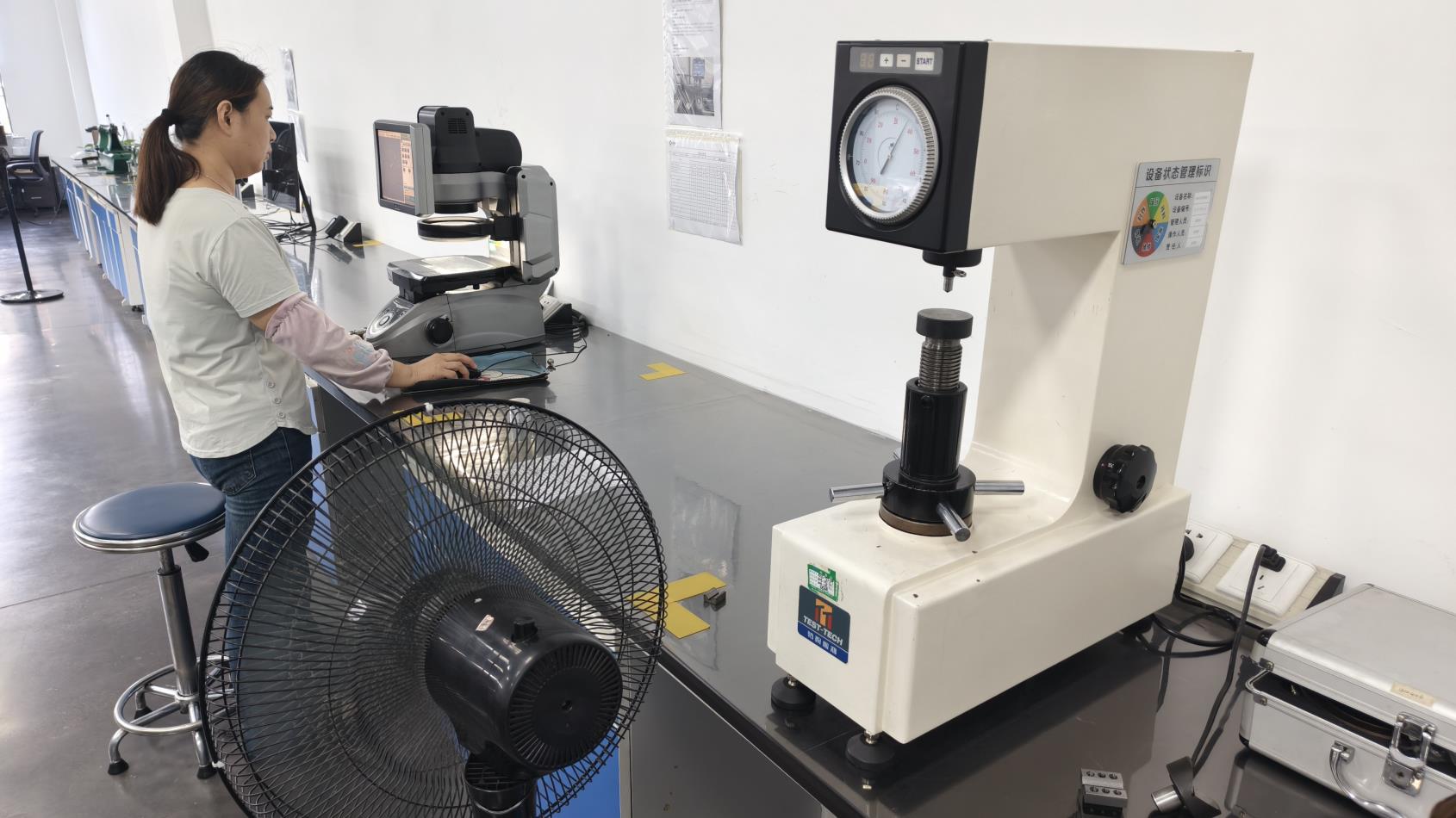
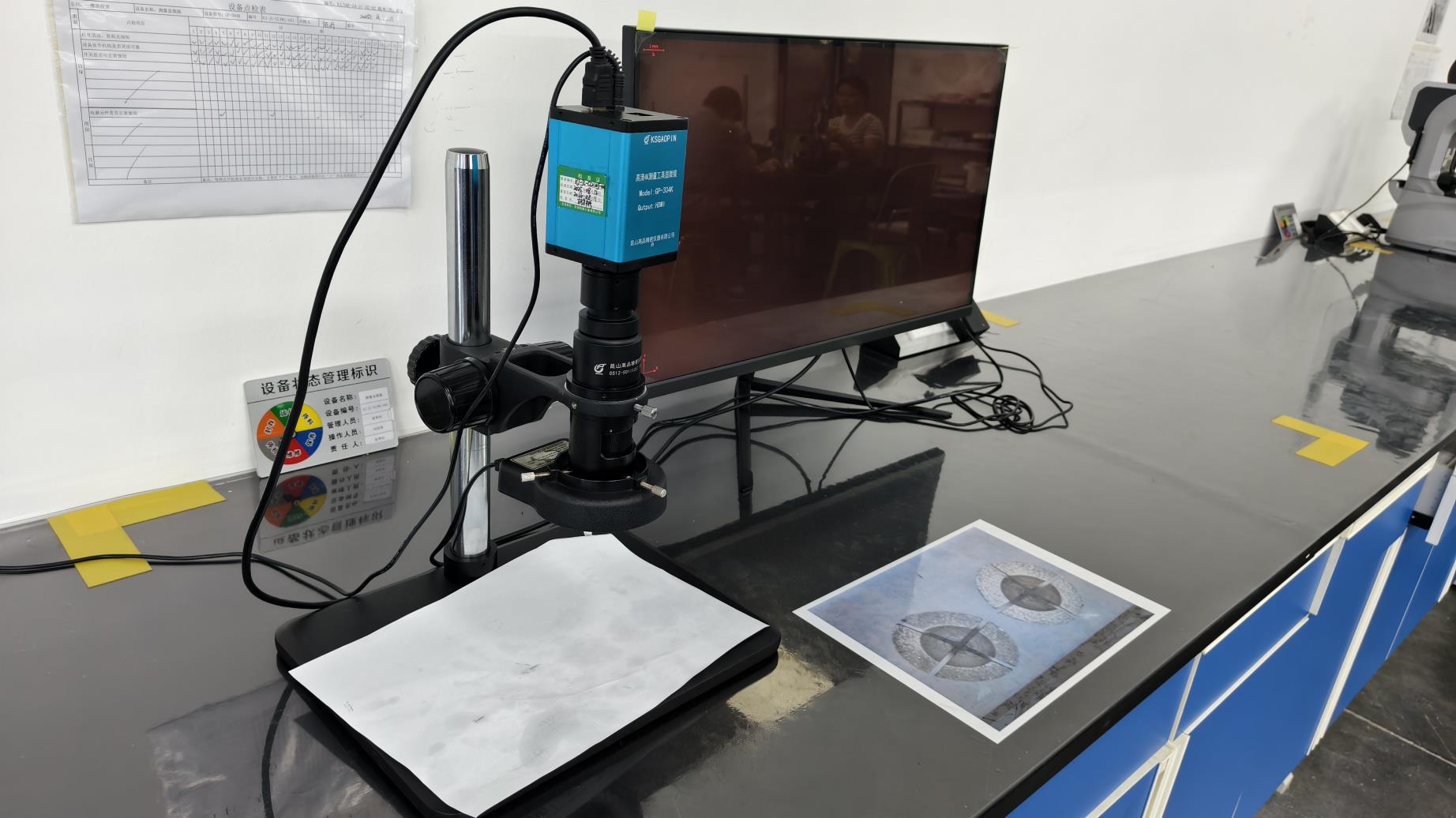
Testing Protocols: Ultrasonic cleaning verification, autoclave cycle testing (134°C for 20 minutes), and micro-optical alignment checks.

3. Global Procurement Trends: High Information Gain for B2B Purchasing Managers

Sourcing surgical micro-tweezers from China presents distinct competitive advantages for Brazilian procurement managers who require premium quality without the high markups associated with German or American brands.

  • Advanced CNC Switzerland-Style Grinding: Our manufacturing facility utilizes high-precision CNC multi-axis grinding. Unlike traditional hand-finished processes, computer-guided fabrication guarantees that tweezer tips align perfectly down to 0.05 mm tolerances. This level of precision is critical for capturing microscopic vessels and minimizing tissue trauma.
  • Eco-Friendly Electrochemical Polishing: Our electropolishing line removes micro-burrs and creates a passive chromium-oxide layer on stainless steel. This layer resists biological staining and maintains a mirror-like finish through hundreds of autoclave sterilization cycles.
  • Mercosur Tariff Codes (NCM) & Custom Support: We classify our products under NCM code 9018.90 (Instrumentos e aparelhos de medicina, cirurgia, odontologia ou veterinária). We provide custom commercial invoices matching Brazilian Receita Federal standards to prevent tariff delays and optimize the import tax structure.

4. Application Scenarios in Modern Brazilian Operating Rooms

These specialized instruments are built for high-stakes surgical applications across leading medical centers:

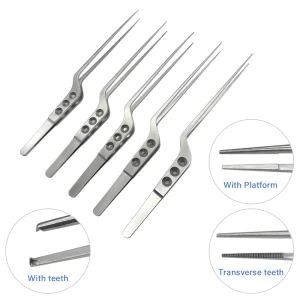
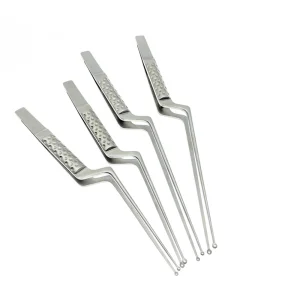
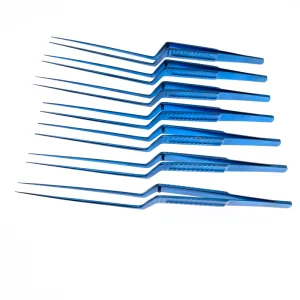
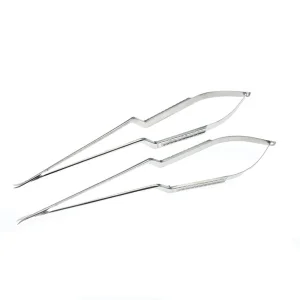
  • Micro-Neurosurgery: High-precision bayonet forceps (like our Z-Type Z-Forceps) allow surgeons to work comfortably under operating microscopes. The offset shape ensures line-of-sight is not blocked by the surgeon's hand.
  • Vascular Anastomosis: Micro-forceps with ultra-fine, non-magnetic tips are crucial for suturing vessels smaller than 1 mm in diameter. They prevent vascular wall tearing during cardiac bypass surgeries in public and private hospitals.
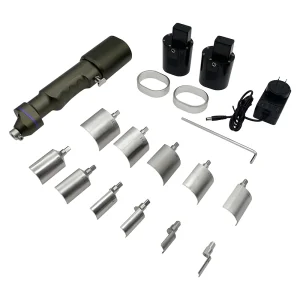
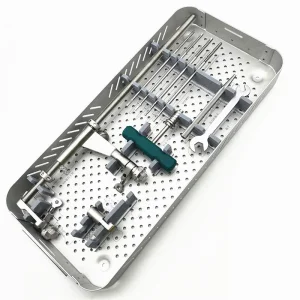
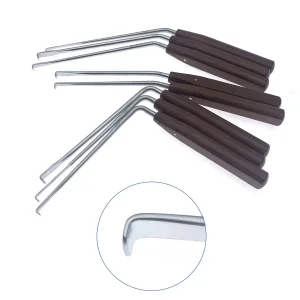
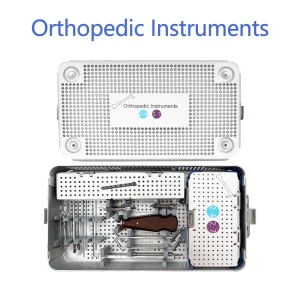
  • Veterinary TPLO & Joint Reconstructions: The rapid growth of veterinary orthopedics in Brazil has created a demand for high-durability bone saws and reduction kits. These systems enable veterinary surgeons to perform complex Tibial Plateau Leveling Osteotomy procedures safely and efficiently.

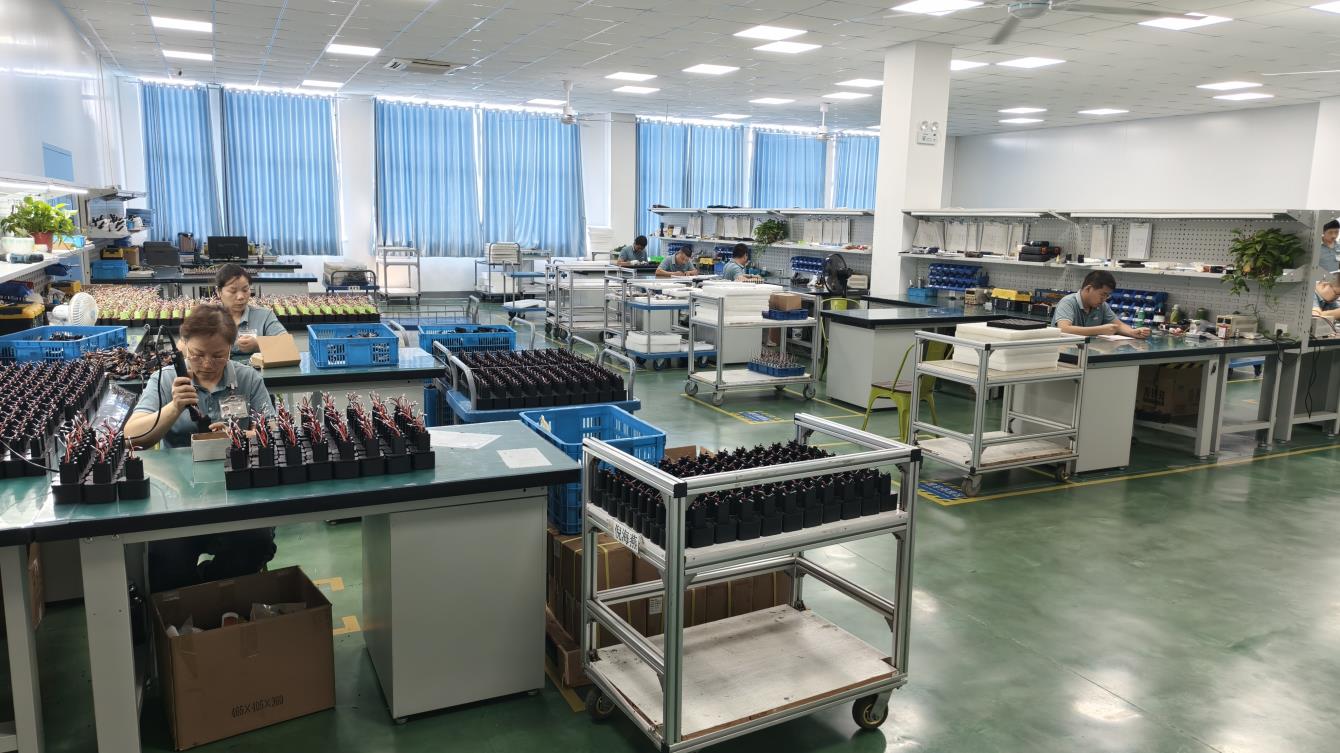
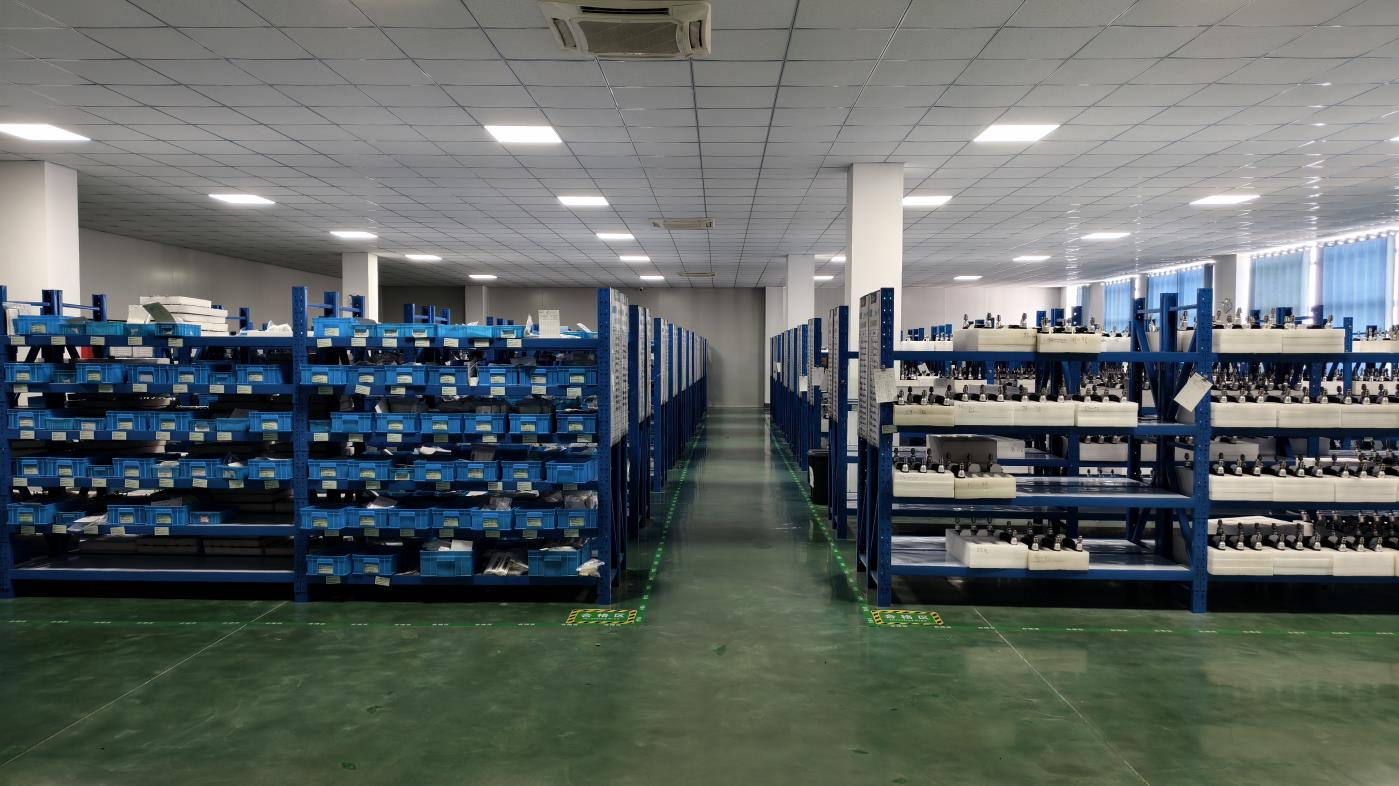
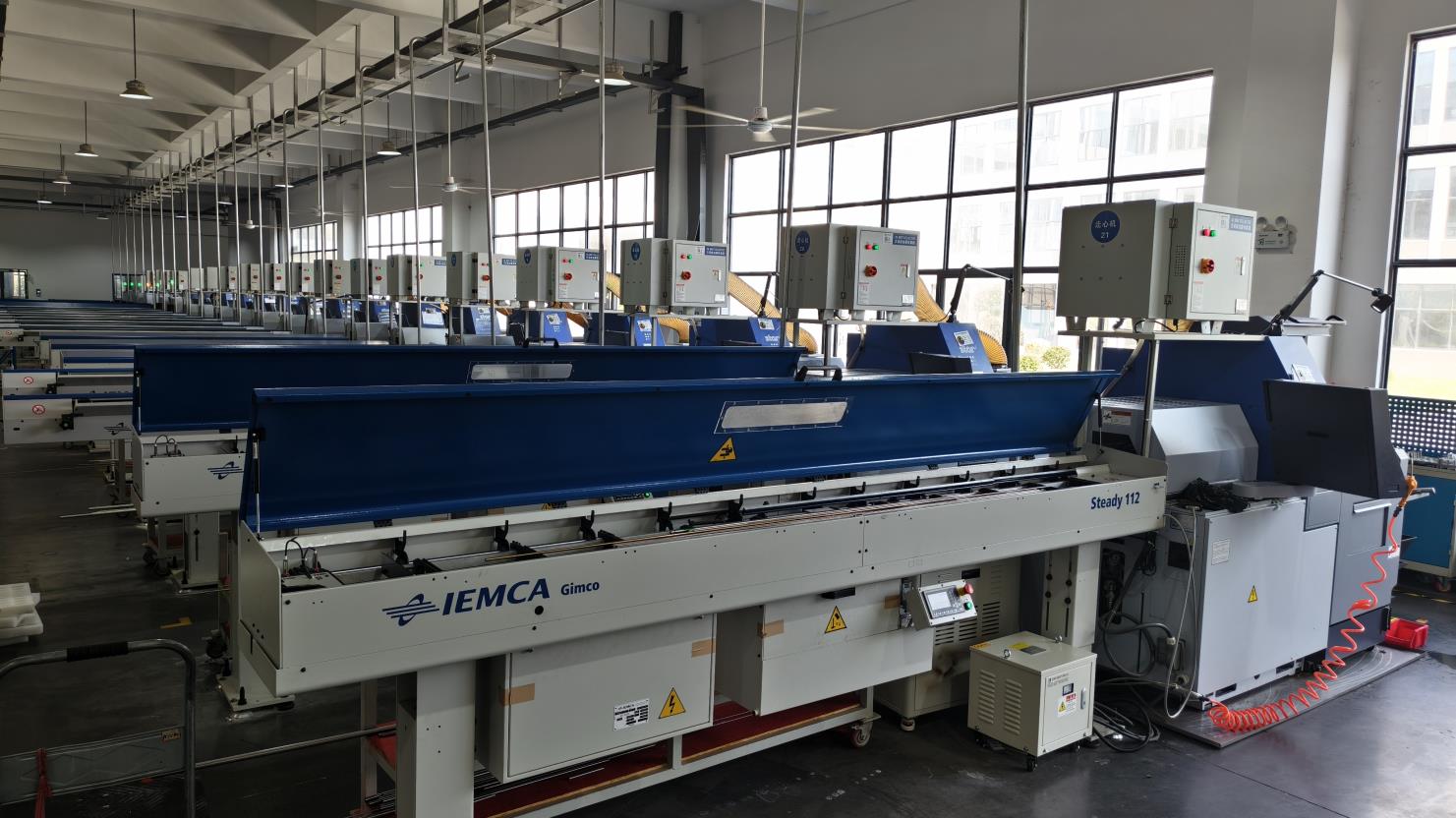
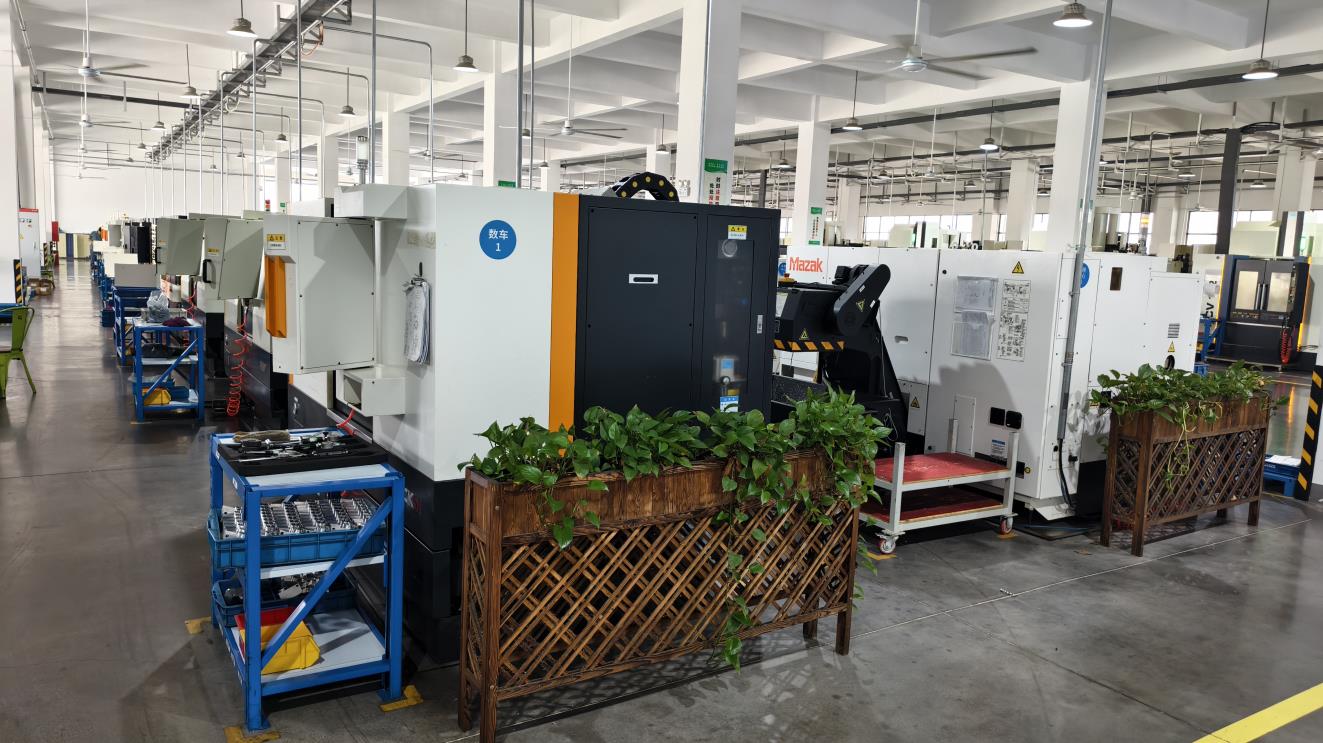
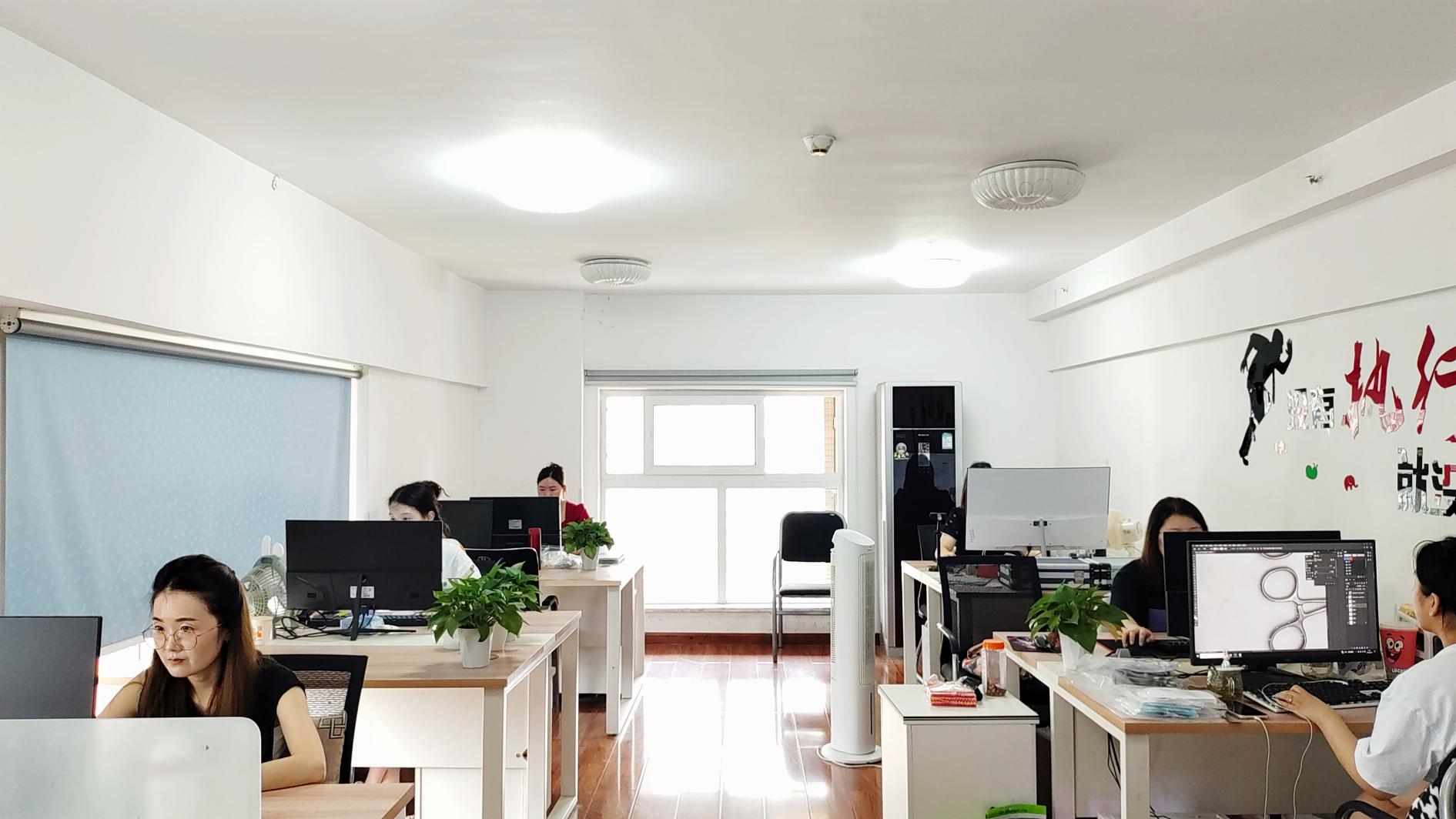
Factory Facilities & Quality Assurance Realities

A transparent look at our production floor, materials warehouse, and meticulous testing lines.
Frequently Asked Questions: Sourcing Surgical Instruments for Brazil

Clear, professional compliance and logistics information for Brazilian distributors and importers.

Can you provide the documents required for ANVISA registration?

Yes. We support our Brazilian partners by providing ISO 13485 Certificates, Free Sale Certificates (FSC), biological evaluation reports (ISO 10993 compliance), and complete mill test certificates for both titanium and stainless steel raw materials. These align with the documentation requirements of RDC 665/2022.

What are the standard NCM codes and import duties for your tweezers and forceps?

Our surgical tweezers, bayonet forceps, and microsurgical scissors are classified under NCM 9018.90.99 (Outros instrumentos e aparelhos de medicina, cirurgia). Veterinary instruments and general surgical hand tools are classified under NCM 9018.90. We supply standardized commercial invoices and packing lists to ensure correct customs tariff applications.

What is the Minimum Order Quantity (MOQ) for custom OEM orders for Brazil?

For standard surgical instrument models with custom laser-marked branding (OEM), our MOQ starts at 50 pieces per model. For complete custom tooling or custom-designed tips, our technical team works from your CAD drawings or physical samples, with MOQs determined after a feasibility review.

How do you ensure the anti-corrosion properties of your surgical instruments during ocean transport to South America?

Ocean transit to Brazil (Santos, Paranaguá, Rio Grande) involves exposure to high humidity. All our instruments undergo a complete passivation process that forms a protective layer. We package the instruments in sealed, medical-grade plastic barriers with moisture desiccant packs, and box them in heavy-duty shipping cartons to prevent oxidation during transit.

Do you offer sterilization-ready packaging options?

Yes. We offer single-use sterile packaging (EO sterilization) or non-sterile packaging options. Non-sterile instruments are thoroughly cleaned in ultrasonic baths before packaging and are designed to withstand autoclaving (134°C) without losing tip alignment or surface integrity.

Ready to Streamline Your Surgical Instrument Supply Chain?

Partner with an ISO 13485 certified manufacturer experienced in the Brazilian regulatory landscape. Request a quote or request customized samples today.

Send Inquiry Now