CE Certified Bone Drilling Equipment: The Definitive Procurement and Regulatory Whitepaper for Global Surgical Suppliers & Healthcare Institutions
Evaluating clinical biomechanical safety, ISO 13485 manufacturing systems, raw material traceability, and regulatory compliance frameworks for global surgical distribution.
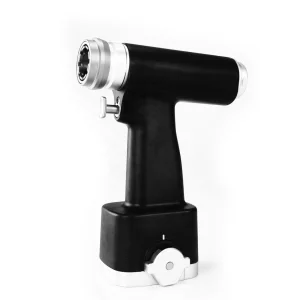
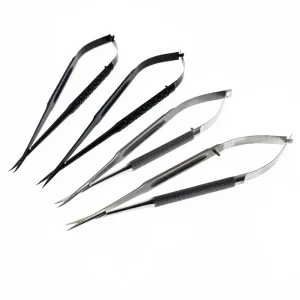
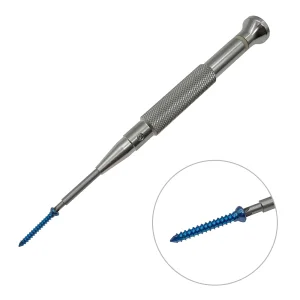
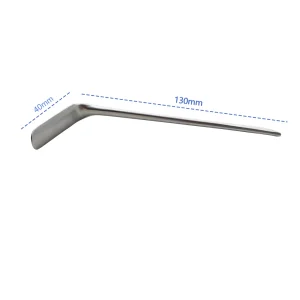
Featured Surgical-Grade Bone Drills & Supporting Orthopedic Instruments
Engineered for high mechanical reliability, thermal control, and complete autoclave compatibility in demanding clinical environments.
Module 1: Global Demand Dynamics & Regional Procurement Analysis
The global market for orthopedic power tools and bone drilling systems is experiencing rapid technological evolution, driven by the expansion of surgical volume, clinical shift toward minimally invasive techniques, and rising veterinary orthopedics demands. Global procurement departments must systematically balance technical specifications, regulatory safety parameters, and financial lifecycle costs.
Regional Demand Differentiation
Demand patterns for bone drilling systems and orthopedic instruments differ sharply by geographic region, influenced by local regulatory stringency and infrastructure capability:
North America (25% Market Share): Dominated by high-volume hospital purchasing networks and Ambulatory Surgical Centers (ASCs). Buyers prioritize intelligent features, high-torque capabilities, integration with surgical navigation systems, and compliance with strict FDA Class II clearances. There is also a strong secondary demand for robust, highly reusable stainless steel hand instruments capable of withstanding hundreds of autoclave cycles without degradation.
South America (25% Market Share): Characterized by a dual public-private healthcare system where durability and versatility are paramount. Multi-functional systems that quickly transition between a standard drill, reamer, and oscillating saw are highly sought after to maximize return on capital investment. Suppliers who can guarantee CE certification and provide reliable local distributor support achieve substantial commercial advantages.
Southeast Asia (15% Market Share): Experiencing a significant surge in demand due to hospital expansion programs and the rise of orthopedic tourism. Buyers focus closely on unit economics, requiring robust clinical safety profiles (CE certified) combined with competitive production cost profiles.
Industry Trend: The clinical community is transitioning from older pneumatic systems (nitrogen-powered) to lithium-ion battery-operated brushless DC systems. Reusable handpieces must feature sophisticated ingress protection (IPX6 to IPX8) to survive harsh mechanical cleaning and autoclave cycles while maintaining electrical integrity.
Surgical-grade bone drilling equipment operates under extreme physical and chemical stress. Physical bone drilling generates frictional heat. If bone temperatures exceed 47°C (116.6°F) for more than one minute, local vascular structures collapse, leading to osteonecrosis (bone cell death). Consequently, drilling systems require precise speed-reduction gearboxes, highly concentric drill shafts, and specialized drill bit geometries to maximize cutting efficiency and heat evacuation.
Material Science Selection
The choice of alloy determines the clinical safety and structural longevity of the instrument. The raw materials used in our product portfolio are carefully specified:
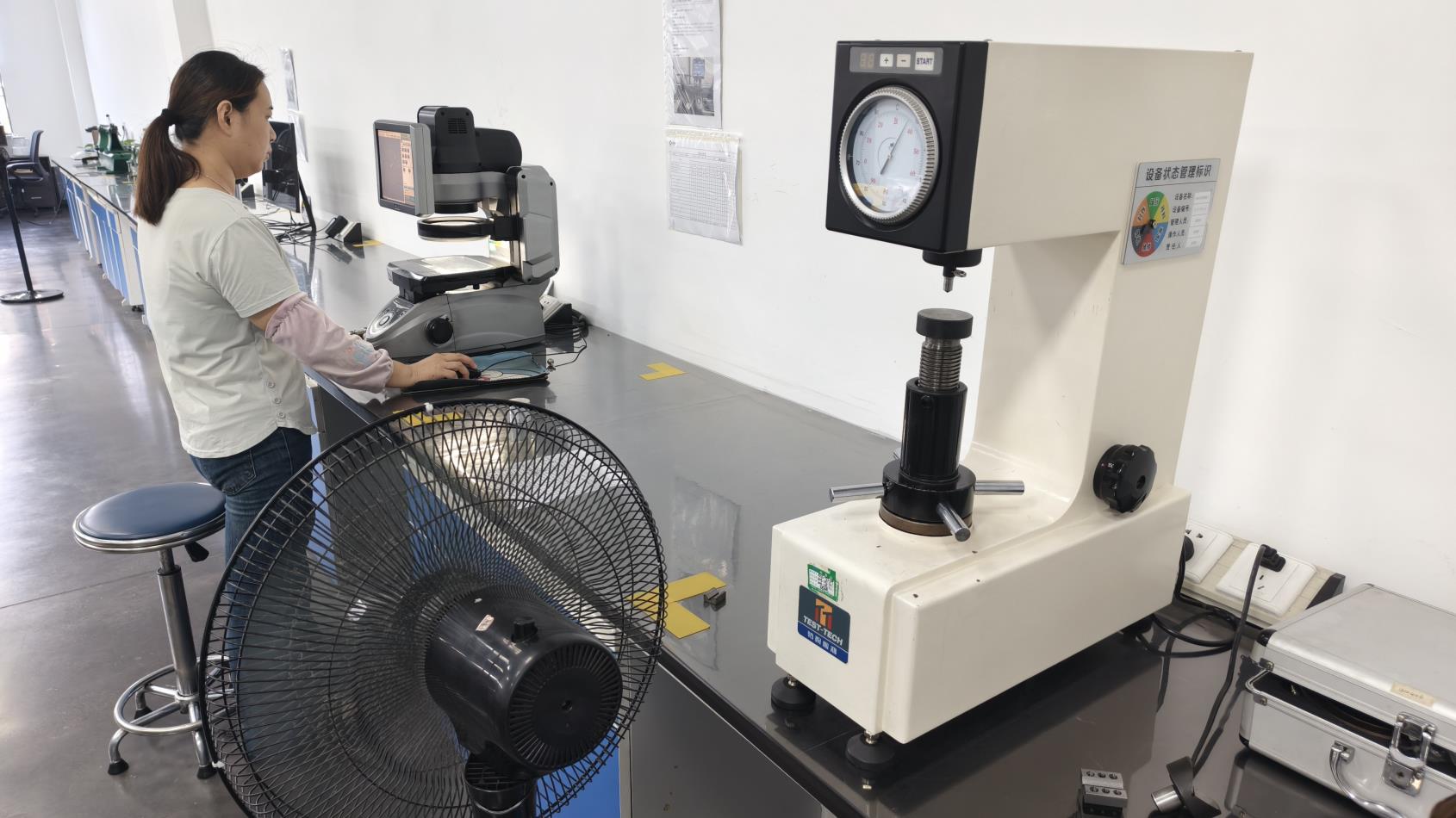
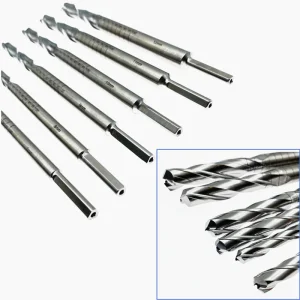
Martensitic Stainless Steel (e.g., AISI 420, 440C): Ideal for cutting edges, drill bits, and reamers (such as the Orthopedic Tibia Cannulated Drill Bit). These materials can be heat-treated to high hardness levels (typically 50-55 HRC), maintaining edge sharpness over multiple sterilization cycles.
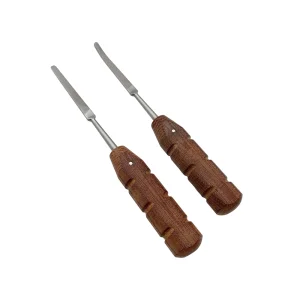
Austenitic Stainless Steel (e.g., AISI 316L): Highly corrosion-resistant and non-magnetic. Primarily used for guide pins, soft-tissue retractors, and handles (such as the VKTIMALL Bone Rasp File) where toughness and biocompatibility are prioritized over ultimate hardness.
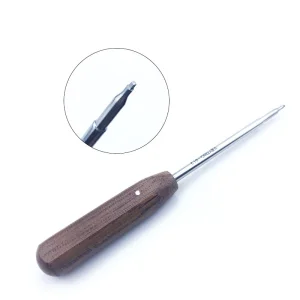
Titanium Alloys (Ti-6Al-4V ELI): Features excellent biocompatibility and high fatigue resistance. Extensively used in modern trauma bone plate installation systems, screwdrivers (such as the Titanium Alloy Skin Nail Screwdriver), and micro surgical accessories. Titanium exhibits minimal imaging artifacts during post-operative MRI or CT scans.
Steam Sterilization & Autoclave Engineering
All surgical instruments must withstand standard steam autoclave sterilization protocols: 134°C (273.2°F) at 2.2 bar pressure for a minimum of 4 to 18 minutes. Standard manufacturing techniques fail under these harsh thermal and moisture conditions, causing internal seal corrosion, battery terminal short-circuits, and lubrication breakdown. Certified suppliers deploy high-grade fluorocarbon rubber (Viton) O-rings, hermetically isolated motor chambers, and specialized water-resistant grease to guarantee hundreds of reliable autoclave cycles.
Technical Parameter
Clinical Requirement
Engineering Implementation
Rotational Speed (Drill Mode)
0 – 1200 RPM dynamic range
Micro-processor controlled brushless DC motors with stepless speed trigger mechanisms.
Rotational Speed (Ream Mode)
0 – 350 RPM high-torque range
High-reduction planetary gearboxes ensuring mechanical torque transfer up to 4.5 Nm.
Dual-housing thermal dissipation barriers using medical-grade PEEK and anodized aluminum.
Module 3: Enterprise Supplier Profile & Quality Control Infrastructure
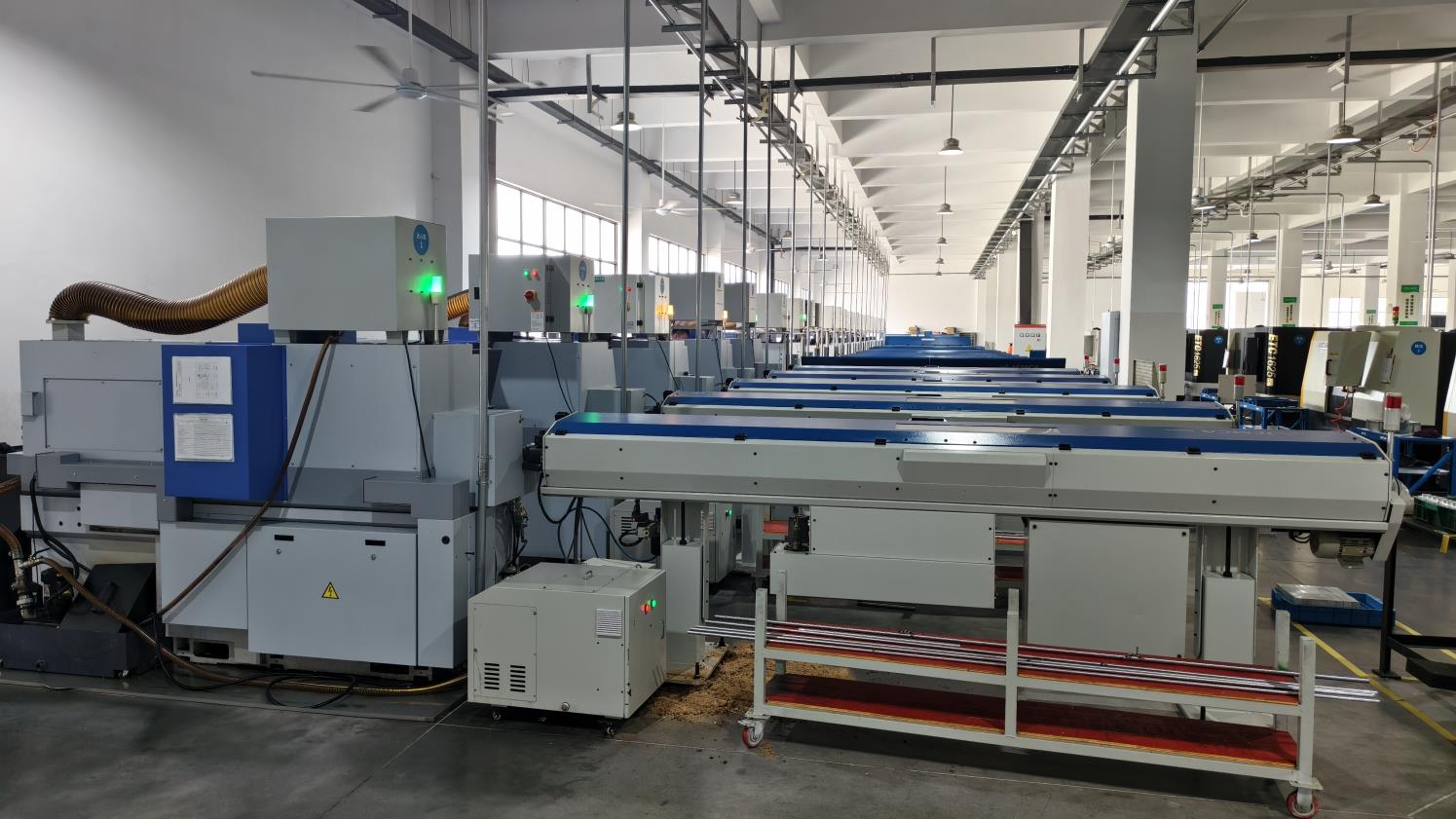
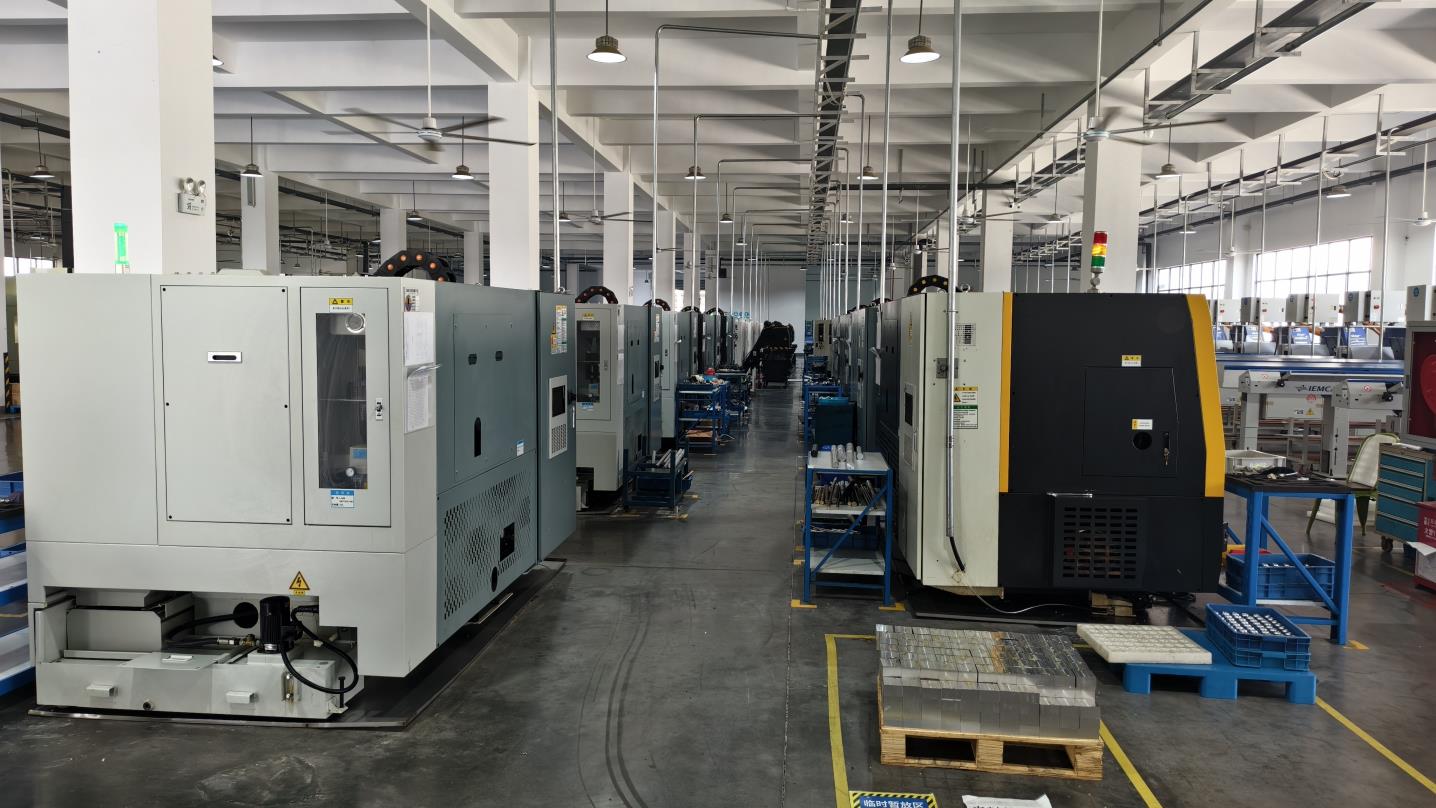
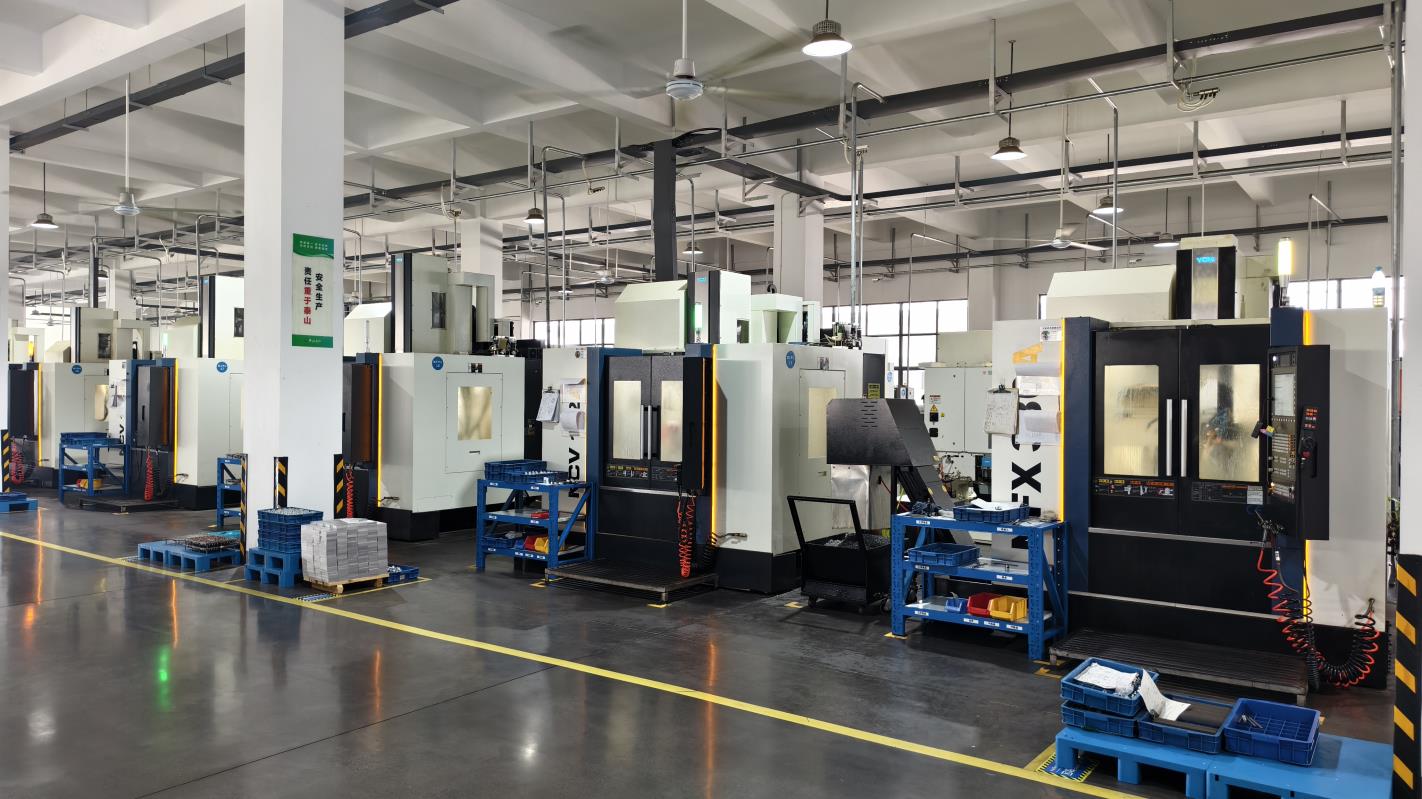
Enterprise buyers require supply chain clarity. Selecting an orthopedic manufacturing partner involves verifying their quality assurance infrastructure, engineering capabilities, and material supply chains.
Operations & HistoryEstablished 2019Over 6 years of focused medical manufacturing and international export experience.
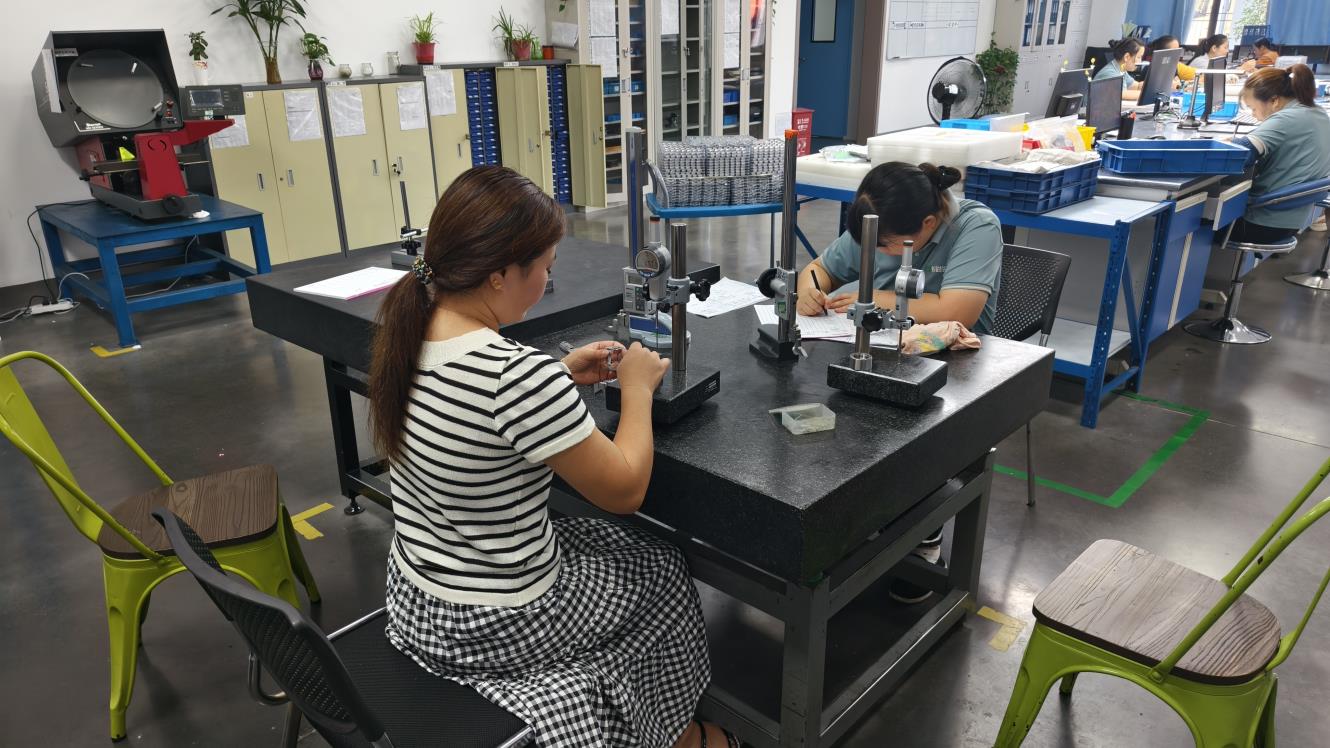
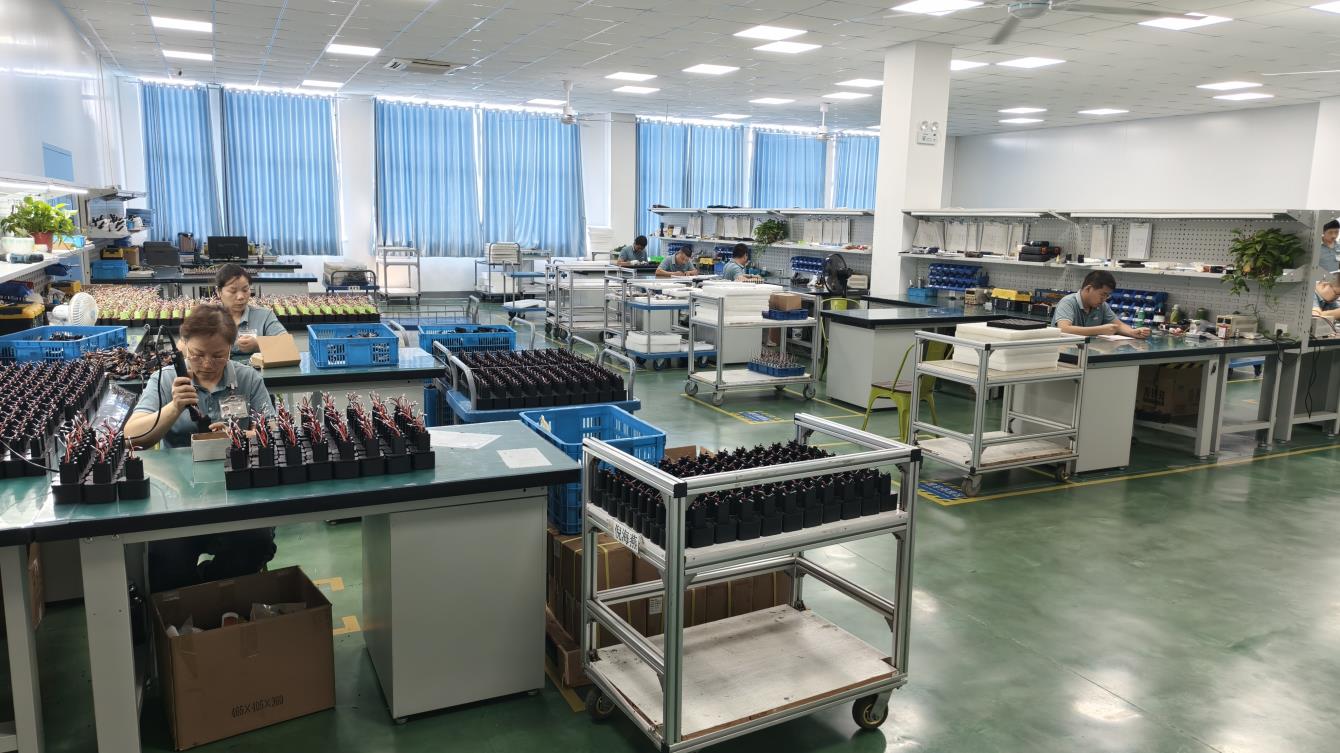
Quality Control Staff3 InspectorsFull-time QA/QC inspectors monitoring raw materials, in-process assembly, and final testing.
Global Exports50%+ AmericasCore markets: North America (25%), South America (25%), Southeast Asia (15%), and Europe.
Detailed Quality Management System
The manufacturing facility operates under strict quality protocols. Below are the key pillars of our manufacturing and supply operations:
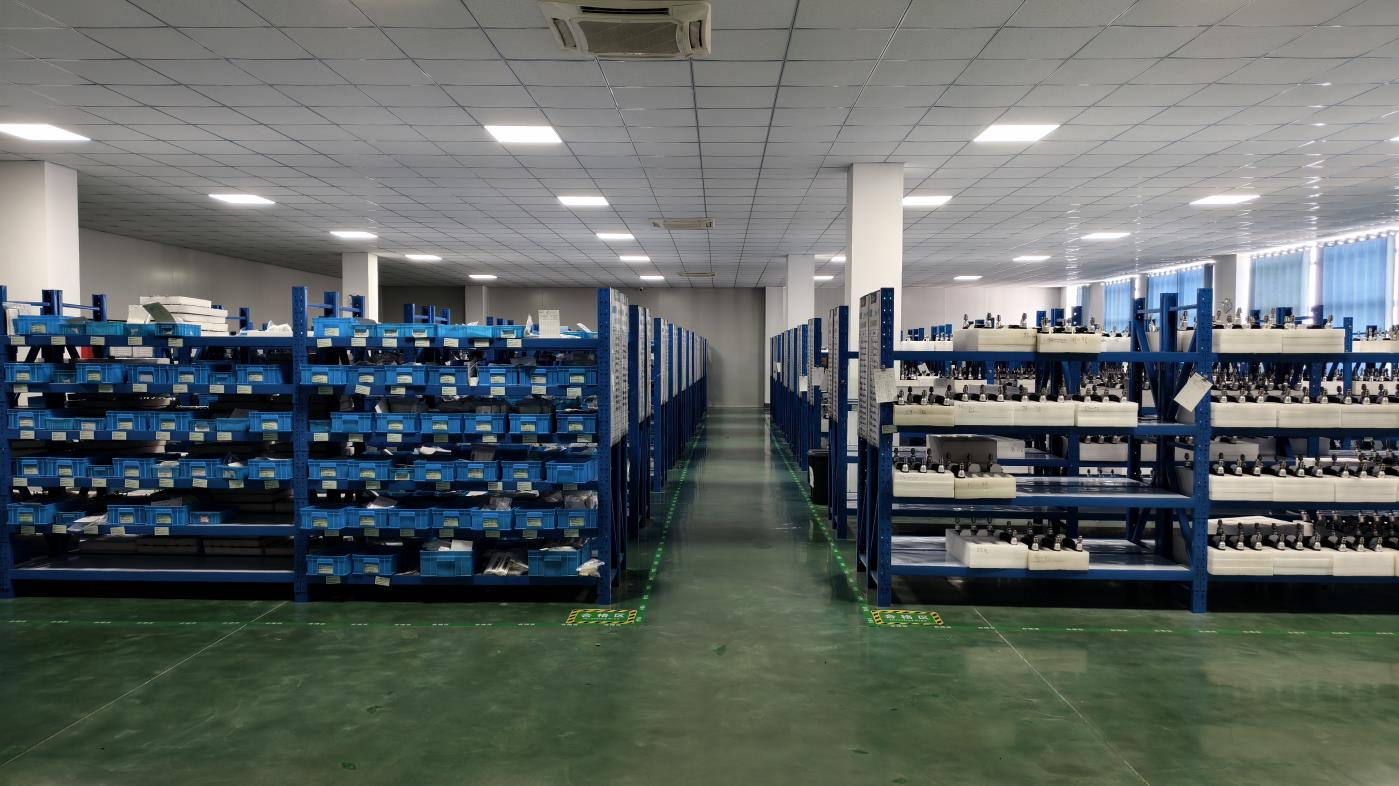
Raw Material Traceability: Every batch of medical stainless steel and titanium alloy is verified with mill test certificates. Traceability records link the raw bar stock to the finished product laser-etched serial numbers.
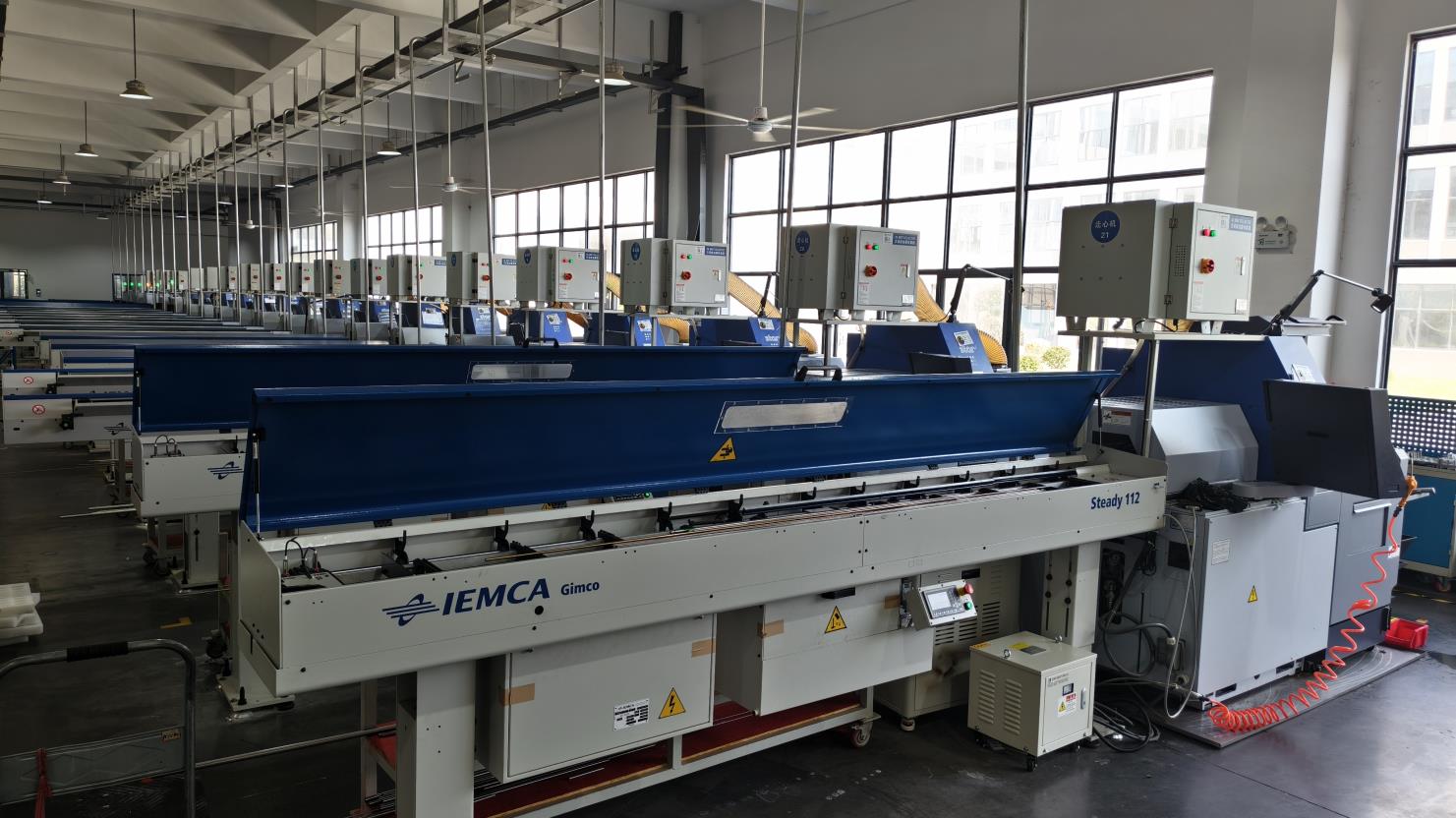
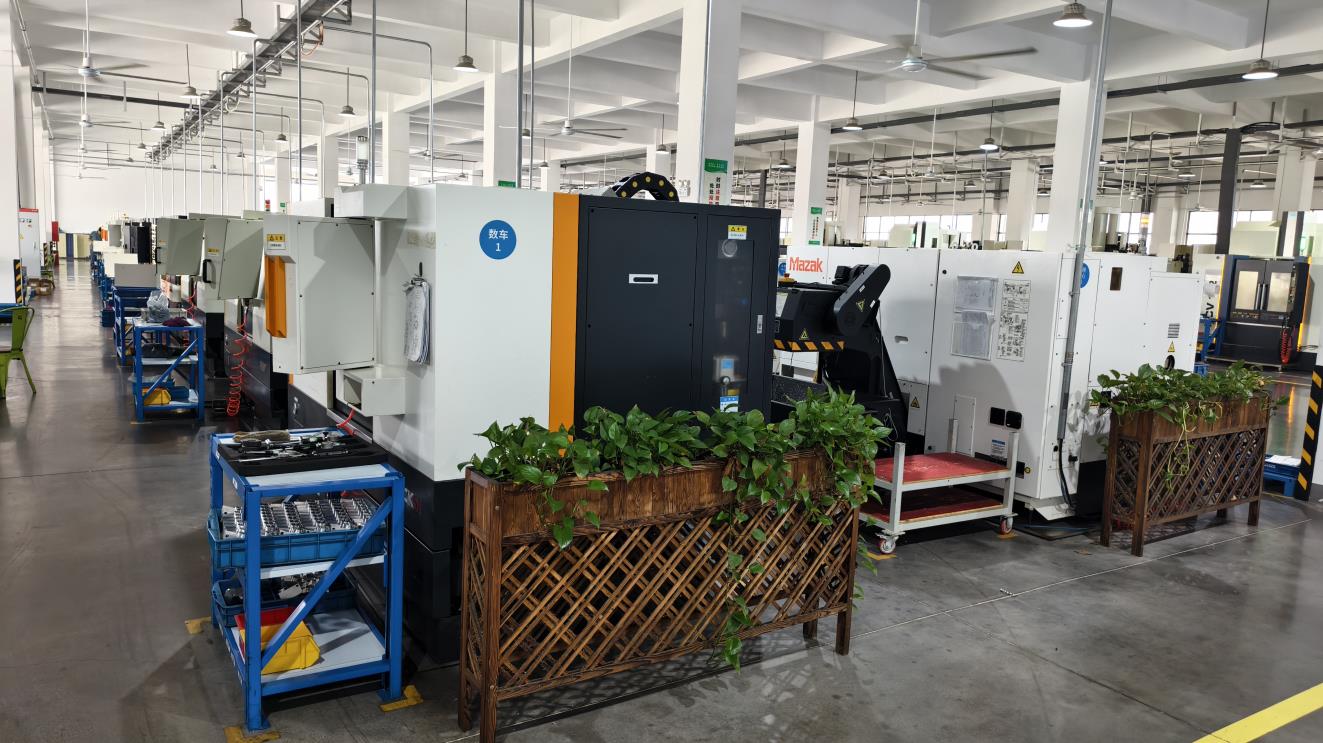
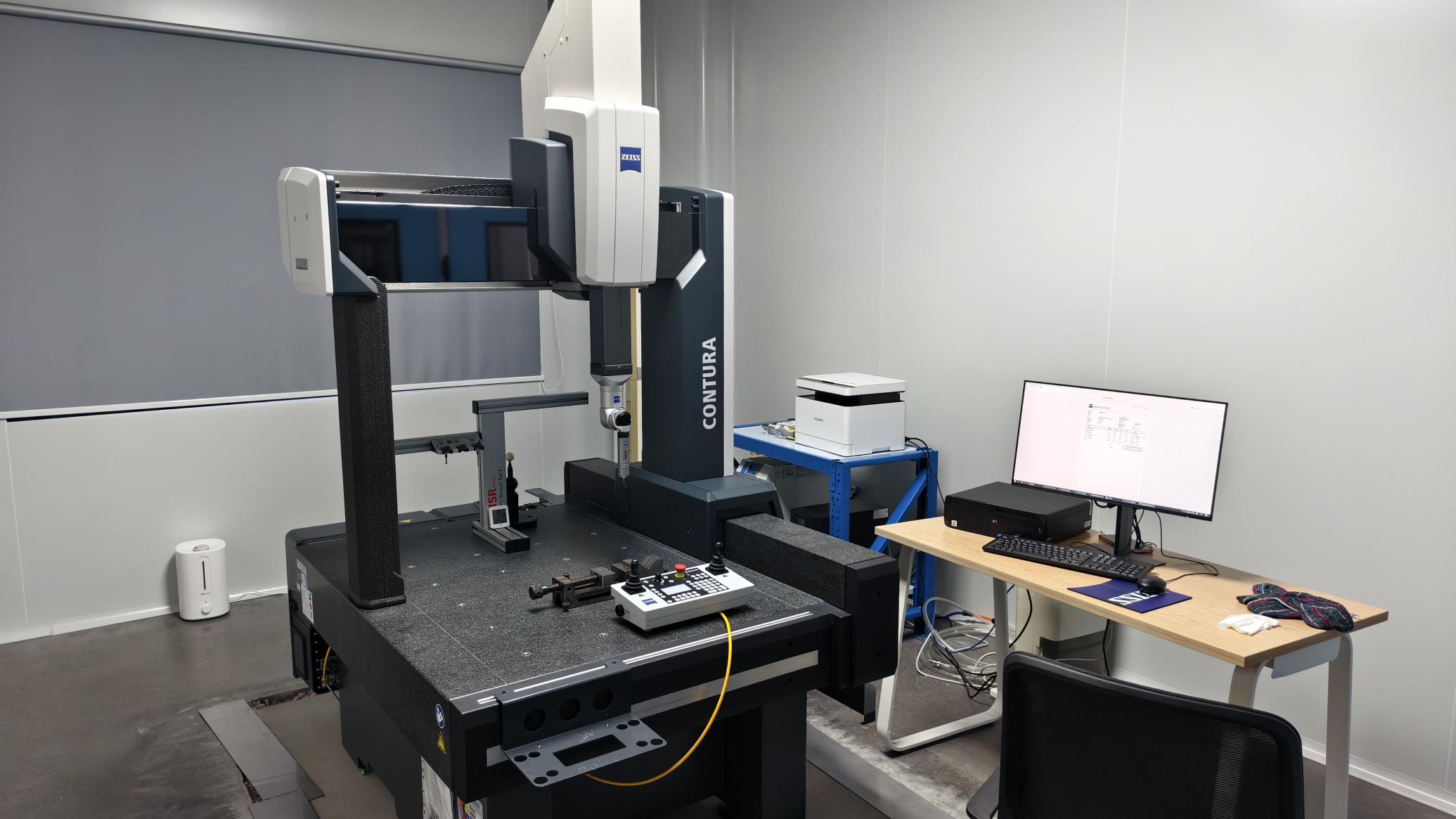
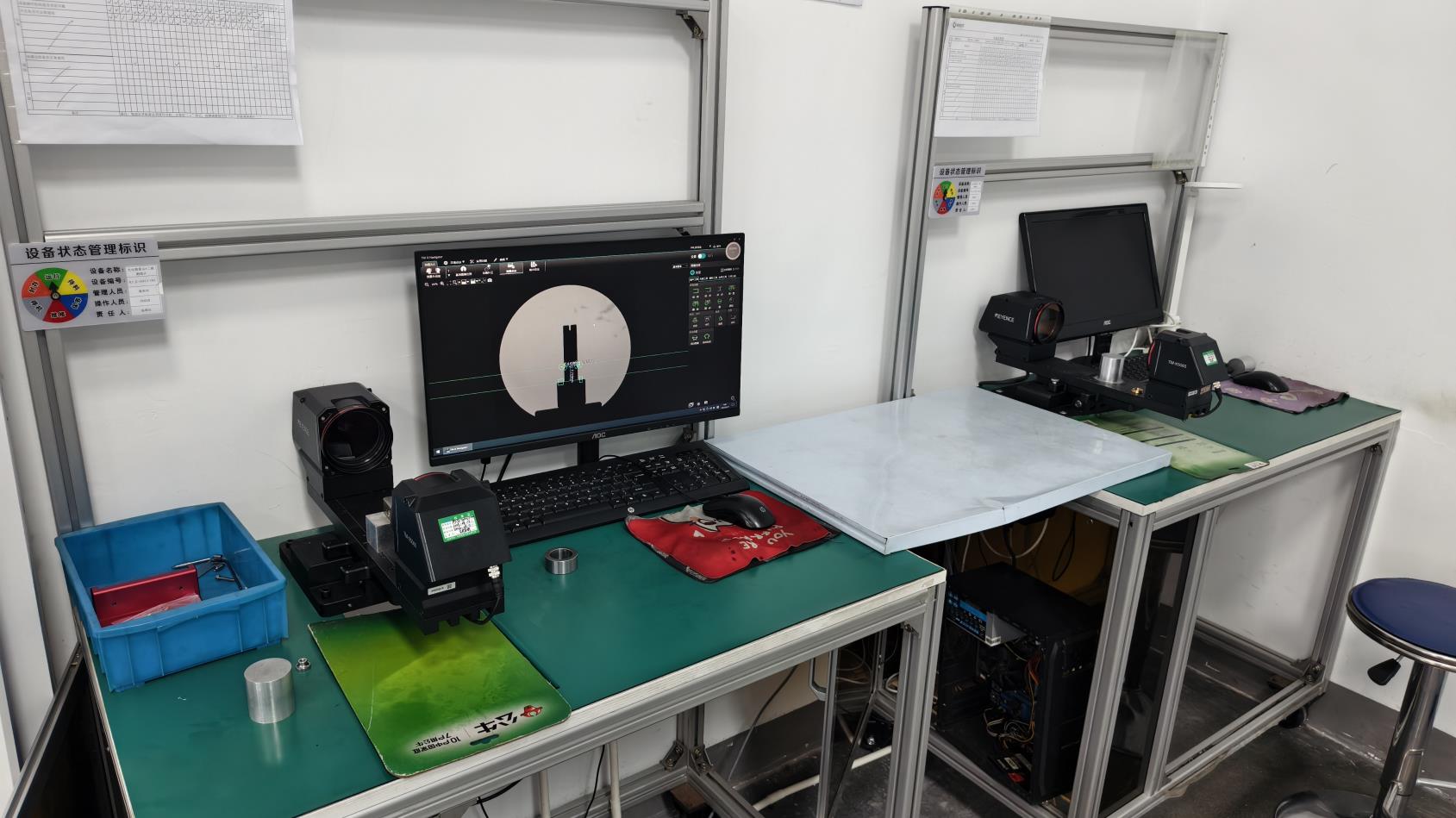
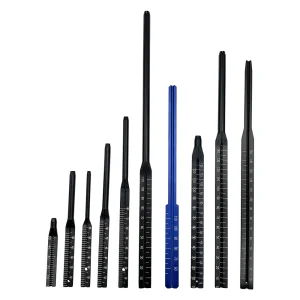
In-Process Inspection: Incorporates digital profile projectors and high-accuracy coordinate measuring machines (CMM) to verify tolerances down to the single micron. Critical components like screwdrivers (such as Orthopedics Screwdriver Sleeves) are tested for dimensional consistency.
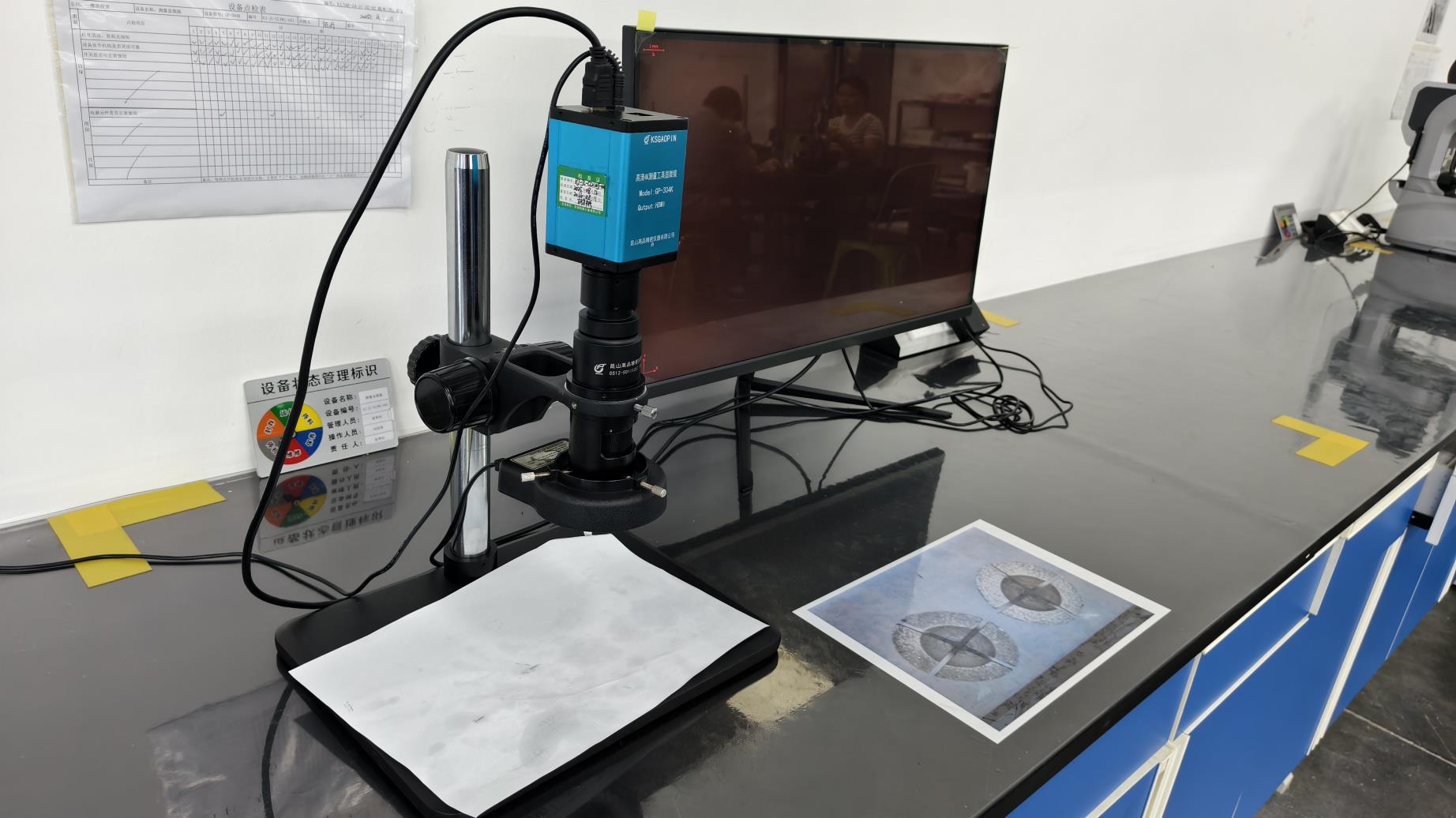
Final Testing and Performance Runs: Before packaging, 100% of powered instruments undergo run-in tests to check for abnormal vibrations, heat spikes, and electrical resistance. Random final audits are performed according to specific customer requirements.
Customization & OEM/ODM Capability: Offering robust custom engineering services, including sample processing, laser graphic engraving (branding), and bespoke design variations. We routinely manufacture specialty surgical guides, such as the Sports Medicine Meniscus Guide, for private label brand owners.
Module 4: Clinical Applications in Human and Veterinary Orthopedics
Bone drilling and cutting systems must adapt to different bone structures. The mechanical demands of drilling human cortical bone are distinct from those encountered in small animal veterinary surgeries.
Human Orthopedics Applications
Human orthopedic procedures require tools optimized for specific bone densities and anatomical locations:
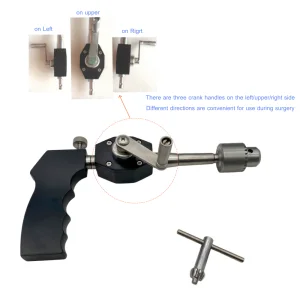
Trauma & Joint Arthroplasty: Large bone procedures (such as total hip and knee replacements) require high-power surgical drills (e.g., Multifunctional Bone Drill System). Concentric drilling ensures precise pilot holes for cortical and cancellous screws.
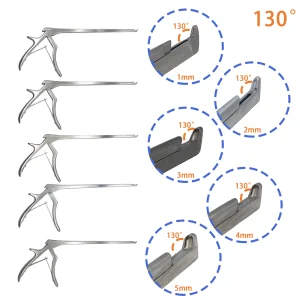
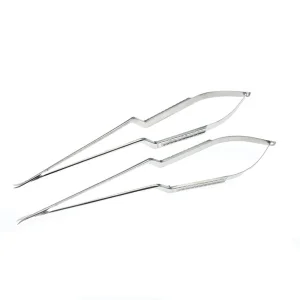
Spine and Neuro-decompression: Spinal surgeries require highly precise instruments, including Kerrison Rongeur forceps (such as QSWTITAN Kerrison Rongeurs) and specialized microsurgical scissors (such as Micro Scissors) to operate safely near nerve tissue.
Veterinary orthopedics has grown rapidly, driven by complex procedures like TPLO (Tibial Plateau Leveling Osteotomy) and fracture fixation in small animals. Veterinary bone structures are delicate, requiring specialized designs:
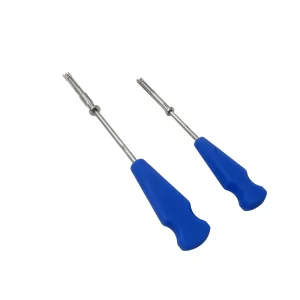
Micro-sized Instrumentation: Small animals require bone screw systems ranging from 1.2mm to 2.0mm. Precision screwdrivers (such as Bone Screwdriver Square Head) must feature accurate slip-proof tips to prevent damage to small screw heads.
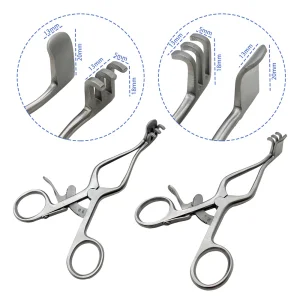
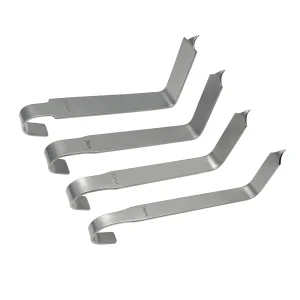
Soft Tissue Protection: Specialty self-retaining retractors with baffles (such as QSWTITTAN Retractors) protect small muscle bundles and nerves during orthopedic surgical exposure.
Module 5: Tech Roadmap, Digital Integration, and R&D Directions
The next generation of medical bone drilling equipment will integrate advanced electronics and smarter mechanical features to improve clinical outcomes and simplify inventory management.
Intelligent Mechanical Features
Research and development in bone drilling focuses on safety and automation:
Dual-Cortex Breakthrough Detection: Smart drill handpieces measure mechanical resistance (torque and axial thrust force) in real time. The controller detects the transition from hard cortical bone to the outer layer, automatically stopping rotation to prevent damage to soft tissues beyond the bone.
Brushless DC (BLDC) Motor Optimization: Incorporating advanced sensorless motor controllers. By removing physical Hall sensors, the motor becomes more robust against the high heat and humidity of steam sterilization.
Robotic and Navigation Connectivity: Drills are designed with mounting points for optical and electromagnetic tracking markers. This allows real-time position tracking when paired with surgical navigation systems during spine and joint reconstruction.
Module 6: Regulatory Compliance, CE Certification & Global Market Entry
Placing medical devices on the international market requires meeting strict regulatory standards. The CE mark serves as a key indicator of conformity with European safety and health requirements.
The Shift to EU MDR (2017/745)
The European Union Medical Device Regulation (MDR) has replaced the older Medical Device Directive (MDD 93/42/EEC). For importers and distributors of bone drills, this update changes how compliance is managed:
Device Classification: Powered surgical instruments are generally classified as Class IIa or Class IIb active surgical devices. Compliance requires audit procedures managed by a registered Notified Body.
Unique Device Identification (UDI): Under MDR rules, every surgical instrument must carry a UDI code (typically laser-etched directly on the metal). This code tracks the device through the supply chain and is logged in the EUDAMED database.
Post-Market Surveillance (PMS): Manufacturers must establish a continuous monitoring plan to track the clinical performance of their devices and report any technical issues.
B2B Procurement Risk Management
International buyers should request and review the following documentation prior to bulk shipment clearance:
Declaration of Conformity (DoC): A document issued by the manufacturer confirming compliance with all applicable European directives (such as MDR 2017/745 and RoHS).
ISO 13485 Certificate: Verifies that the manufacturing site operates a quality management system specifically audited for medical devices.
Biocompatibility Evaluation Reports: Under ISO 10993-1, documents showing that patient-contacting parts (such as drill bits and guide pins) are non-toxic, non-irritating, and safe for clinical use.
Precision Instruments for Specialized Orthopedic Interventions
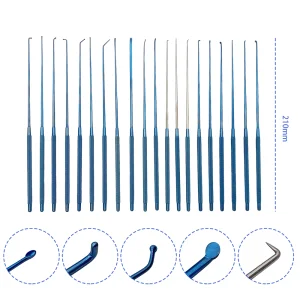
A comprehensive portfolio of hand tools, guides, and retractors to support surgical drilling workflows.
Expert clarifications regarding technical parameters, ordering procedures, and regulatory requirements.
1. What specific CE class do your bone drills and orthopedic instruments fall under?
Manual surgical instruments (such as scalpels, forceps, retractors, and manual drills) are generally classified as Class I medical devices under EU MDR guidelines. Active, powered surgical instruments (such as the Multifunctional Orthopedic Electric Drill System) are classified as Class IIa or Class IIb active medical devices, which require conformity audits managed by an authorized European Notified Body.
2. How is raw material traceability verified for international medical audits?
We maintain complete raw material traceability as required by ISO 13485. Every incoming batch of stainless steel or titanium alloy is supplied with a Mill Test Certificate (MTC) detailing its chemical composition and mechanical properties. These batches are logged into our ERP system and linked to production runs. Finished products are marked with unique laser-etched batch numbers to trace them back to the original raw material melt.
3. Can the bone drill systems and orthopedic tools be customized for OEM/ODM clients?
Yes, we offer comprehensive OEM and ODM services. Our design team can process custom samples, develop products based on graphic design files, and manufacture custom instruments to match specific surgical requirements. We also offer custom branding options, including private label laser marking and specialized packaging configurations.
4. What are the specific steam sterilization parameters for the autoclavable drills and tools?
All our non-powered surgical-grade stainless steel and titanium instruments are fully autoclavable using standard parameters: 134°C (273.2°F) for 4 to 18 minutes in pre-vacuum sterilizers. For powered surgical drills, the motor handpiece is fully autoclavable, but the battery pack must be detached and sterilized using specific low-temperature methods or protected by sterile transfer shields, depending on the model's design.
5. What is the standard lead time, and how is supply chain continuity managed?
Standard lead times range from 15 to 30 days for stock configurations, and 45 to 60 days for custom orders. We work with established international logistics partners to coordinate sea, air, and express shipping, helping to ensure smooth customs clearance and consistent delivery schedules.
6. How do you manage the difference between human and veterinary instrument classifications?
While human surgical instruments must meet strict medical device registration requirements (such as CE MDR and FDA 510k), veterinary instruments (such as the Veterinary Bone Screwdriver) are subject to different regulatory structures depending on the destination country. To support clinical safety, we manufacture our veterinary instruments on the same production lines as our human-grade products, using identical medical-grade stainless steel and titanium alloys.
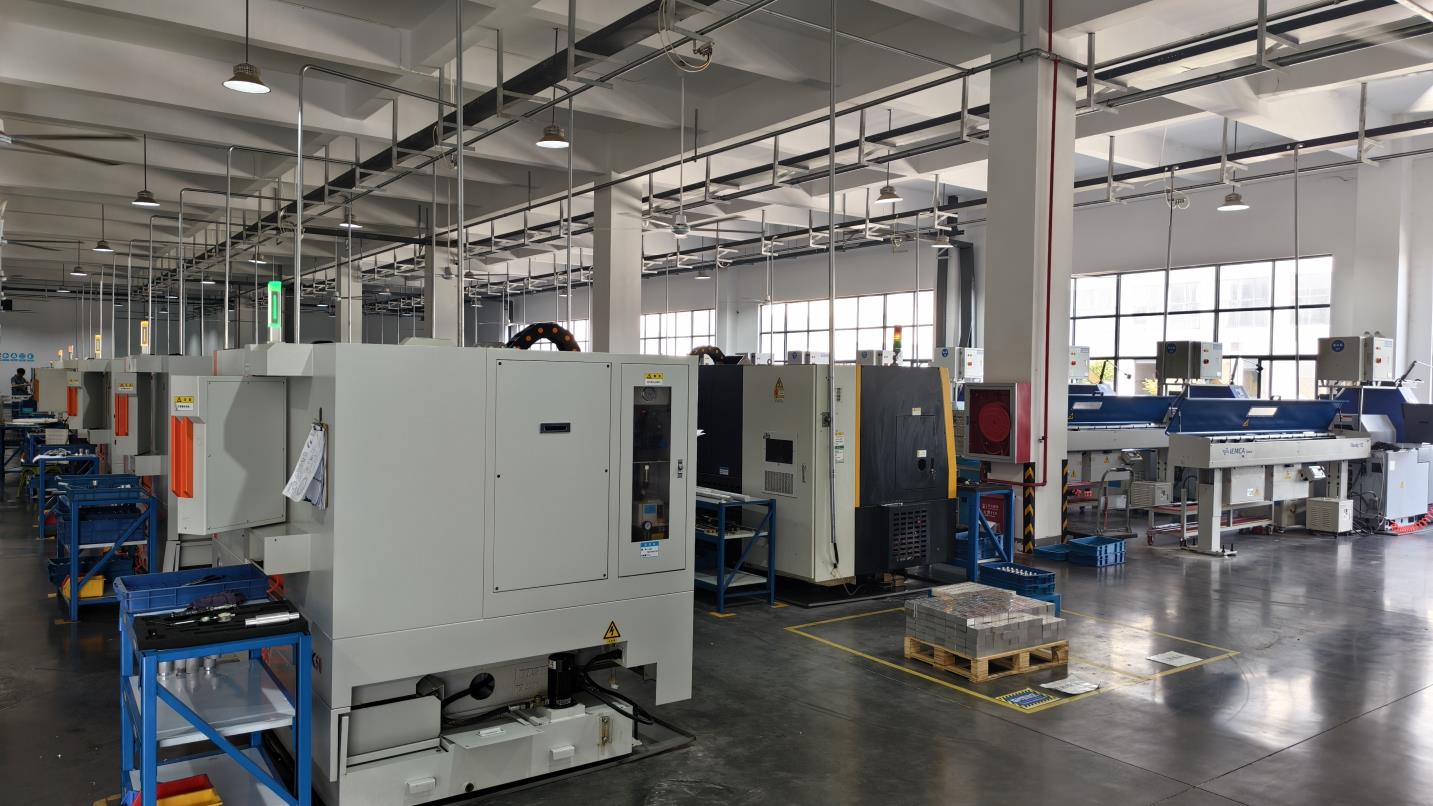
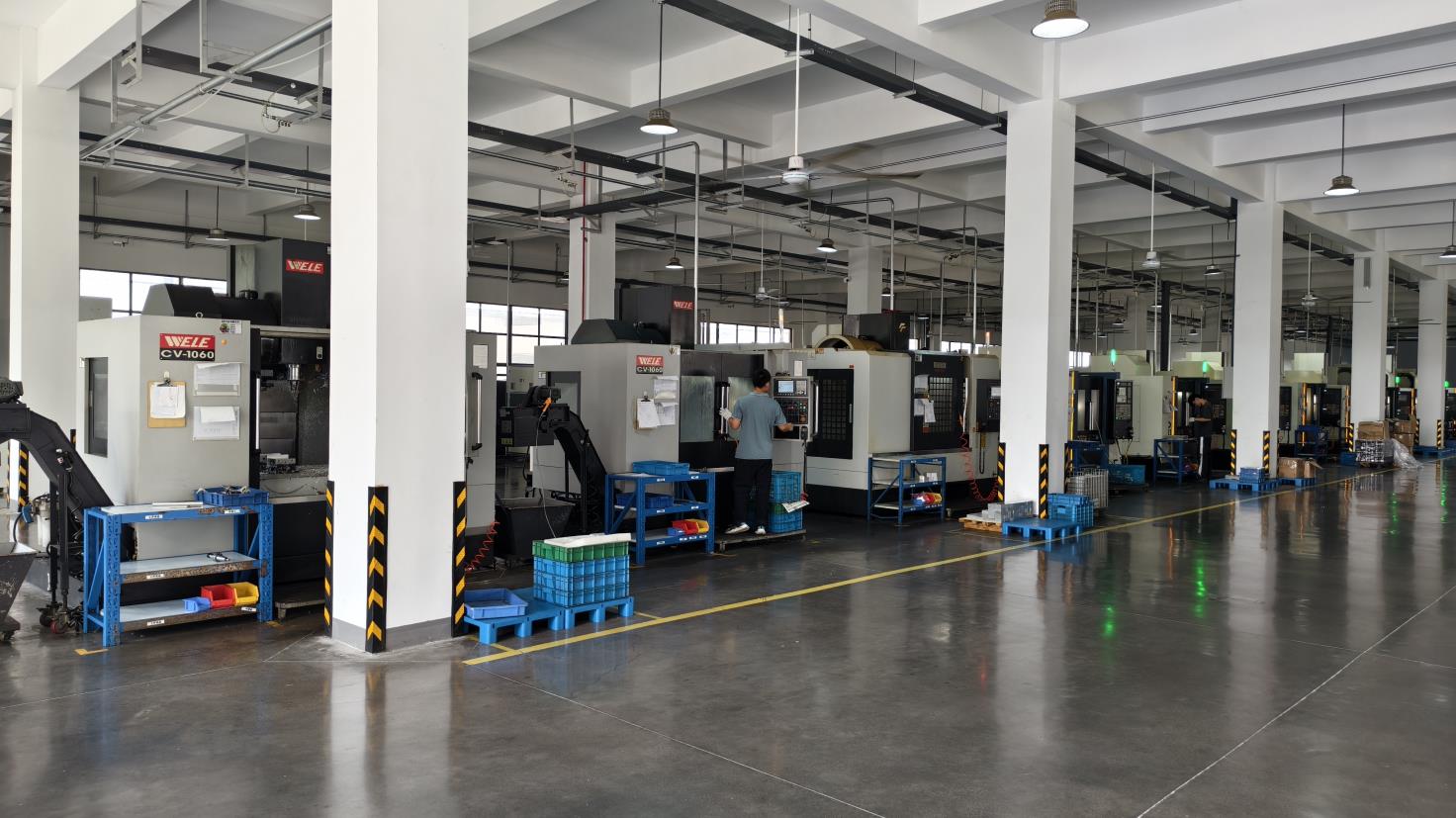
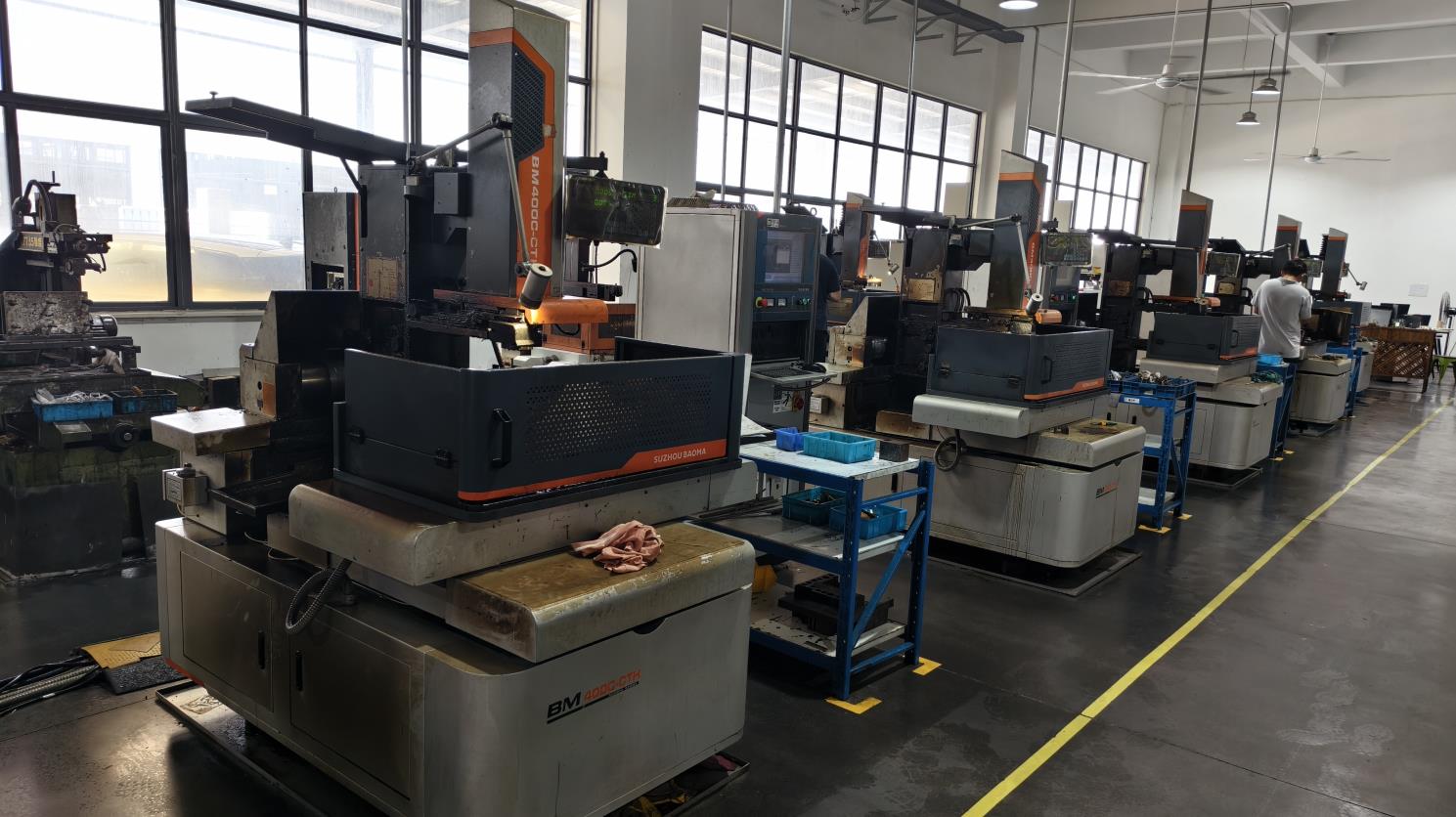
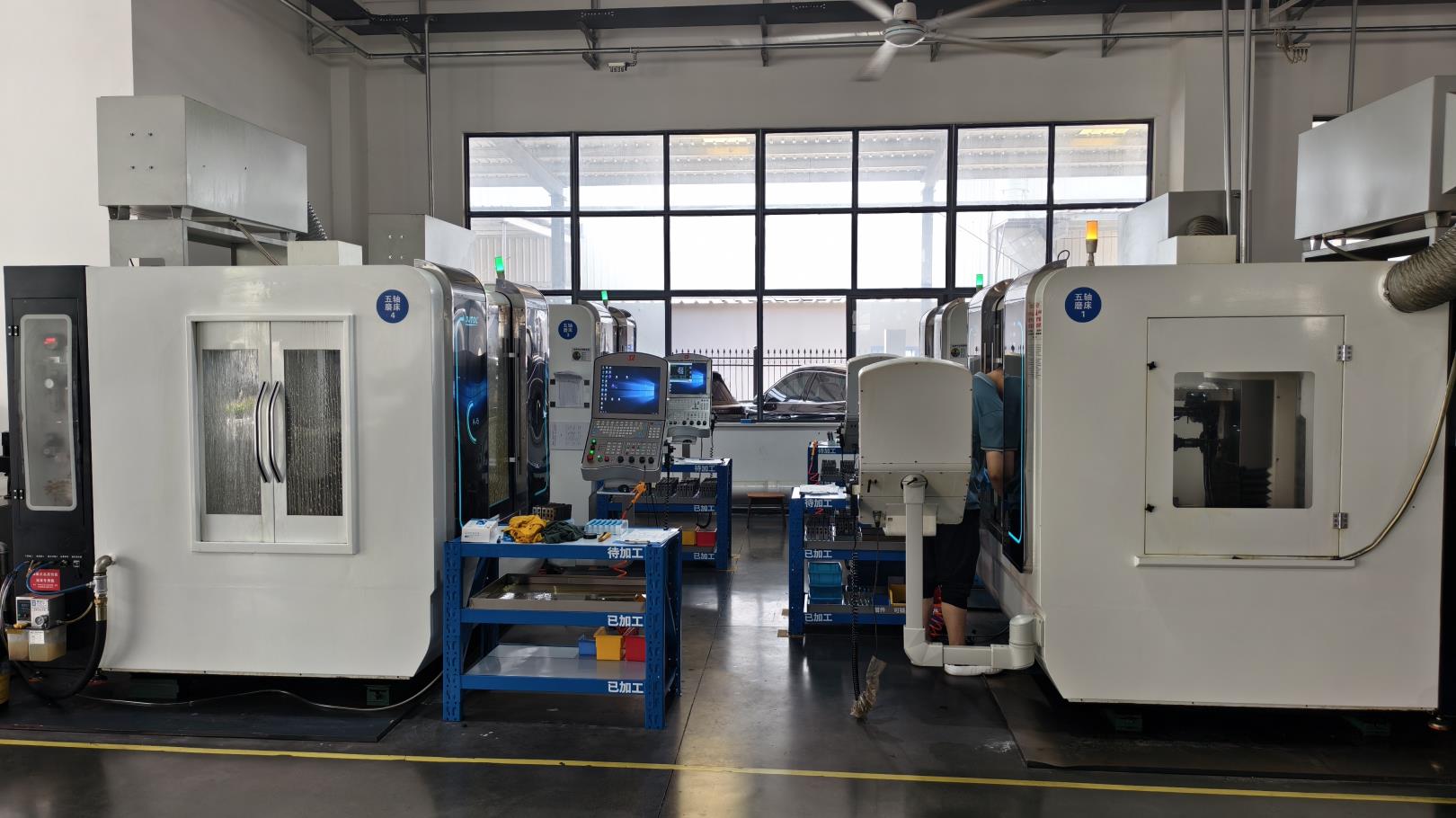
Factory Facility & Quality Testing Showcase
An inside look at our manufacturing facilities, assembly lines, and quality verification processes.
 SENJIE Healthy & Technology