SENJIE Healthy & Technology
SENJIE Healthy & Technology
SENJIE Healthy & Technology
Precision Engineering, Regulatory Excellence, and Global OEM/ODM Solutions for Surgical and Veterinary Orthopedics.
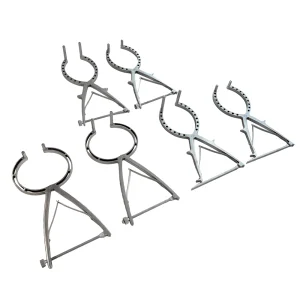
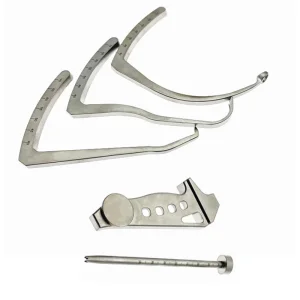
Explore our leading surgical tools and orthopedic accessories designed for human clinical standards and veterinary anatomy.
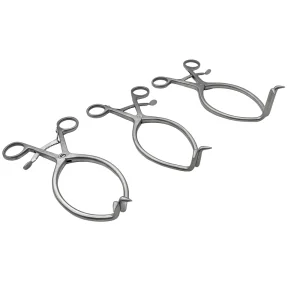
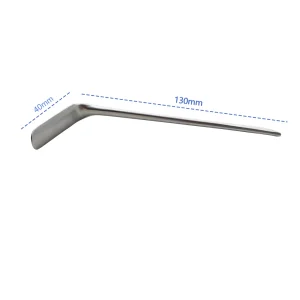
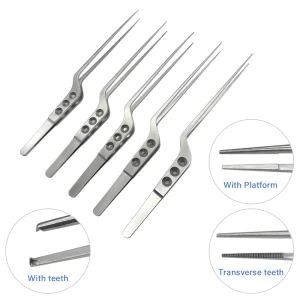
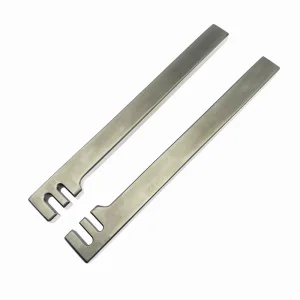
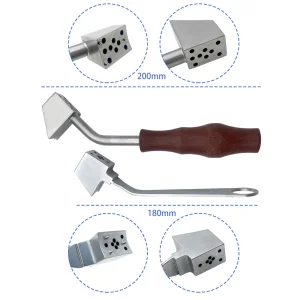
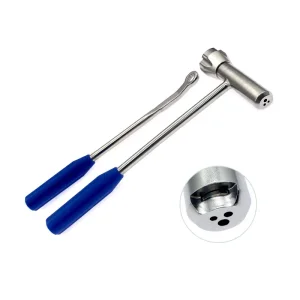
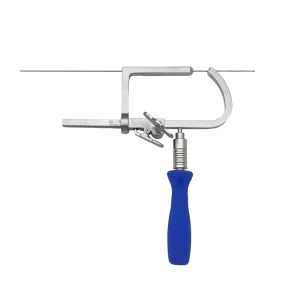
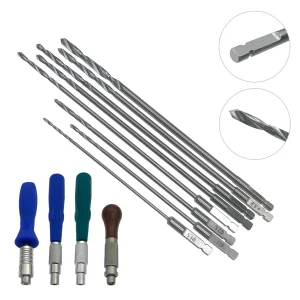
In modern orthopedic medicine, the performance of orthopedic traction equipment and corresponding surgical instruments correlates directly with patient safety, procedural efficiency, and surgical outcomes. As hospitals and veterinary clinics upgrade their infrastructures to support minimally invasive interventions and complex reconstruction procedures, the demand for customizable, high-precision, and regulatory-compliant traction devices has escalated. Global brand business owners, medical device wholesalers, and clinical procurement agents face the dual challenge of source reliability and cost efficiency.
This industry report acts as a technical blueprint for the sourcing of custom OEM orthopedic traction apparatuses. We examine the core mechanical demands, materials technologies (specifically focusing on medical-grade stainless steel and titanium processing), supply chain advantages of Chinese precision manufacturers, and the regulatory frameworks governing this global sector.
Complete traceability of raw materials from mill run to sterile packing ensures zero-defect structural integrity for spinal and skeletal traction setups.
Seamless execution of OEM demands through 3D graphic rendering, rapid 3D printing of metal prototypes, and bespoke tool path programming.
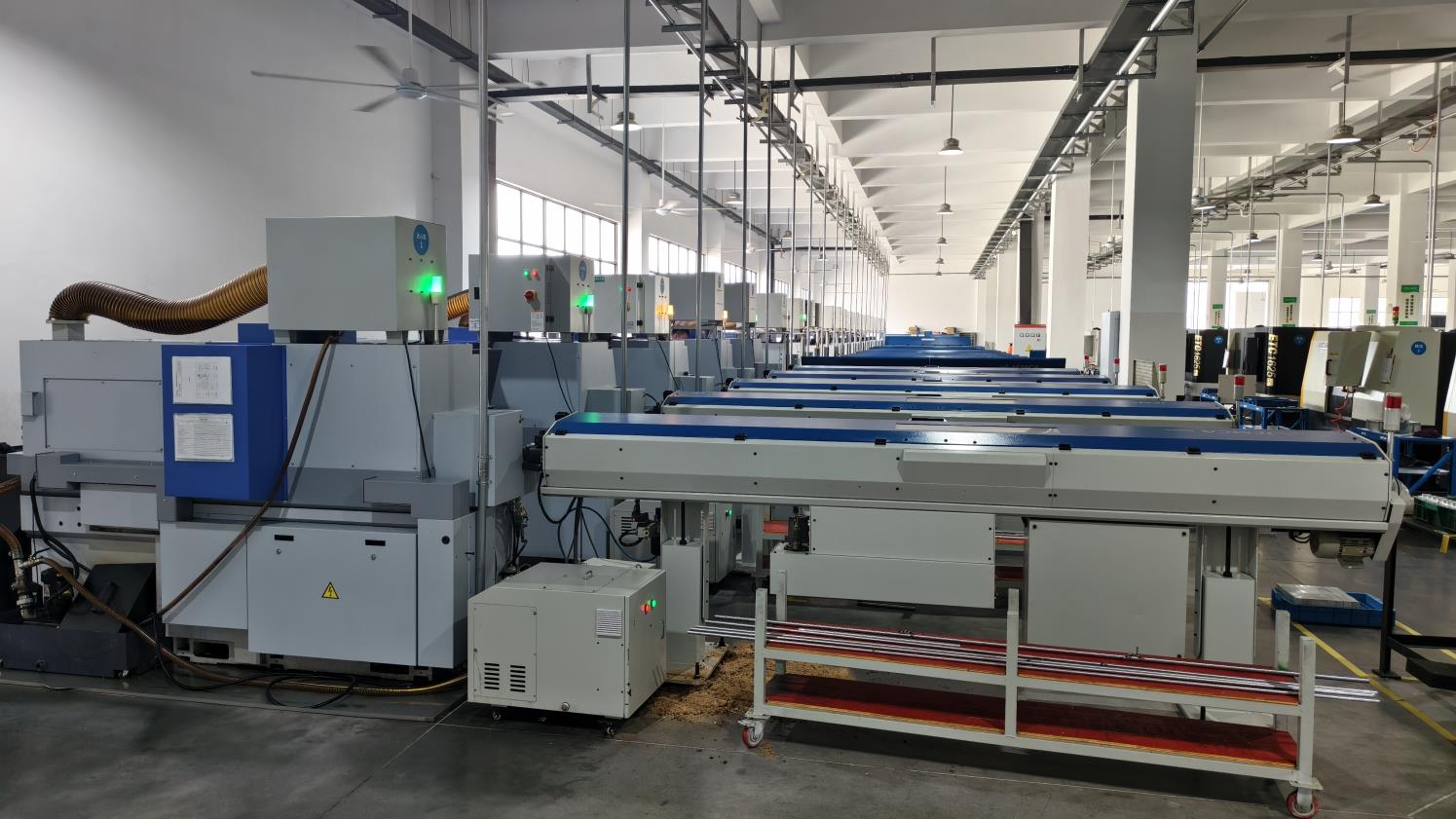
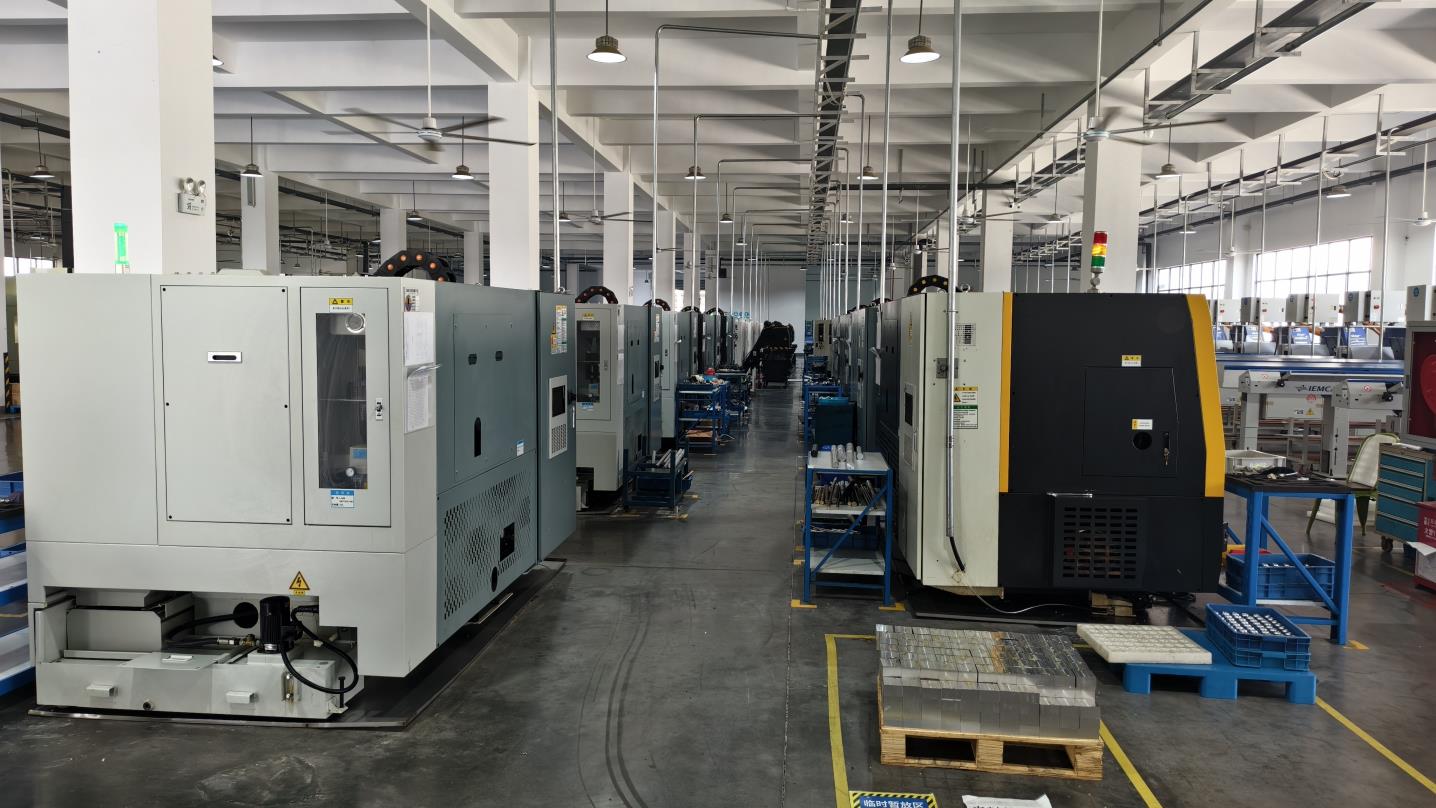
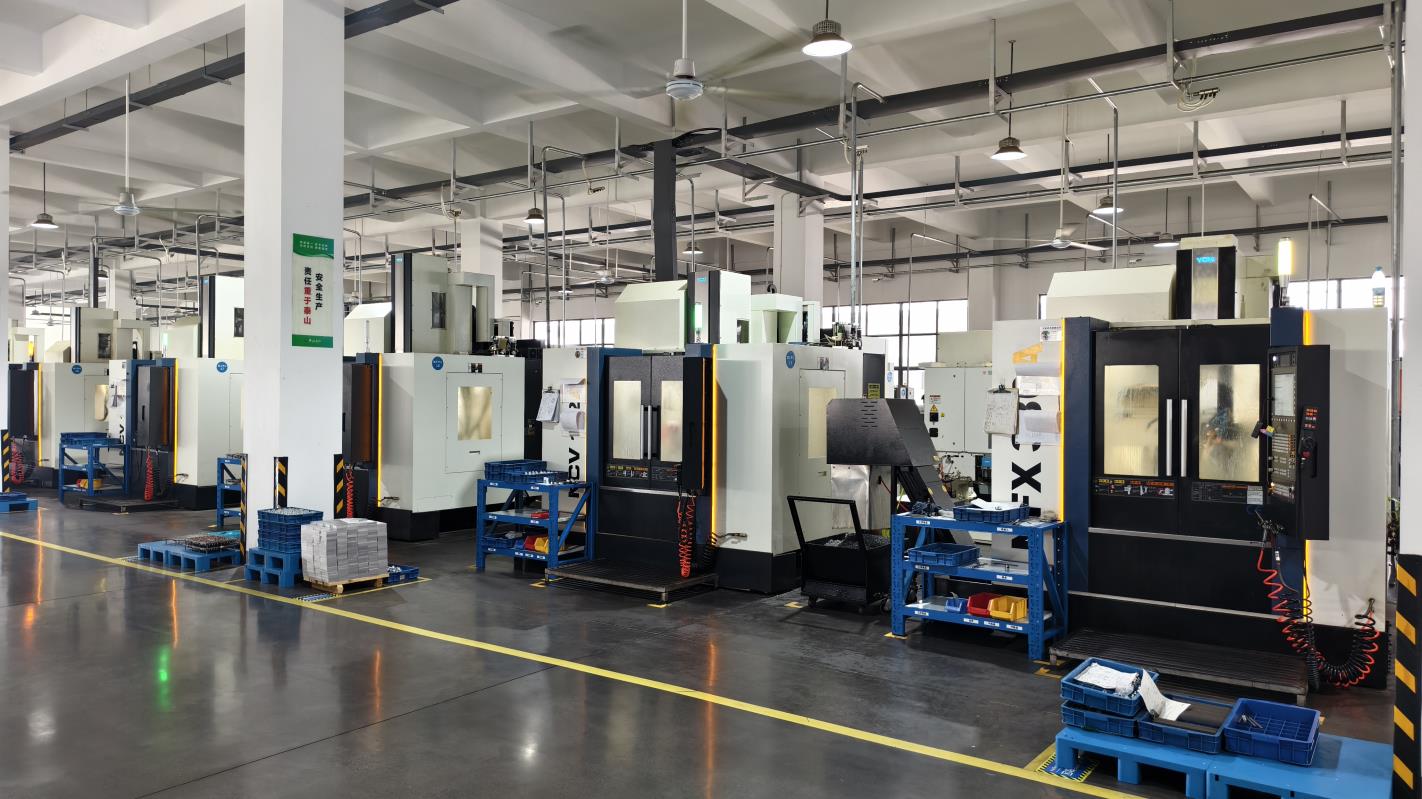
Leveraging a robust raw material supply chain and high-speed CNC machining arrays to slash production timelines by up to 35%.
Factory Registered
Global Export History
Dedicated QA/QC Specialists
Raw Material Traceability
Orthopedic traction relies on tension, counter-traction, and alignment forces to reduce fractures, correct deformities, and stabilize spinal injuries. From a biomechanical perspective, the instruments and brackets holding pins, wires, or skeletal frames must tolerate sustained static loads without plastic deformation. Our manufacturing processes utilize premium surgical alloys that maintain structural integrity under extreme tension.
Medical-grade stainless steel (commonly ASTM F138 316LVM vacuum arc remelted) is the standard for reusable instruments like retractors, bone plate benders, and traction clamps. The addition of molybdenum improves resistance to pitting corrosion in chloride-rich biological environments, while the low-carbon composition ensures the instrument does not sensitize during repeated autoclave sterilization cycles (class B steam, 134°C).
For applications where weight and magnetic interference are critical parameters—such as cranial halo traction frames or intramedullary guides—we employ Grade 5 Titanium (Ti-6Al-4V ELI). Titanium provides an unmatched strength-to-weight ratio and is completely MRI-compatible, allowing postoperative imaging without image distortions (artifacts).
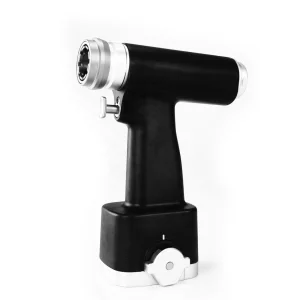
Our OEM manufacturing protocols enforce linear tolerances as strict as ±0.01mm. This precision ensures that quick-coupling mechanisms (such as AO quick couplings) interface seamlessly with power drills and reamer shafts. Guide instruments, including sports medicine meniscus guides and patellar aligners, feature smooth inner walls. This prevents guide wire friction from shedding micro-metallic particulate into the surgical site, minimizing the risk of postoperative osteolysis or aseptic inflammation.
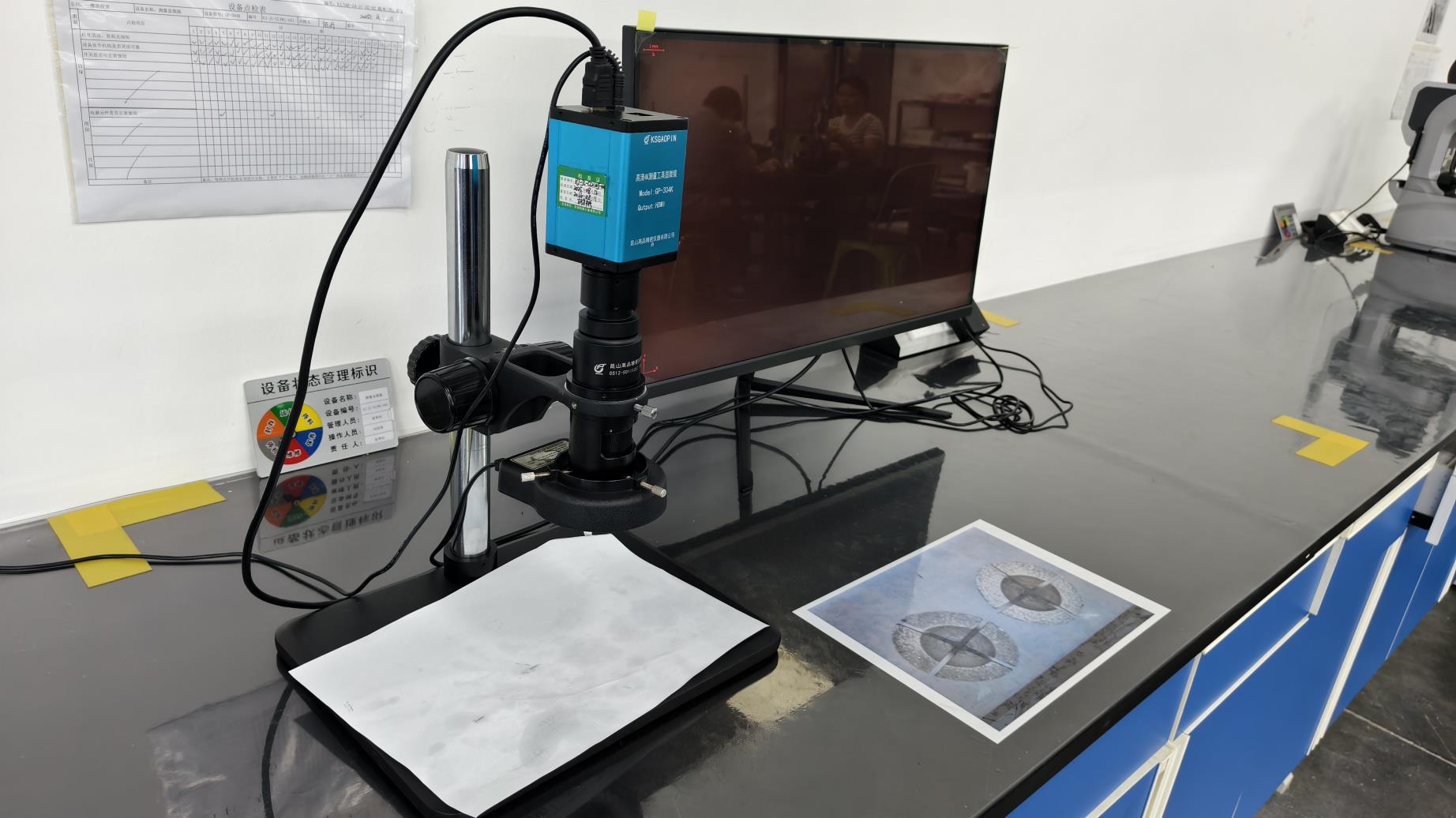
Inside our modern facility: Cleanroom assembly, multi-axis CNC machining, structural testing, and professional packaging protocols.
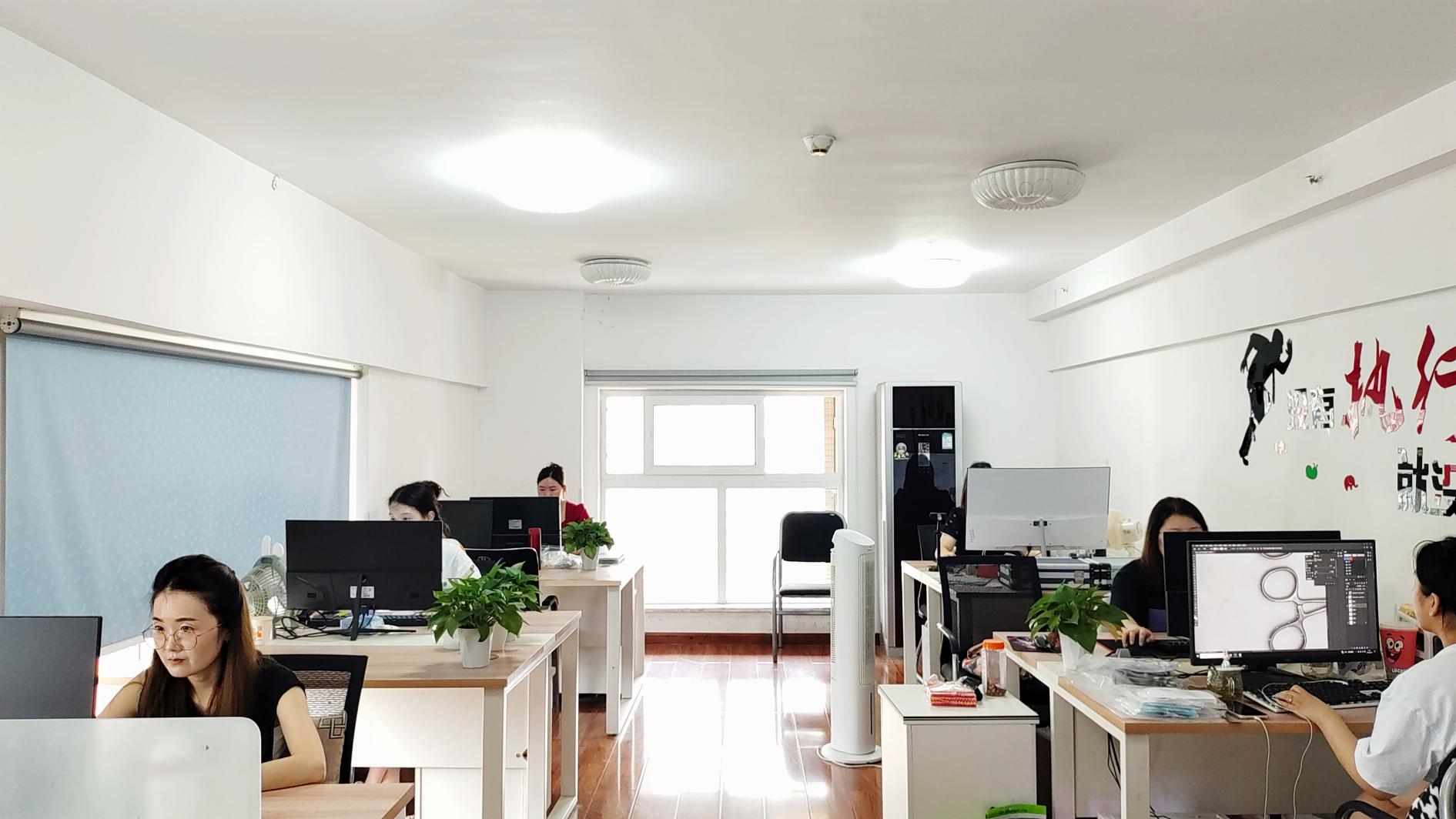
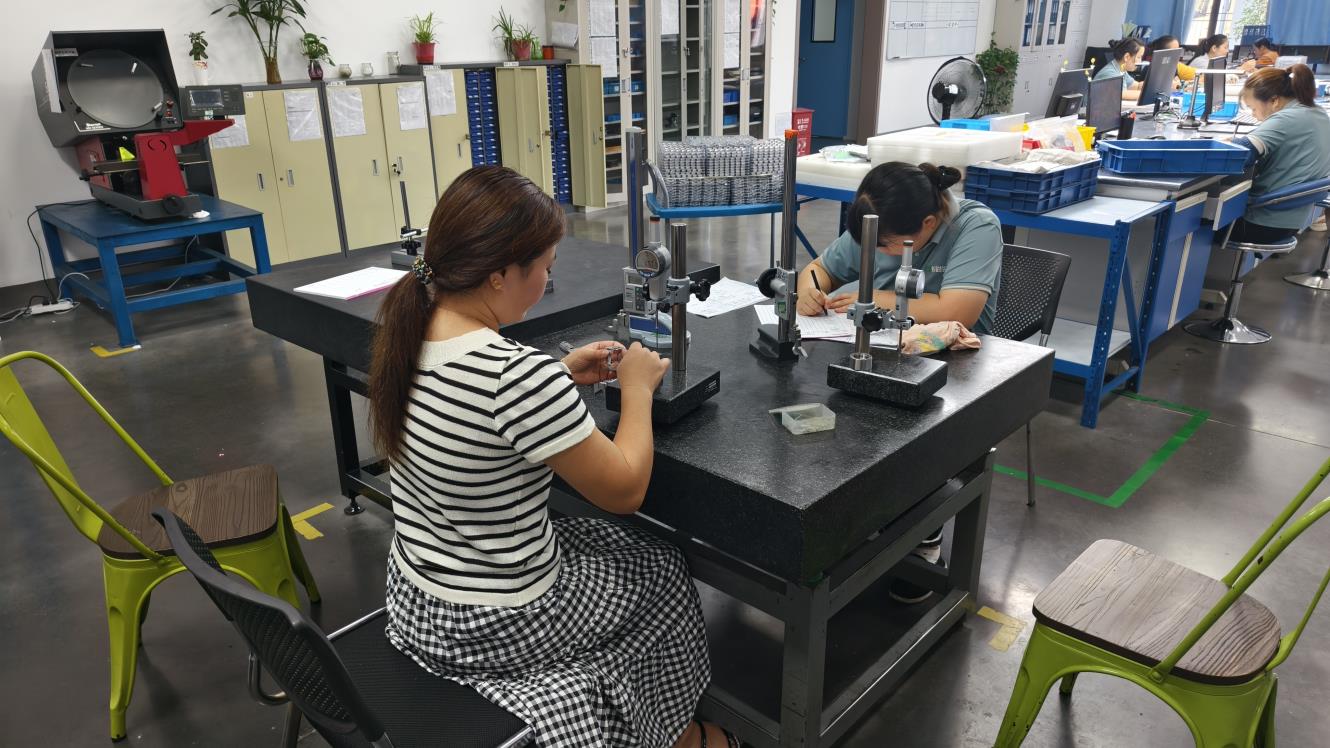
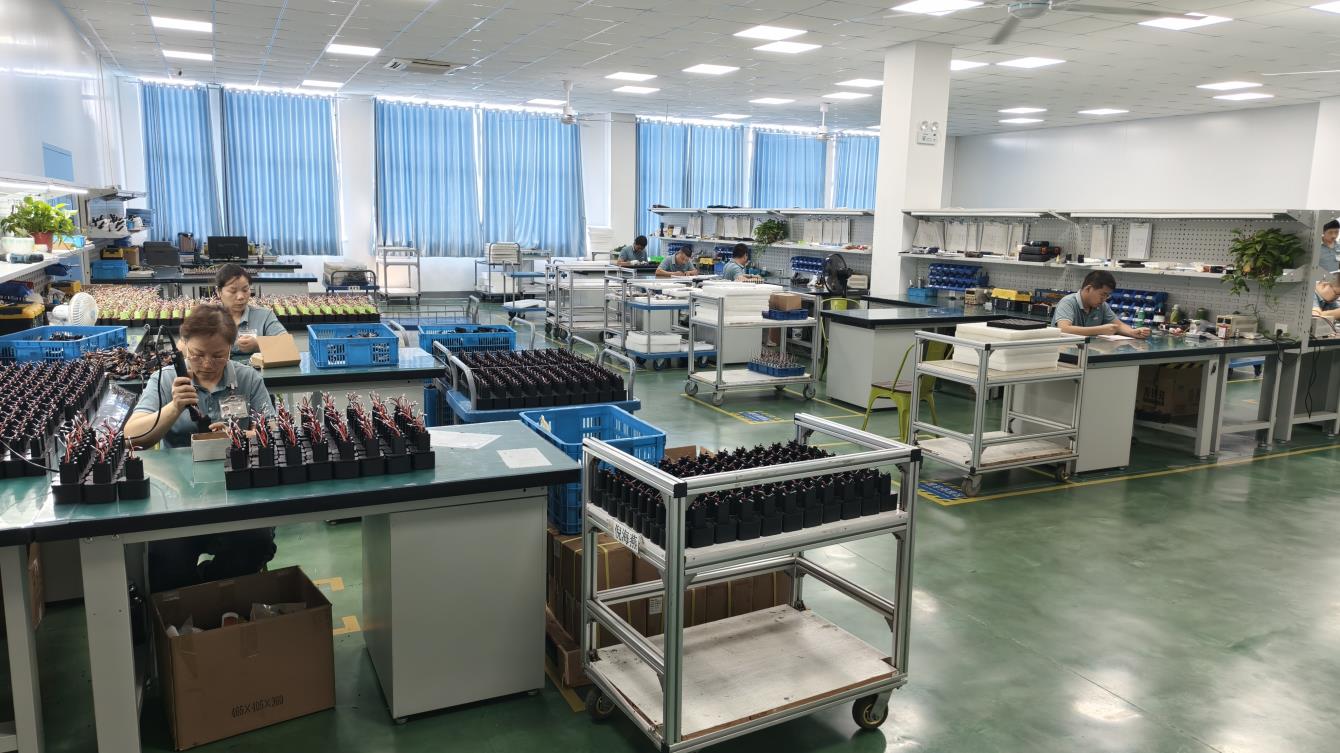
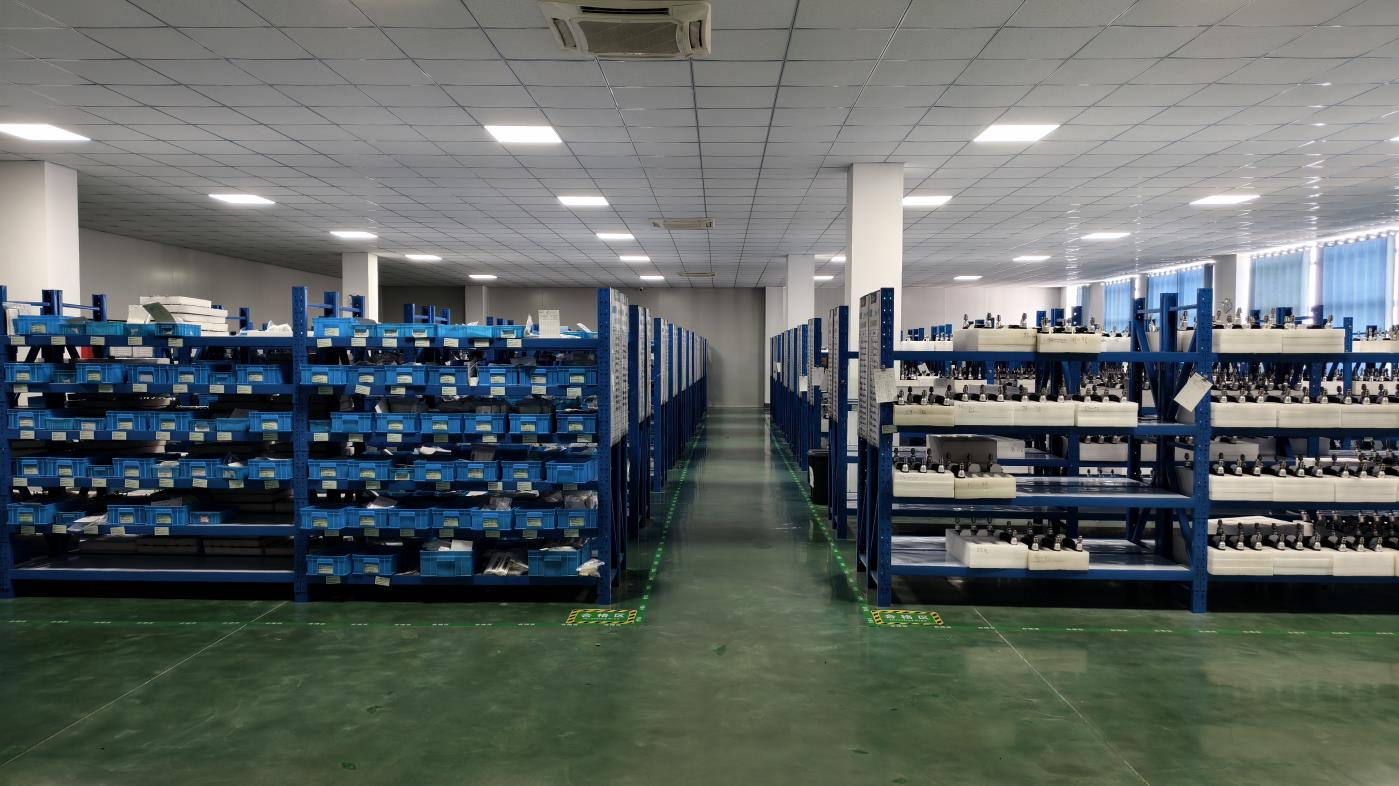
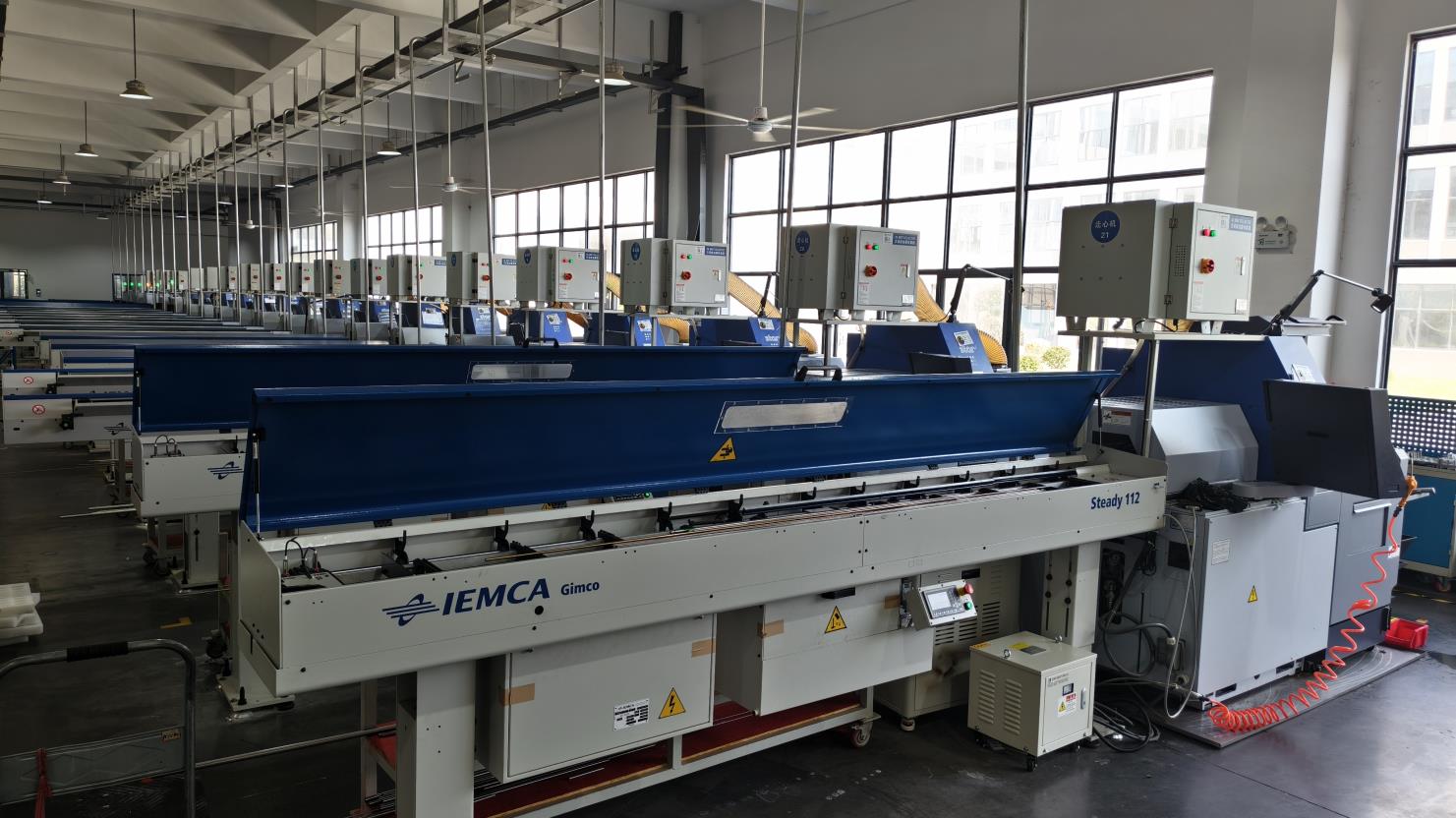
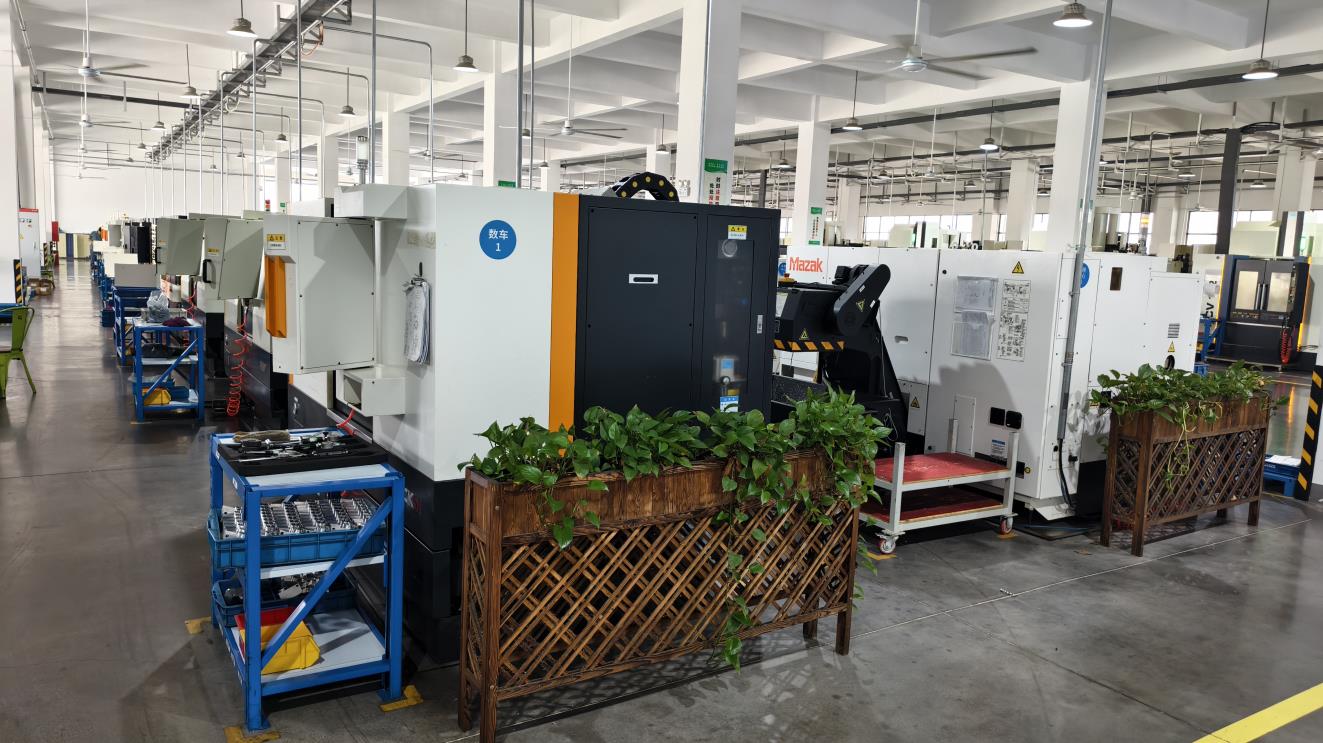
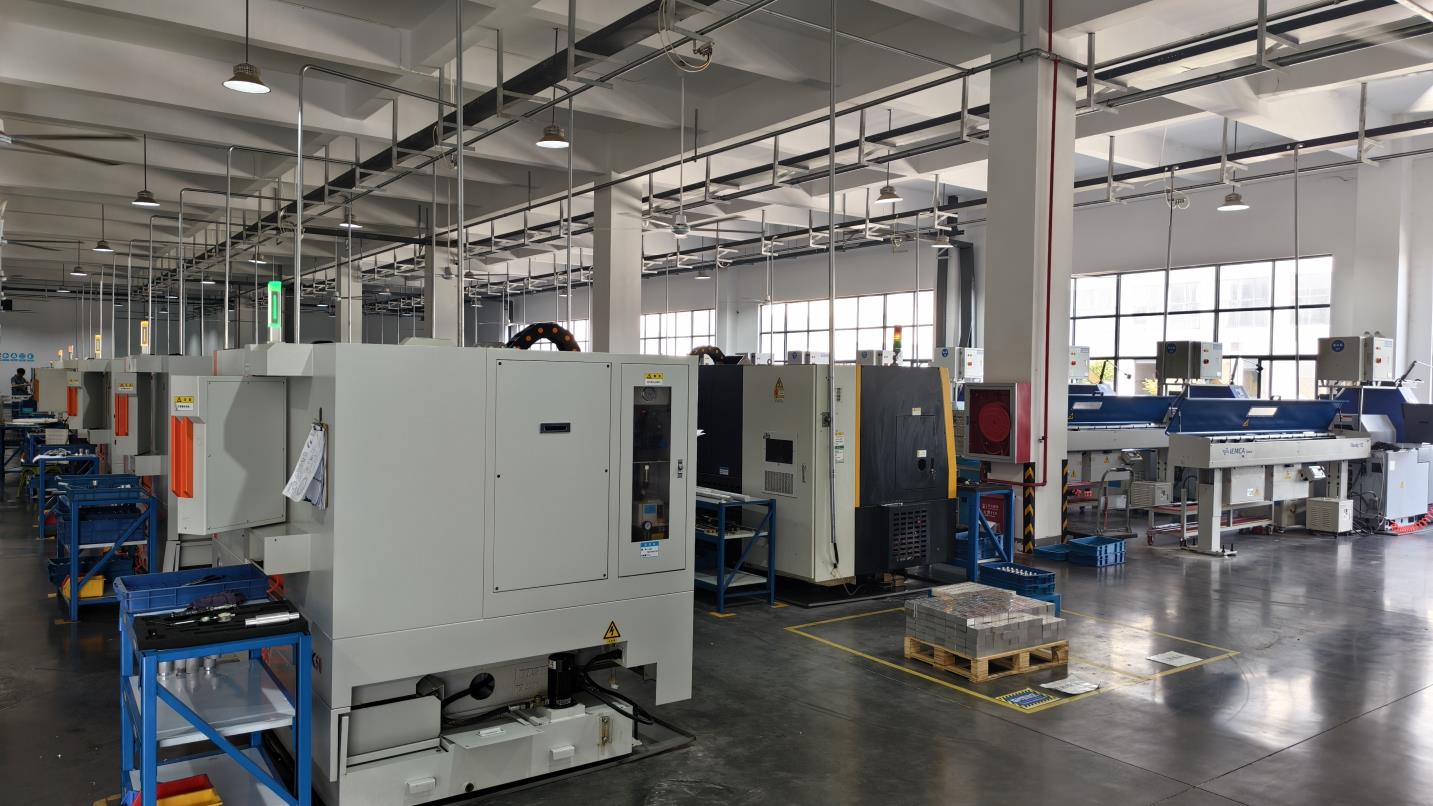
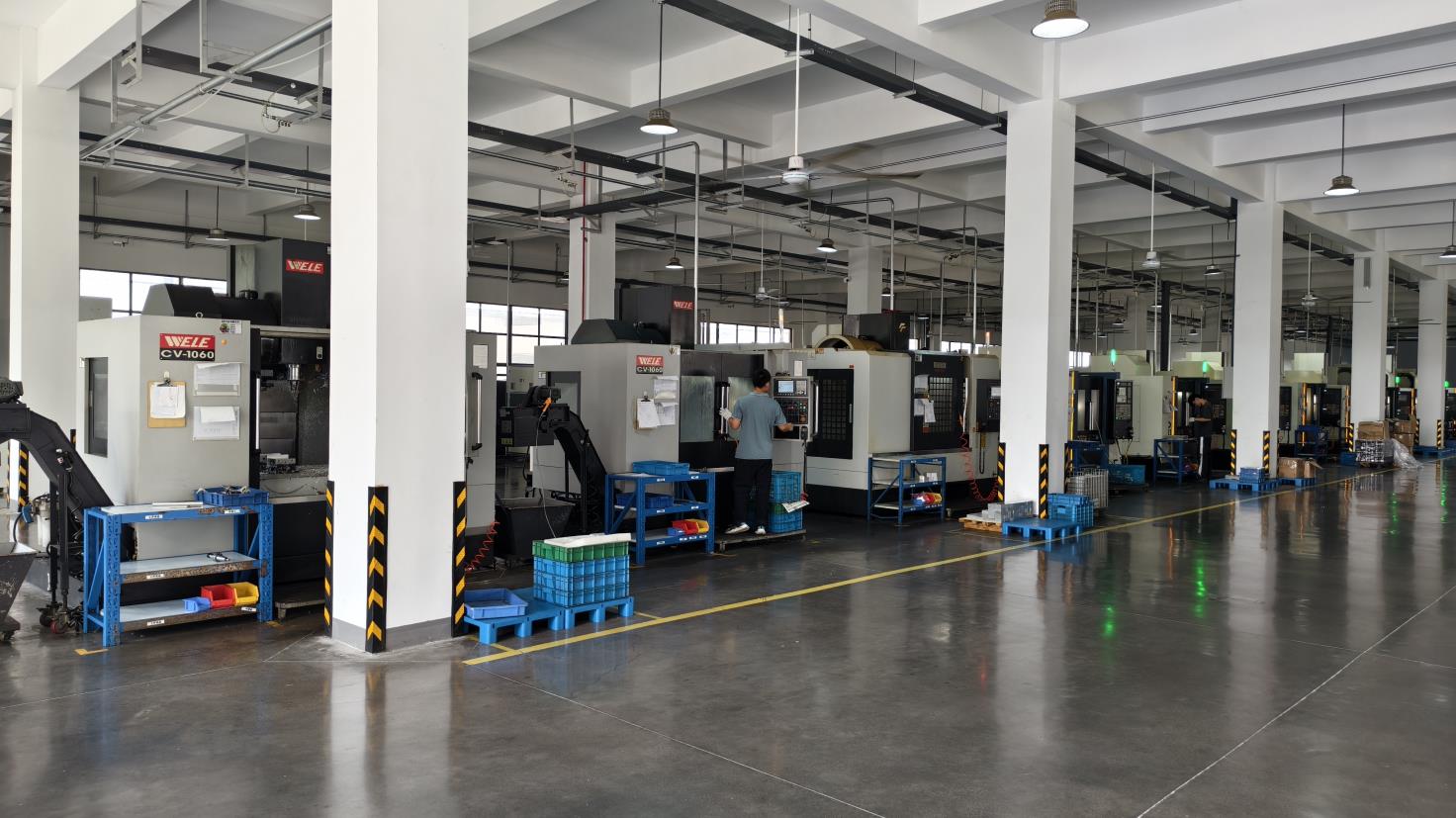
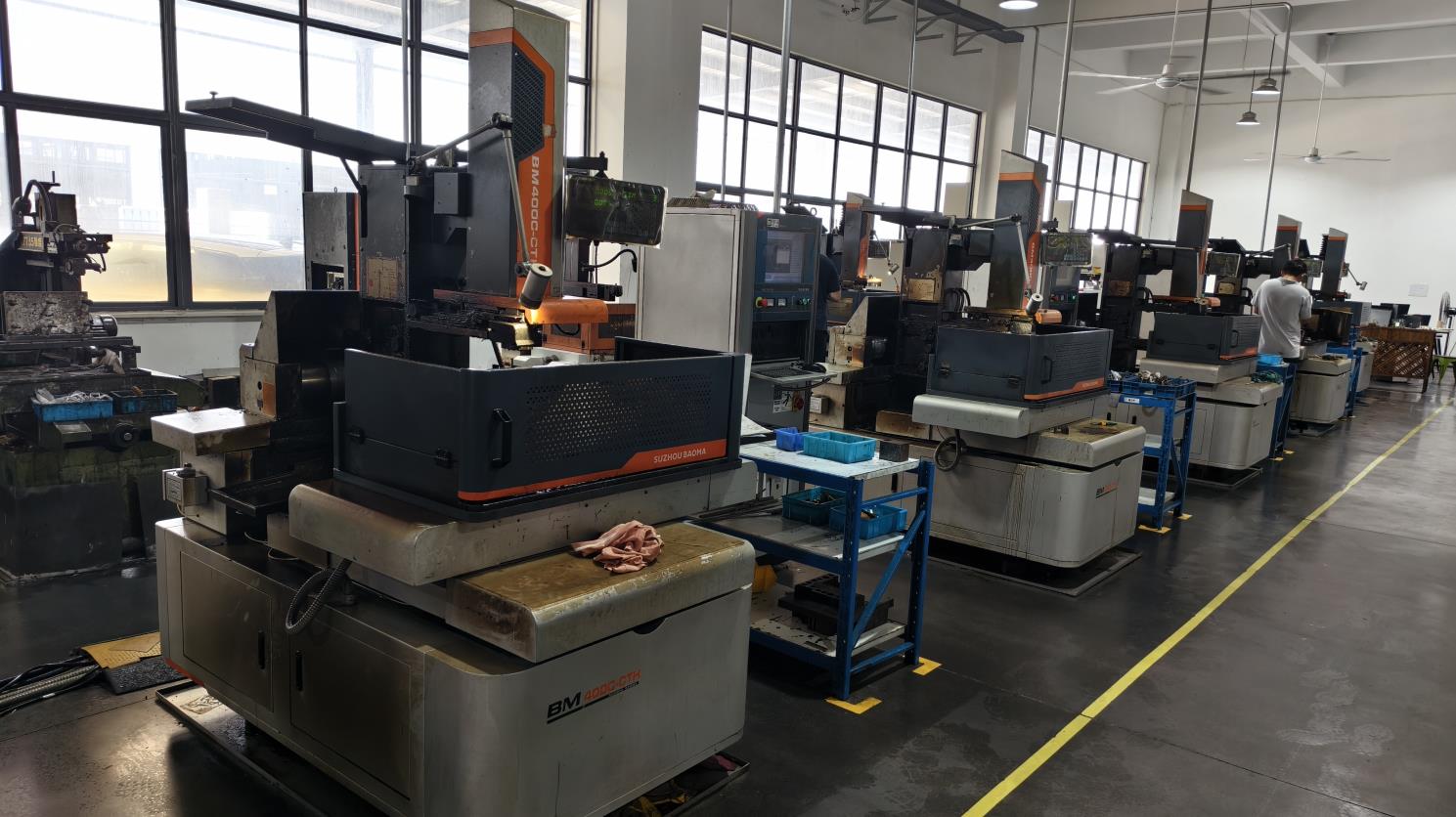
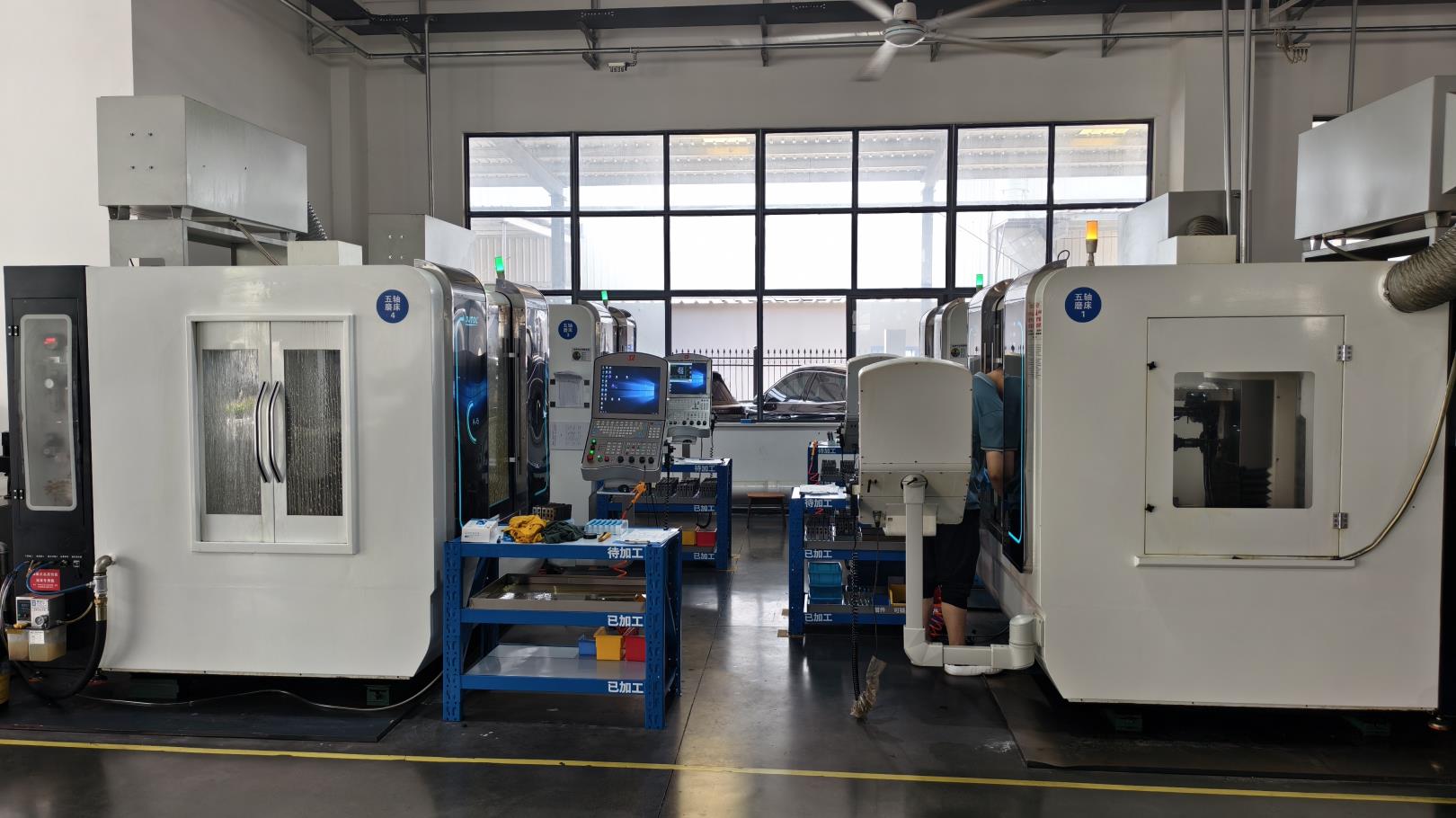
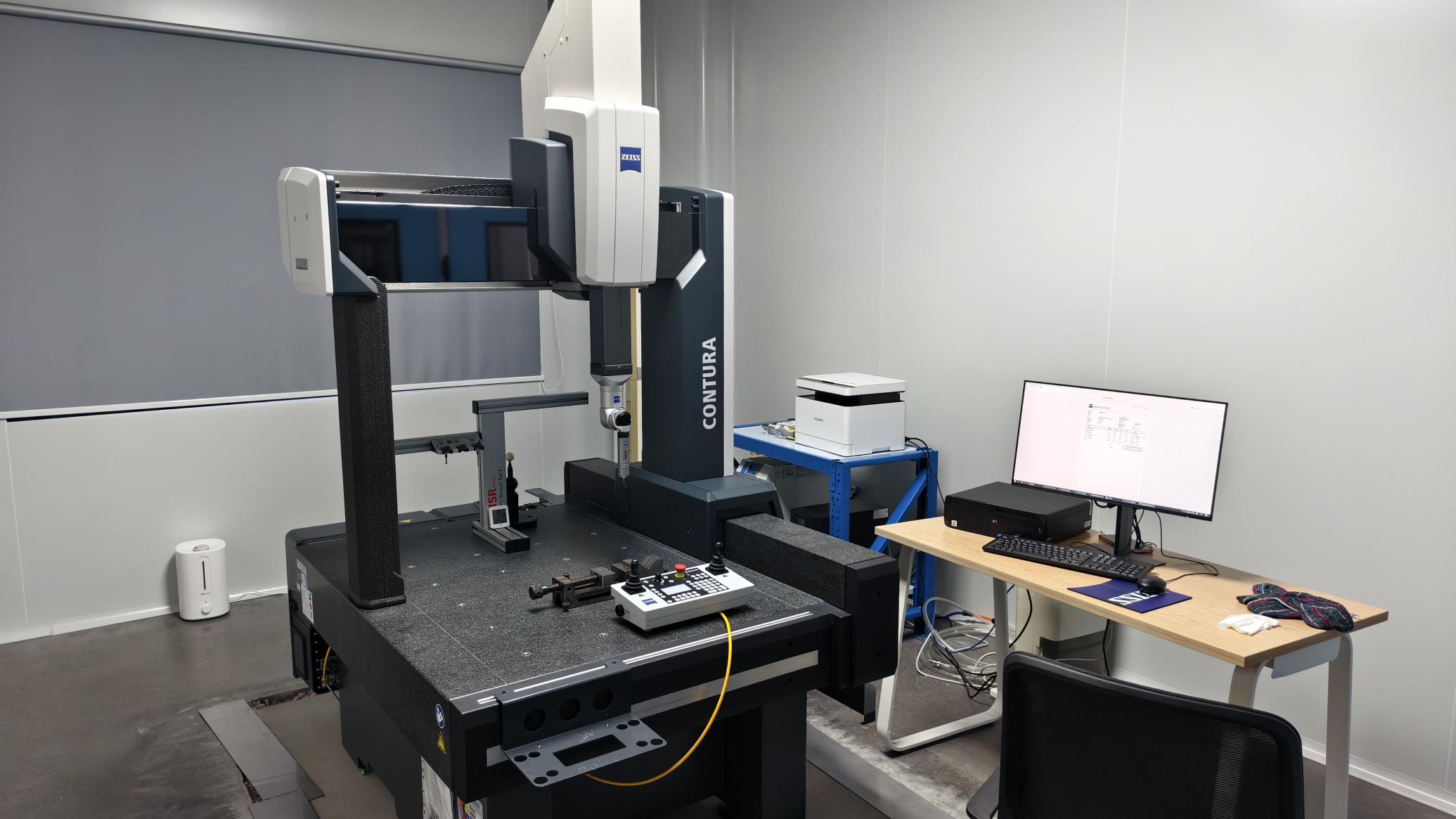
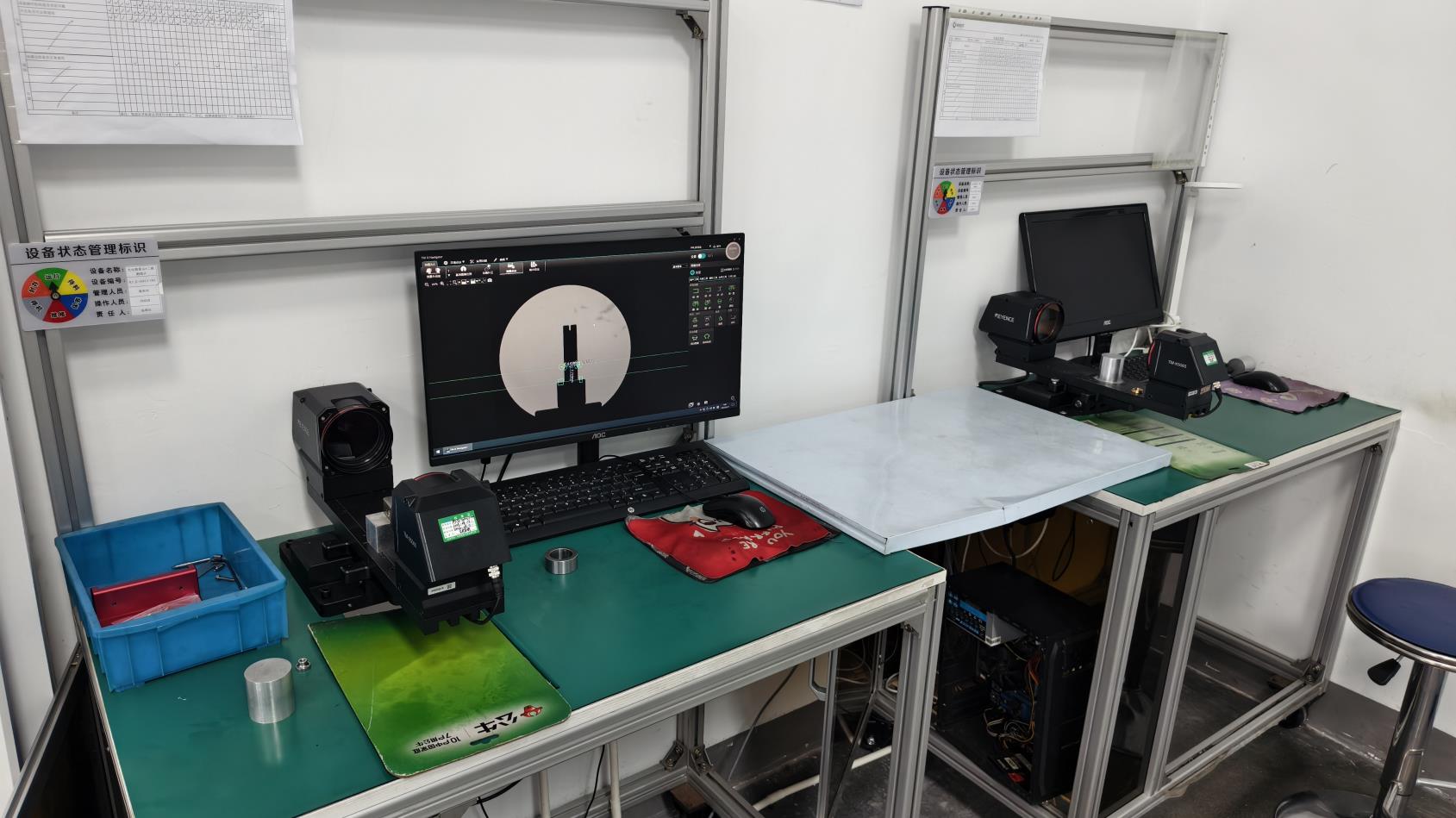
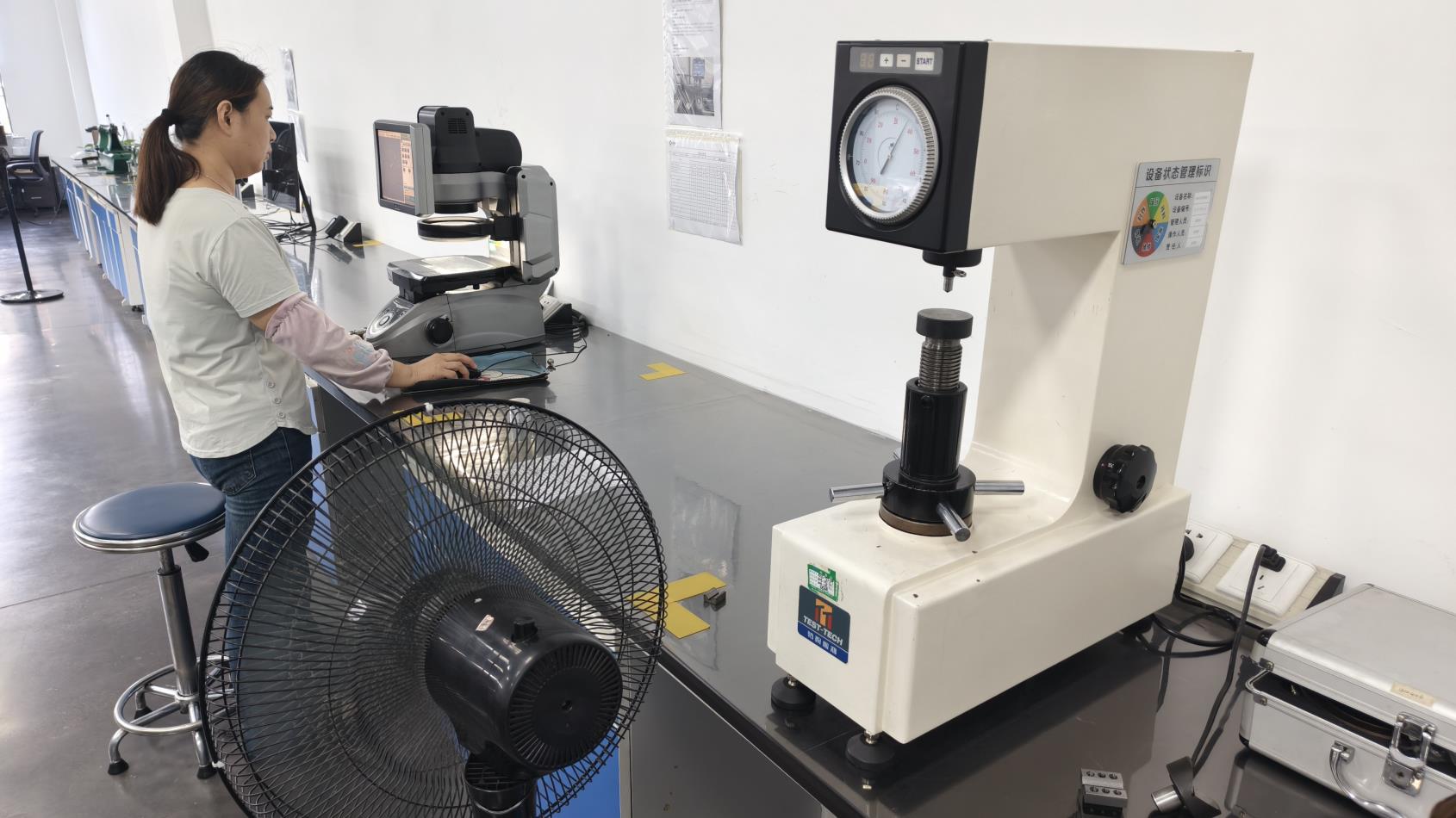
In medical manufacturing, regulatory compliance is as critical as physical quality. When importing orthopedic devices from China, global procurement teams must audit quality systems to prevent port-of-entry delays and product recalls.
A reputable OEM factory must align its operations with international quality standards. The foundation of this process is ISO 13485, which dictates rigorous document control and material traceability systems. This ensures that every component—from bone AO coupling handles to spinal rod cutters—can be traced back to its original raw material heat lot.
For North American markets (representing 25% of our export volume), Class I surgical instruments require registration under FDA 21 CFR Part 820 quality system guidelines. European markets, by contrast, demand compliance with the European Medical Device Regulation (MDR 2017/745), requiring detailed clinical evaluations and unique device identification (UDI) tracking.
Sourcing from China offers distinct supply chain advantages. Industrial clusters in Jiangsu, Zhejiang, and Guangdong provide immediate access to high-purity medical steels, specialized heat treatments, and chemical passivation subcontractors. This integrated network helps mitigate tariff shocks and global freight volatility. Additionally, consolidating design, CNC milling, electrochemical polishing, and laser marking in one region reduces development times compared to fragmented western supply chains.
We confirm chemical configurations via optical emission spectrometry (OES) before manufacturing. All mill sheets are kept on file for at least 10 years.
Our citric or nitric acid passivation processes meet ASTM A967 standards, removing free iron from surfaces to optimize corrosion resistance during steam autoclaving.
We provide comprehensive documentation—including compliance statements, material certifications, and biocompatibility profiles—to facilitate global customs clearance and local registration processes.
The orthopedic field is evolving beyond manual instrumentation. Major technology shifts are reshaping how surgeons approach bone alignment and how manufacturers design orthopedic products.
Traditionally, steel traction components obstructed intraoperative X-rays and C-arm fluoroscopy. The industry is transitionally shifting toward carbon-fiber-reinforced polymers (PEEK) and radiolucent composites for structural frames. This allows orthopedic surgeons to monitor real-time bone reduction without losing visibility. Our engineering team assists OEM partners in co-developing hybrid carbon-metal assemblies that combine strength with X-ray transparency.
Veterinary orthopedics (incorporating pet surgical instruments and bone plate benders) is one of the fastest-growing surgical fields worldwide. Canine and feline anatomy presents unique biomechanical challenges, requiring miniature retractors, fine-thread cannulated screws, and compact Kirschner wire guides. Standard human-scale instrumentation is often too large, necessitating dedicated production lines for veterinary-grade orthopedic tools.
Critical inquiries regarding custom OEM orthopedic manufacturing, lead times, materials certifications, and regulatory support.
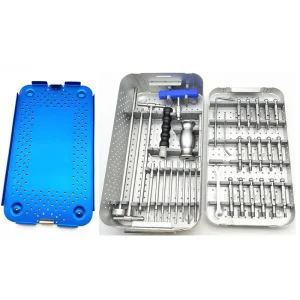
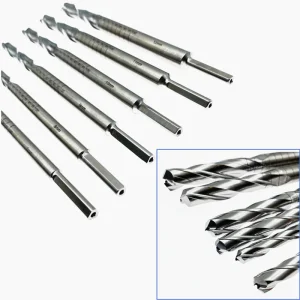
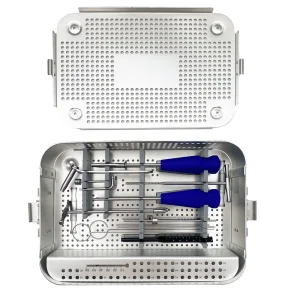
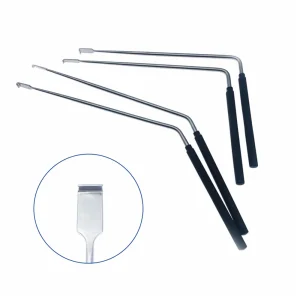
Explore our highly durable bone extractors, reamers, and surgical kits designed for challenging trauma repairs.